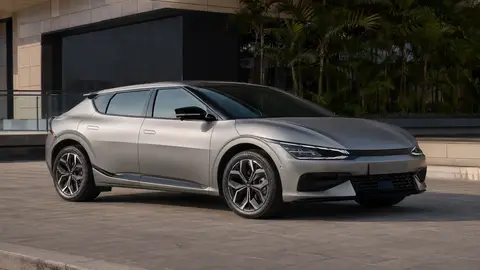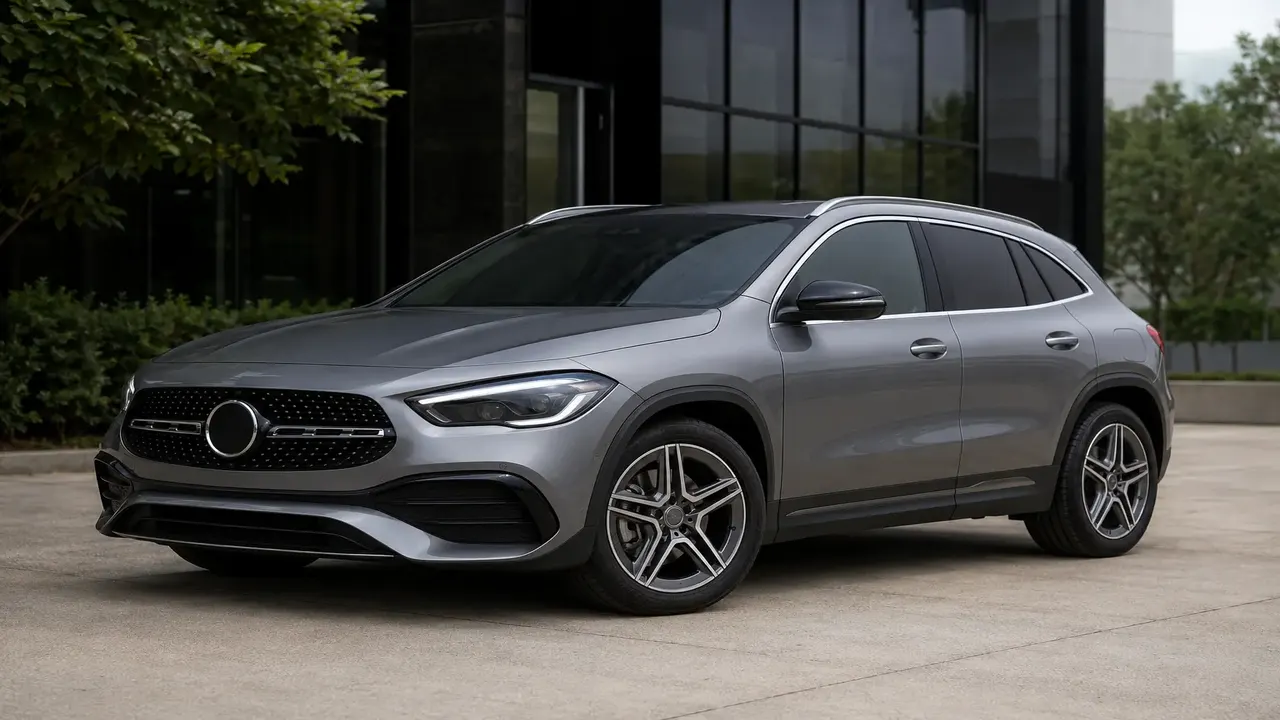
The 2021-2022 semiconductor shortage cost the global auto industry an estimated tens of billions of dollars in lost production and roughly 10 million+ vehicles in unbuilt units at its peak, according to industry analyst estimates. Automotive chip lead times have since normalized to 8-12 weeks from a peak of 40+ weeks, but the crisis permanently changed industry behavior: automakers now hold larger chip buffer inventories, design vehicles to use fewer unique chip variants, and in several cases have signed direct long-term supply agreements with chipmakers instead of relying solely on tier-one parts suppliers.
At a glance
| Metric | Figure |
|---|---|
| Estimated global production lost (peak shortage) | 10 million+ vehicles |
| Estimated industry revenue impact | Tens of billions of dollars |
| Peak chip lead times | 40+ weeks |
| 2026 chip lead times | 8-12 weeks |
| Key structural change | Direct automaker-to-chipmaker supply deals |
What actually caused the shortage
The shortage stemmed from a mix of factors compounding at once: automakers cut chip orders early in the COVID-19 pandemic expecting a sales slump, chip foundries reallocated that freed capacity to consumer electronics as demand for laptops and gaming devices spiked, and automakers found themselves at the back of the line when vehicle demand rebounded faster than expected. Automotive-grade chips also require longer qualification processes than consumer electronics, making it harder to quickly redirect capacity back once the mistake became clear.
What automakers changed permanently
- Larger buffer inventories for critical chips, even at higher carrying cost, to avoid getting caught short again.
- Standardizing on fewer chip variants across model lineups to simplify sourcing and increase order volume leverage per part.
- Direct supply agreements with chip foundries, bypassing the traditional tier-one supplier layer for the most critical components.
- Greater visibility requirements into sub-supplier chip sourcing, not just first-tier parts suppliers.
Why this mattered beyond just chips
The shortage exposed how little visibility automakers historically had into their own multi-tier supply chains — many didn't know which specific chip suppliers their tier-one and tier-two parts vendors relied on until the crisis forced an audit. That transparency gap has since narrowed considerably, with most major automakers now mapping critical component sourcing several tiers deep.
How the lessons apply to today's battery and rare-earth risks
The same playbook — buffer inventory, supplier diversification, direct sourcing agreements, deeper supply-chain visibility — is now being applied to battery raw materials and rare-earth magnets, the current generation of supply chain risk. Automakers that moved fastest on chip lessons have generally been the same ones moving fastest to lock in battery material supply deals.
Lingering effects buyers still notice
- Some lower trims still ship with reduced feature sets in specific markets due to lingering chip allocation choices.
- A handful of models permanently dropped certain low-demand options that weren't worth the chip allocation during the crisis.
- Feature rollouts for some ADAS options remain more conservative than pre-shortage plans as a hedge against future disruption.
If a specific option or feature seems to have quietly disappeared from a model's configurator in the past few years, a lingering chip-allocation decision from the shortage era is a common, overlooked reason.
The lasting takeaway
The chip shortage's biggest legacy isn't the chips themselves — it's the structural shift toward automakers treating supply chain risk as a strategic priority rather than a background operational detail, a mindset now shaping how the industry handles battery materials, rare earths and tariff exposure.
Frequently asked questions
Is the semiconductor shortage still affecting new cars in 2026?
How much did the chip shortage cost the auto industry?
What structural changes came out of the chip shortage?
Are the same supply chain risks happening with EV batteries now?
Sources & further reading
- AlixPartners — Global Semiconductor Shortage Industry Impact Analysis
- U.S. Department of Commerce — Semiconductor Supply Chain Report
Figures, prices and policy details were current at the last-updated date above. Automotive pricing, incentives and regulations change frequently — verify time-sensitive details with the linked primary sources. Read our editorial policy and fact-checking standards.