Average vehicle weight has risen steadily over the past decade — driven by EV battery packs, larger SUVs, and added safety/technology equipment — and heavier vehicles combined with the instant torque of electric and hybrid powertrains are accelerating tyre wear industry-wide, according to tyre-industry cost trackers. Brakes are the exception: regenerative braking on EVs and hybrids meaningfully extends pad and rotor life, partly offsetting the faster tyre wear in the total running-cost picture.
At a glance
| Component | 2026 trend |
|---|---|
| Tyre wear rate | Faster than a decade ago, especially on EVs and heavier SUVs |
| Tyre prices | Rising, with EV-specific and larger-diameter tyres often costing more |
| Brake pad/rotor life | Longer on EVs and hybrids due to regenerative braking |
| Average vehicle weight | Rising steadily across most segments |
Why tyres are wearing out faster
Three trends are compounding to shorten tyre life across much of the fleet: rising average vehicle weight (batteries in EVs, bigger frames and more equipment in gas SUVs), higher instant torque from electric and hybrid powertrains that stresses tread under acceleration, and a broader shift toward larger wheel diameters with lower-profile tyres, which tend to wear faster and cost more to replace than smaller, higher-sidewall tyres.
The EV-specific angle
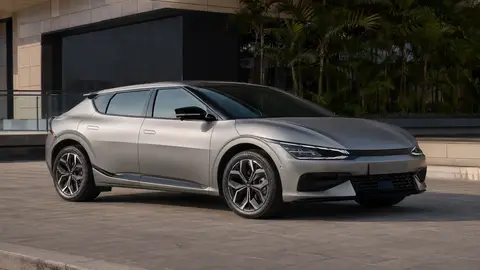
EVs combine two of these factors directly — meaningfully more weight than a comparable gas model, plus instant torque delivered the moment the accelerator is pressed. Several tyre manufacturers now sell EV-specific tyres engineered for higher load ratings and lower rolling resistance, and while they're built to handle the extra stress, they also tend to cost more per tyre than a standard equivalent, and many EV owners still report needing replacements somewhat sooner than they expected.
Brakes: the trend running the other way
Regenerative braking — using the electric motor to slow the vehicle and recapture energy — significantly reduces reliance on the mechanical friction brakes for everyday slowing, which is the single biggest factor in brake wear. The result is a well-documented, consistent finding: EVs and hybrids typically go much longer between brake pad and rotor replacements than a comparable gas vehicle, partially offsetting their faster tyre wear in the total running-cost picture.
What drivers can do about it
- Rotate tyres on the manufacturer's recommended schedule — uneven wear compounds quickly on high-torque vehicles.
- Keep tyres properly inflated; under-inflation is one of the most common, most preventable causes of premature wear.
- Moderate aggressive acceleration where possible, since it's one of the biggest controllable factors in tyre wear on high-torque vehicles.
- Budget for tyre replacement as a real, recurring EV running cost rather than assuming it will match a gas car's typical interval.
Some EV owners are caught off guard by a full tyre replacement well before the mileage they expected from a gas car — build tyre wear into your EV running-cost budget rather than treating it as a rare, occasional expense.
The bigger picture
None of this changes the overall running-cost comparison dramatically — EVs and hybrids still generally cost less to maintain overall thanks to skipped engine service and longer brake life — but it's a good example of how a single 'EVs are cheaper to run' headline oversimplifies a picture that has several moving, partly offsetting parts.
Frequently asked questions
Do EVs really go through tyres faster than gas cars?
Why do EVs need brake service less often?
Are EV-specific tyres worth the extra cost?
Does heavier vehicle weight affect more than just tyres?
Sources & further reading
- U.S. Tire Manufacturers Association — tyre/tire industry data
- National Highway Traffic Safety Administration — tire safety and wear guidance
Figures, prices and policy details were current at the last-updated date above. Automotive pricing, incentives and regulations change frequently — verify time-sensitive details with the linked primary sources. Read our editorial policy and fact-checking standards.