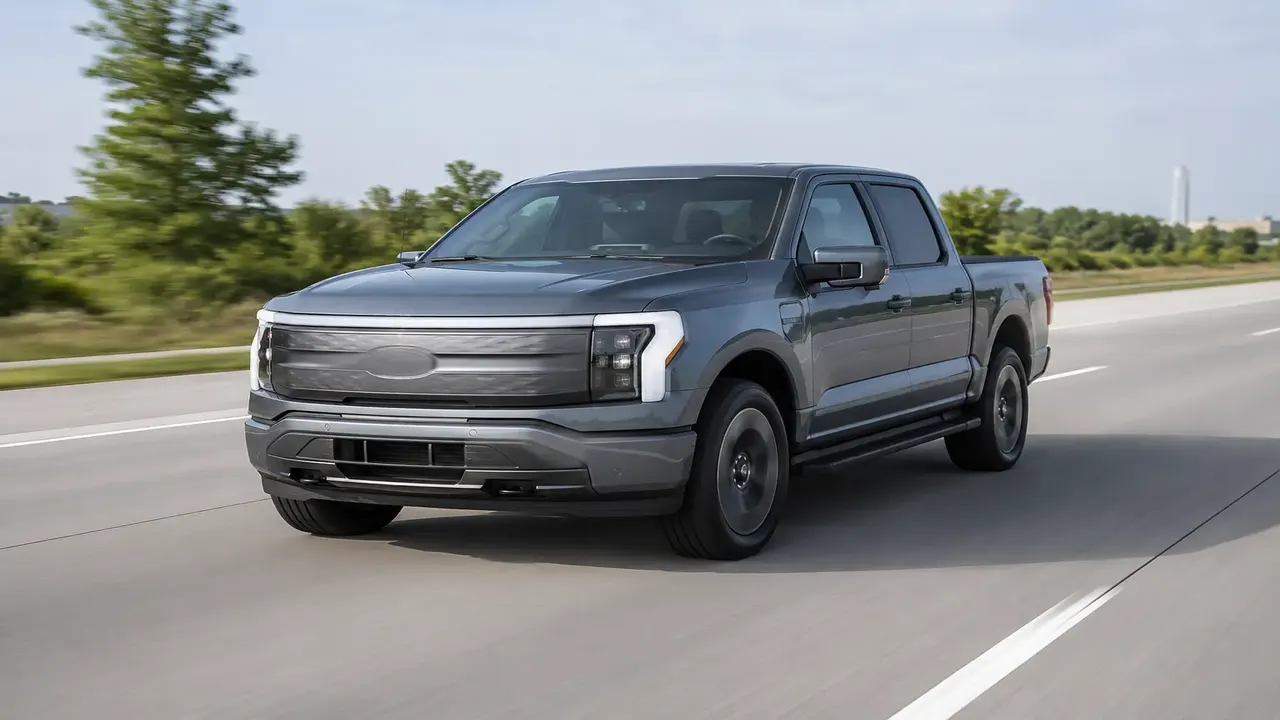
The US Department of Transportation has finalized new fuel-economy rules targeting a 34.9 mpg fleet average by model year 2031, down from the previous 50.4 mpg target. Announced September 28 as the “Freedom Means Affordable Cars” rule, the changes also end inter-automaker credit trading from MY2028. USDOT says compliance costs fall by about $1,289 per vehicle, while Reuters reports lifetime fuel costs rising by more than $1,600.
US fuel-economy rules compared
| Item | Detail |
|---|---|
| 50.4 mpg fleet-average target by MY2031 | 34.9 mpg fleet-average target by MY2031 |
| Higher 2031 fuel-economy target | Lower 2031 fuel-economy target |
| Inter-automaker credit trading remained part of the compliance framework | Inter-automaker credit trading ends from MY2028 |
| Biden-era framework | “Freedom Means Affordable Cars” rule announced September 28 |
What changed in the new US fuel-economy rule?
The headline change is the model-year 2031 fleet-average target. The finalized rule sets that figure at 34.9 mpg, compared with the previous Biden-era target of 50.4 mpg.
USDOT and NHTSA announced the rule on September 28 under the name “Freedom Means Affordable Cars.” It represents a substantial reduction in the fuel-economy level manufacturers are expected to reach across their fleets by MY2031.
The rule also changes how automakers can meet those requirements. Inter-automaker credit trading is set to end from model year 2028. That means the system under which manufacturers can trade compliance credits with one another will no longer continue beyond that point under the finalized framework.
For buyers, those numbers matter because the argument around the rule is fundamentally about two different kinds of cost: what it costs manufacturers to comply when building and selling vehicles, and what drivers may spend on fuel over the life of those vehicles.
Old rule vs new rule at a glance
The table captures the regulatory change itself without resolving the competing claims about its economic effect. USDOT is emphasizing lower compliance costs for vehicles, while Reuters reports higher lifetime fuel costs and higher gasoline consumption under the new rule than under the previous standards.
USDOT says compliance costs fall by $1,289 per vehicle
USDOT says the finalized rules reduce compliance costs by about $1,289 per vehicle.
That figure is central to the administration’s “affordable cars” framing. In practical terms, it represents USDOT’s estimate of how much less it will cost, on average, for vehicles to comply with the new standards compared with the previous regulatory path.
The number is a compliance-cost estimate, not a stated guaranteed reduction in showroom prices. The source material attributes the approximately $1,289 figure specifically to USDOT’s calculation of compliance cost per vehicle.
For buyers trying to understand the change, that distinction matters. A regulatory compliance-cost estimate concerns the cost burden associated with meeting the rule; it is not the same thing as saying every new car will automatically become $1,289 cheaper.
Reuters reports more than $1,600 in extra lifetime fuel cost
Reuters presents the other side of the cost equation. Its September 28 reporting says lifetime fuel costs rise by more than $1,600 under the new rule.
Reuters also reports that US gasoline use through 2050 would be about 4.6% higher than under the Biden-era rules. That figure reflects the effect of a lower fleet-average fuel-economy requirement over time: if the vehicle fleet is allowed to use more fuel per mile than under the previous target, aggregate gasoline demand is projected to be higher.
The two figures are therefore measuring different things. USDOT’s approximately $1,289 figure concerns compliance cost per vehicle. Reuters’ $1,600-plus figure concerns lifetime fuel cost, while its 4.6% estimate concerns national gasoline use through 2050 compared with the previous rules.
Neither number cancels out the other because they do not describe the same category of cost.
What could the rule mean for new-car buyers?
For car buyers, the finalized rule creates a different set of incentives for manufacturers than the previous 50.4 mpg target.
A lower fleet-average requirement means automakers face a less demanding fuel-economy target for MY2031. USDOT says that reduces the cost of complying with the regulation, while Reuters’ reporting indicates that drivers could face higher fuel spending over vehicle lifetimes compared with the previous rule.
The end of inter-automaker credit trading from MY2028 is another structural change. Manufacturers will no longer be able to rely on that mechanism after the cutoff, altering one of the ways companies have managed fleet-level compliance.
What the finalized rule does not establish is a specific price change for any individual make or model. The available figures are fleet-wide regulatory targets and broader cost estimates rather than sticker-price forecasts for particular vehicles.
Why the 34.9 mpg figure matters
The change from 50.4 mpg to 34.9 mpg by MY2031 is the simplest way to understand the scale of the policy shift.
It lowers the fleet-average target by 15.5 mpg compared with the previous standard. Alongside that reduction, credit trading ends from MY2028, changing both the required outcome and part of the mechanism automakers can use to reach compliance.
The cost debate then splits along two measurable lines contained in the September 28 reporting. USDOT says the new approach cuts compliance cost by around $1,289 per vehicle. Reuters says lifetime fuel costs rise by more than $1,600 and gasoline use through 2050 is about 4.6% higher than it would have been under the Biden-era rules.
For shoppers, the useful takeaway is not that one of those numbers automatically determines whether a particular car becomes cheaper or more expensive. It is that the rule lowers the regulatory fuel-economy target while shifting the balance between manufacturer compliance costs and projected fuel consumption.
What should efficiency-minded buyers do in the meantime? Our fuel-economy driving-habits guide and Toyota Prius review are good starting points.
Frequently asked questions
What is the new US fuel-economy target for 2031?
What is the Freedom Means Affordable Cars rule?
When does fuel-economy credit trading end?
Will the new rules make cars cheaper to own?
Sources & further reading
Figures, prices and policy details were current at the last-updated date above. Automotive pricing, incentives and regulations change frequently — verify time-sensitive details with the linked primary sources. Read our editorial policy and fact-checking standards.


