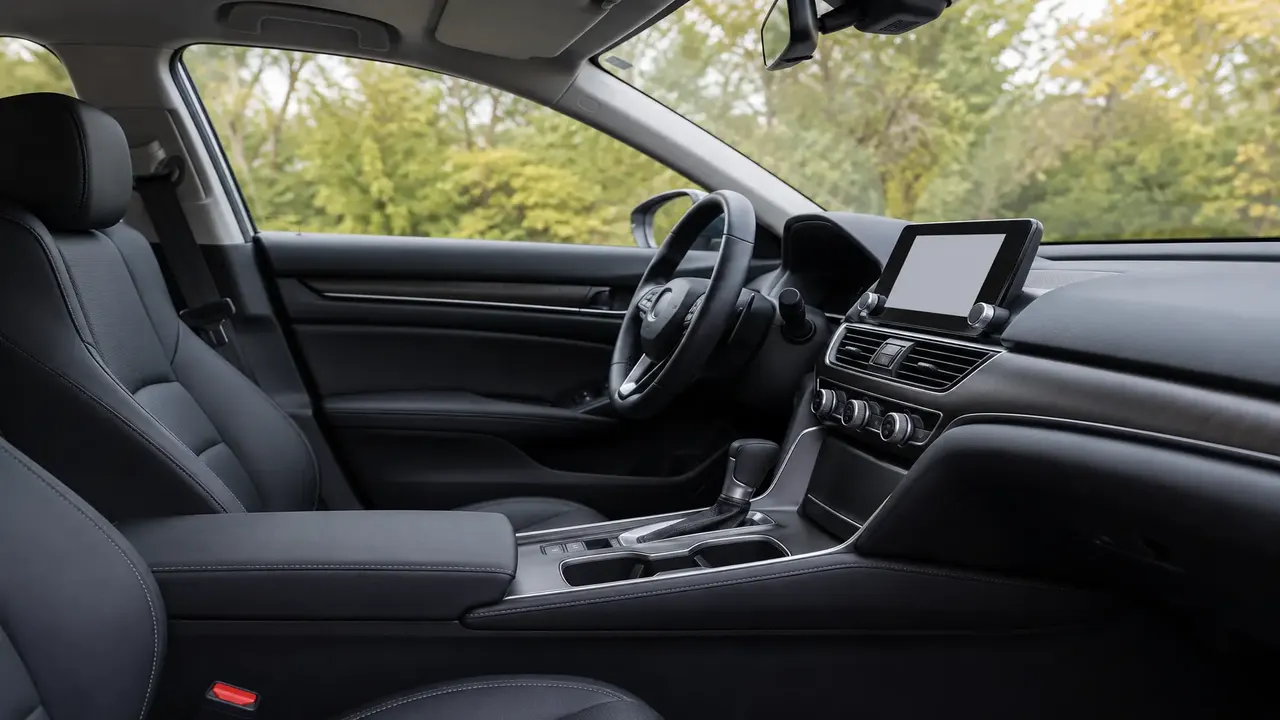
An accessory finder narrows a marketplace's entire catalog to items confirmed compatible with your exact year, make, model and trim (sometimes down to engine size or drive type), then links out to live listings on retailers like Amazon and eBay. It works by matching your vehicle's fitment data against each product's fitment table - the same data auto parts stores use at the counter. Universal items (phone mounts, seat covers) skip this filter; vehicle-specific items (floor liners, roof rails, running boards) live or die by it. Getting the trim and drivetrain right avoids the single most common return reason: wrong fitment.
At a glance
| Input | Why it matters |
|---|---|
| Year, make, model | Narrows body style and chassis generation |
| Trim / engine | Changes bumper shape, wheel size, sensor cutouts |
| Drivetrain (FWD/AWD/4x4) | Affects underbody parts, tow hitches, skid plates |
| VIN (optional) | Most precise match; resolves mid-year running changes |
| Category filter | Interior, exterior, towing, electronics, tyres/wheels |
How fitment matching works
An accessory finder on a retail site is a filtering layer over a fitment database — a table mapping specific products to specific vehicle configurations. Rather than typing "2021 RAV4 roof rack" into a search box and sorting through mismatched results, you give it your exact vehicle and it shows only items flagged as compatible. Behind the scenes it is usually pulling from the same ACES/PIES fitment standard (Aftermarket Catalog Exchange Standard) that auto parts retailers and manufacturers use to keep fitment data consistent across the industry.
Universal vs. vehicle-specific parts
Not everything needs a fitment match. Phone mounts, general-purpose seat covers, jump starters and cleaning kits are universal - they fit any car within a size range, so fitment filtering does not apply to them at all. Vehicle-specific parts - floor liners, mud flaps, running boards, roof rail cross bars, tow hitches, splash guards - are molded or engineered to one body shape, and showing the wrong one is a guaranteed return. Getting the fitment data right is the whole point of the exercise — it is what protects you from that mismatch.
Why trim and drivetrain change the answer
Two trims of the same model year can need different accessories. A base trim without factory roof rails needs a different rack system than a trim with rails already fitted. AWD versions often carry a different fuel tank shape (changing under-vehicle skid plate shape) and different rear differential clearance (changing tow hitch class). Sport trims frequently run larger wheels, which changes the tyre size and sometimes the wheel-well liner. This is why a good finder asks for trim and drivetrain, not just year/make/model - and why a VIN lookup, when offered, is the most reliable option since it resolves the exact factory configuration, including mid-year running changes the trim name alone won't reveal.
Worked example
Take a 2021 Toyota RAV4 XLE, AWD. Entering just "2021 RAV4" would surface roof rack kits for both the base LE (no rails) and the XLE (rails fitted) - buying the wrong one means either a redundant kit or one that doesn't clamp to anything. Adding trim (XLE) and drivetrain (AWD) narrows results to: a cross-bar rack system compatible with factory siderails, a tow hitch rated for the AWD's lower max tow figure versus the front-wheel-drive version, and all-weather floor liners molded to the AWD's slightly different centre console shape (AWD RAV4s have a raised tunnel for the rear differential shaft). Category filters then split results into interior, exterior, towing and electronics, so a phone mount and a hitch don't show up in the same scroll.
How the affiliate link-out works
Retail listings reached from comparison and content sites are typically affiliate links - the site earns a small commission if you buy, at no extra cost to you, because the retailer pays the referral fee out of its own marketing budget. Prices, stock and seller ratings come from the retailer and change constantly, which is why prices can shift between when you see them here and when you check out.
Common mistakes to avoid
- Searching by model only and ignoring trim - the #1 cause of wrong-fitment returns for roof racks and floor liners.
- Assuming a part that fit a friend's "same car" fits yours - mid-year facelifts and regional variants (US vs UK vs India spec) change mounting points.
- Buying tow hitches without checking your vehicle's actual max tow rating, which varies by drivetrain and engine even within one trim.
- Ignoring seller ratings and return windows on third-party marketplace listings, especially for parts sold by smaller sellers rather than the retailer directly.
- Ordering universal accessories (like phone mounts) sized for phones without a case, then finding them too tight once a case is added.
Tips for getting the best match
- Have your VIN ready (dashboard plate, driver's door jamb sticker, or registration document) for the most exact match.
- Read the retailer's own fitment note on the product page even when a filter has already matched it — a second confirmation catches the data errors that do occur.
- Read the most recent reviews, not just the star average - fitment issues on a specific trim usually show up in recent comments before they update the catalog.
- Compare Amazon and eBay listings for the same part number; pricing and return policies can differ meaningfully for identical hardware.
Frequently asked questions
Do I need my VIN to use an accessory finder?
Why did a part show as compatible but not actually fit?
Are affiliate links more expensive than buying direct?
What's the difference between universal and vehicle-specific accessories?
Can I use an accessory finder for a modified or imported vehicle?
Sources & further reading
- Auto Care Association - ACES/PIES fitment data standards
- NHTSA - VIN decoding and vehicle information
- Federal Trade Commission - shopping and returns guidance
Figures, prices and policy details were current at the last-updated date above. Automotive pricing, incentives and regulations change frequently — verify time-sensitive details with the linked primary sources. Read our editorial policy and fact-checking standards.