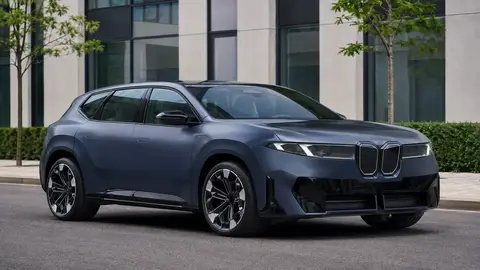
Judge a city car on four things — turning circle, footprint against the parking spaces you actually use, stop-start efficiency, and congestion or emissions zone eligibility — rather than the open-road figures that dominate most reviews and matter far less in dense traffic. A vehicle under 175 inches long with a turning radius under 35 feet covers the vast majority of standard urban parking spaces and tight street layouts comfortably.
At a glance
| City-relevant factor | Why it matters more in urban driving |
|---|---|
| Overall length / turning radius | Parallel parking, tight garages |
| Stop-and-go efficiency | City driving rarely reaches highway MPG ratings |
| Low-speed visibility/cameras | Pedestrian-dense streets, tight intersections |
| Emissions/congestion zone eligibility | Growing number of cities restrict older/high-emission vehicles |
Why highway-focused reviews miss what matters in a city
Most vehicle reviews emphasize highway cruising comfort, acceleration, and long-trip fuel economy — none of which matter much if your daily driving is a 15-minute stop-and-go commute and weekend errands with tight parking. Re-weighting the same specification sheet toward what affects city living — footprint, low-speed efficiency and visibility — reorders the answer completely.
The figures worth looking up
- Typical parking situation (street parking, garage with size constraints, driveway)
- Average daily driving distance and how much is stop-and-go versus highway
- Whether your city has (or is adding) a low-emission or congestion charging zone
- Priority: maneuverability, cargo space, efficiency, or a balance
Why hybrids and EVs often score higher for city use specifically
Hybrids and EVs are at their most efficient in stop-and-go driving — regenerative braking recaptures energy every time you brake at a light, which is the opposite of highway driving where hybrids show a smaller efficiency edge over gas. That's why a hybrid or EV can post its best-ever efficiency numbers specifically in city use, even though its EPA highway rating might be closer to a comparable gas car's.
Worked example
| Vehicle type | Length | Turning radius | City MPGe/MPG | Congestion zone eligible |
|---|---|---|---|---|
| Subcompact hatchback | 160 in | 32 ft | 35 city MPG | Yes |
| Compact hybrid | 173 in | 34 ft | 50+ city MPG-equiv | Yes |
| Midsize SUV | 192 in | 39 ft | 22 city MPG | Varies by zone rules |
For someone doing mostly short city trips with tight street parking, the subcompact and the compact hybrid both beat the midsize SUV on this weighting — even though the SUV might win a generic 'best car' list focused on space and highway comfort.
A vehicle's official turning radius doesn't account for mirrors, bumper overhangs, or parking sensor accuracy — always test park in a similarly tight space before assuming a spec sheet number guarantees a comfortable fit.
Congestion and low-emission zones are expanding
A growing number of major cities operate low-emission or congestion charging zones that restrict or surcharge older, higher-emission vehicles. If you live in or regularly drive into one of these zones, checking eligibility before buying avoids an unexpected daily or per-trip charge down the line.
Frequently asked questions
Are hybrids or EVs always better for city driving?
What turning radius is considered good for tight city streets?
Do congestion or low-emission zones affect used car value?
Does a smaller car actually save money in a city beyond parking convenience?
Sources & further reading
- U.S. EPA — Fuel economy city vs highway ratings explained
- Transport for London — Ultra Low Emission Zone (ULEZ) requirements
Figures, prices and policy details were current at the last-updated date above. Automotive pricing, incentives and regulations change frequently — verify time-sensitive details with the linked primary sources. Read our editorial policy and fact-checking standards.