Note: costs mentioned below are given in US dollars as a general point of reference — actual prices vary by country, currency, and local market.
Keep three to five specific configurations — trim and options, not just model names — in a written shortlist, and re-check them on a fixed schedule rather than continuously. The four things that actually move during a search are manufacturer incentives, list price at model-year changeover, the trim and option structure itself, and safety ratings after a new test cycle. Everything else you can settle once.
Why a shortlist goes stale
Buying a car is rarely a single sitting. Research spreads over weeks, and a note written in the first week is frequently out of date by the time you are ready to sign — most often because an incentive appeared or expired, or because the model year rolled over and the trim you priced no longer exists in that form.
What changes, and where to check it
| What moves | Where to check it | How often |
|---|---|---|
| Manufacturer incentives and rebates | The manufacturer's own offers page for your region | Monthly — most programmes run in monthly cycles |
| List price | Manufacturer configurator | At model-year changeover, and when a facelift is announced |
| Trim and option structure | Manufacturer configurator or brochure PDF | At model-year changeover |
| Safety rating | Euro NCAP, IIHS or NHTSA, depending on your market | When a new test cycle publishes |
| Transaction price and availability | Dealers directly — this is never published | When you are ready to buy |
How to write the shortlist
- Record the exact configuration: model, model year, trim, and the options you actually want. 'Compact SUV, mid trim' is not enough to price.
- Record the date you priced it and the figure you were quoted or read, so you can see movement later.
- Record your own must-haves against each — boot space, seat fit, towing capacity, charging speed — so that a later price change does not quietly move an unsuitable car to the top.
- Set a recurring reminder to re-check the incentive pages, rather than checking constantly.
What movement looks like over a search
| Shortlisted car | Priced in week 1 | What had changed by week 6 |
|---|---|---|
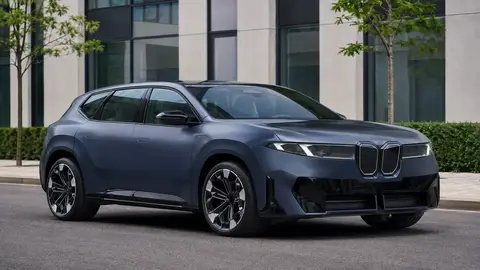
| Compact SUV, mid trim | $32,400 list, no offers | Manufacturer added a $1,500 finance incentive |
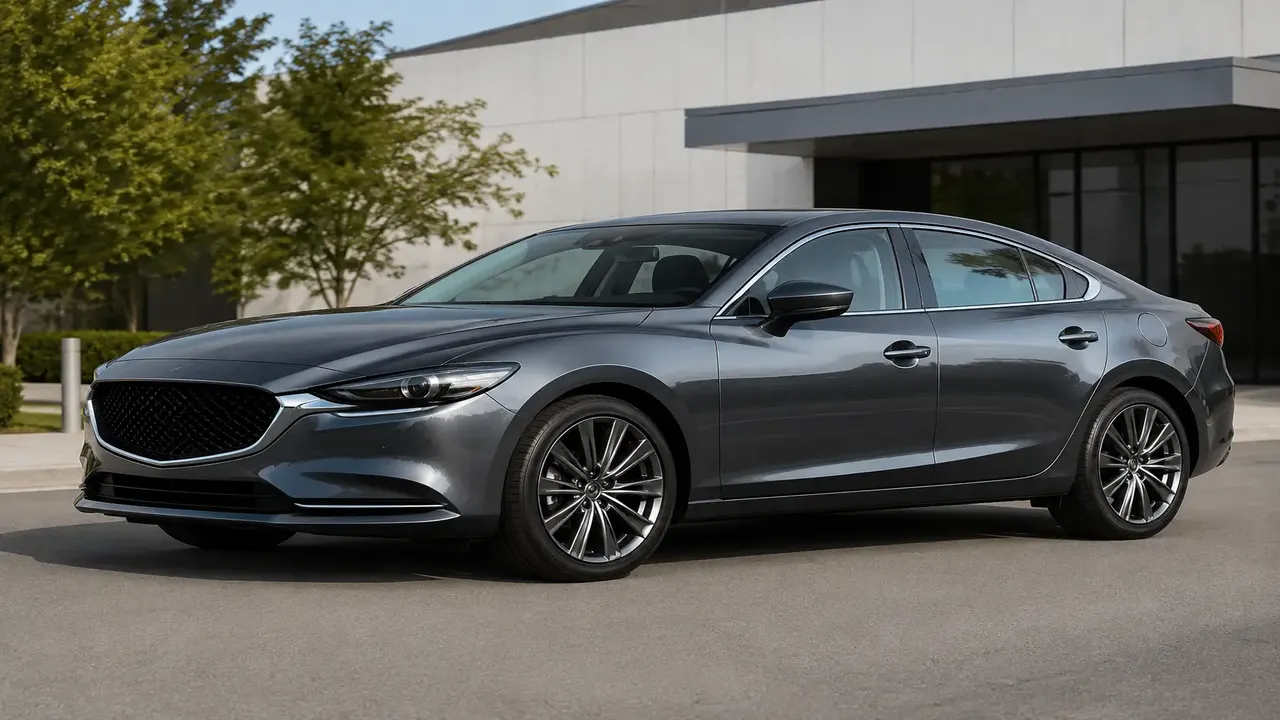
| Midsize sedan, base trim | $28,900 list | New model year announced; base trim gained standard equipment and price |
Neither change would have reached the buyer on its own. Incentive programmes are advertised hardest at launch and go quiet afterwards, and model-year changes are announced to the trade well before they are visible on a showroom floor.
Everything above tracks published figures. What you actually pay depends on the individual dealer, their stock, and the negotiation — and no published source will tell you that number in advance.
Turning a shortlist into a decision
Once you have a few weeks of dated figures, the pattern is more useful than any single snapshot: one car has had a steady or improving offer picture, another has been drifting upward. That is a timing signal you cannot get from a one-off comparison, and it costs nothing but the discipline of writing the date next to the number.
Frequently asked questions
How long does buying a car usually take?
How often do manufacturer incentives change?
Should I shortlist models or specific trims?
Where do I find a reliable safety rating?
Can I track a specific used listing the same way?
Sources & further reading
- Federal Trade Commission — Buying a car
- IIHS — vehicle safety ratings
- Euro NCAP — ratings
- US Department of Energy — Fuel Economy Guide
Figures, prices and policy details were current at the last-updated date above. Automotive pricing, incentives and regulations change frequently — verify time-sensitive details with the linked primary sources. Read our editorial policy and fact-checking standards.