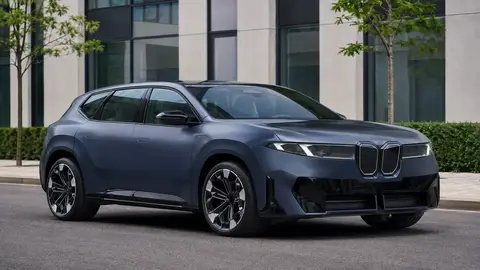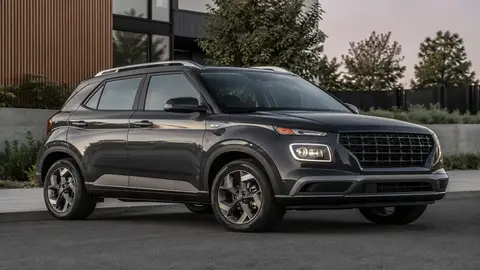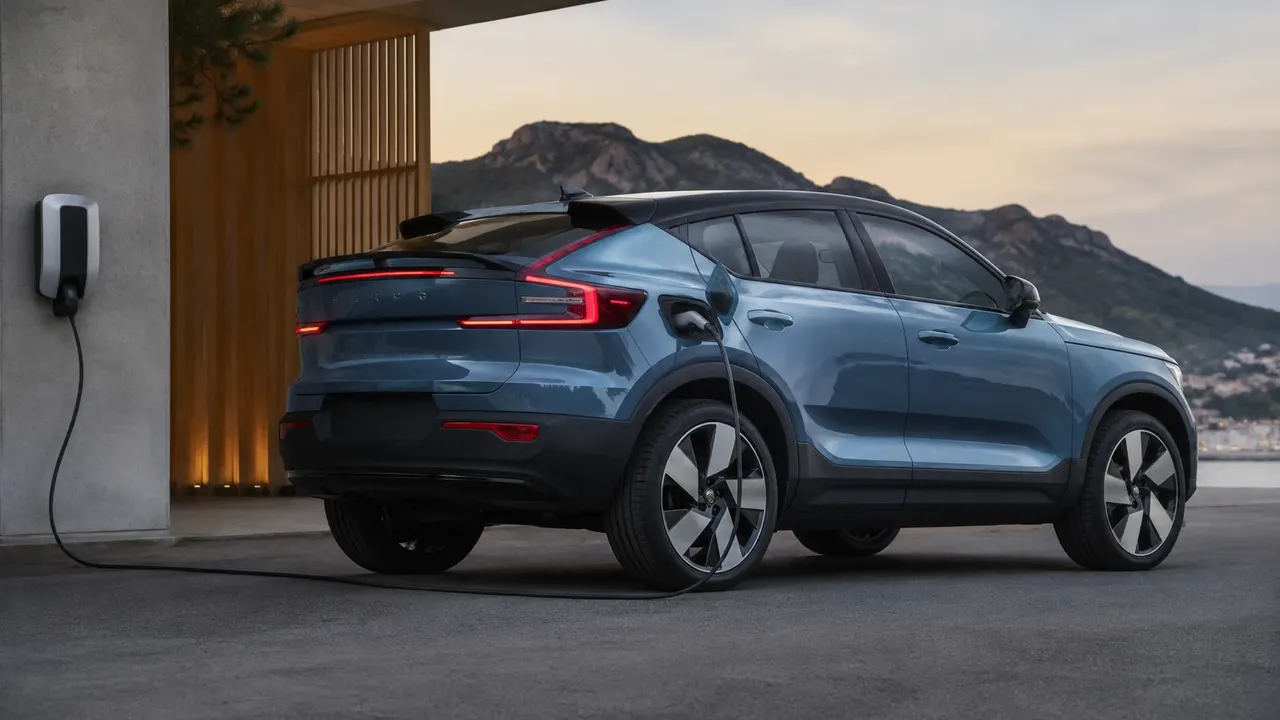
Petrol suits low-mileage, mixed driving with the lowest purchase price; diesel favors high-mileage motorway/highway drivers thanks to 15-20% better fuel economy on long runs; hybrids cut city fuel use by roughly 30-50% versus petrol without needing to plug in; and EVs cost the least per mile to run (especially charged at home) but need charging infrastructure and cost more up front, with that gap narrowing as battery prices fall. There is no single best fuel type — the right one depends on annual mileage, driving mix, and access to home or workplace charging.
At a glance
| Fuel type | Best suited for | Refuel/recharge time |
|---|---|---|
| Petrol | Low-mileage, mixed driving, lowest upfront cost | 3-5 minutes |
| Diesel | High-mileage motorway/highway driving, towing | 3-5 minutes |
| Hybrid (non-plug-in) | Stop-start city/suburban driving | 3-5 minutes (no plug needed) |
| Plug-in Hybrid (PHEV) | Short commutes with occasional long trips | ~2-4 hrs (home) + petrol fallback |
| Battery EV | Home/workplace charging access, predictable routes | 30-45 min (fast DC) to 8-10 hrs (home AC) |
How to compare the powertrains fairly
Line up four things for each powertrain: running cost per mile at your own fuel or electricity price, the purchase price premium, refuelling or recharging time, and the use case each one genuinely suits. Grounding the choice in your actual annual mileage, driving mix and charging access is what makes the comparison useful — not which category happens to be trending.
Petrol vs. diesel: the mileage crossover
Diesel engines are typically 15-20% more fuel-efficient than equivalent petrol engines on steady-speed motorway/highway driving, but diesel vehicles usually carry a purchase price premium of a few thousand dollars/pounds and diesel fuel itself sometimes costs more per liter/gallon than petrol depending on region and season. The fuel savings only overtake the higher purchase price at meaningfully high annual mileage — commonly cited breakeven points sit around 12,000-15,000+ miles/year of mostly motorway driving. Below that, petrol is usually cheaper overall.
- Diesel makes sense for high-mileage motorway commuters, towing and long-distance driving.
- Petrol makes sense for lower annual mileage and mixed urban/suburban driving.
- Many diesel passenger cars require periodic diesel exhaust fluid (DEF/AdBlue) top-ups for emissions control — a small recurring cost to factor in.
- Some cities restrict older diesel vehicles from low-emission zones — check local rules before buying diesel for city use.
Hybrids: two very different technologies
A conventional (non-plug-in) hybrid uses a small battery charged by the engine and regenerative braking to cut fuel use, especially in stop-start traffic — no plug required, ever. A plug-in hybrid (PHEV) carries a much larger battery giving 20-40 miles of electric-only range typically, charged from a wall outlet or charger, with a petrol engine for longer trips. A PHEV driven mostly on short trips and charged regularly can use very little petrol; the same PHEV never plugged in behaves like a heavier, less efficient regular hybrid.
EV running costs vs. everything else
- Home charging is typically the cheapest per-mile energy cost of any fuel type, often a fraction of petrol's per-mile cost depending on local electricity rates.
- Public fast charging costs more per mile than home charging — sometimes approaching petrol cost per mile at premium DC fast-charging rates.
- EVs have fewer moving parts (no oil changes, timing belts, exhaust system) which typically lowers routine maintenance cost.
- Battery degradation is real but generally gradual — most manufacturers warranty EV batteries for 8 years/100,000 miles against excessive capacity loss.
Worked example
A driver covering 8,000 miles/year mostly around town would likely find a non-plug-in hybrid the sweet spot — no charging hassle, meaningful fuel savings in stop-start traffic, no diesel premium to justify on low mileage. A driver covering 20,000 miles/year mostly on the highway for work would likely save more with diesel or, if home/workplace charging is available, a BEV — either can beat a petrol equivalent's running cost at that mileage, with the EV winning on cost-per-mile and the diesel winning on refuel speed for long, unplanned trips.
Fuel and electricity prices, EV incentives and low-emission zone rules change often and vary sharply by country and even by city — verify current local pricing and incentives before finalizing a decision; this comparison is educational, not a purchase recommendation for a specific fuel type.
Frequently asked questions
Is diesel or petrol better for high mileage drivers?
Do I need to plug in a hybrid car?
How much cheaper is it to charge an EV than to fill a petrol car?
What's the real-world electric range of a plug-in hybrid?
Which fuel type has the lowest maintenance cost?
Sources & further reading
Figures, prices and policy details were current at the last-updated date above. Automotive pricing, incentives and regulations change frequently — verify time-sensitive details with the linked primary sources. Read our editorial policy and fact-checking standards.