Current mainstream EVs offer roughly 200-320 miles (EPA) of range, with premium/long-range models exceeding 350-400+ miles. Peak DC fast-charging speeds range from about 50 kW to 350 kW, but a car's average charging speed across a 10-80% session — shaped by battery chemistry, thermal management and charging curve — matters more for real trip time than the peak number alone. Two EVs with the same peak kW rating can differ by 15+ minutes on a real 10-80% fast charge.
At a glance
| Metric | Typical range across current EVs |
|---|---|
| EPA/WLTP range | 200-320 miles mainstream; 350-400+ miles long-range |
| Peak DC fast-charge rate | 50-350 kW |
| Real 10-80% fast-charge time | 18-45 minutes depending on car and charger |
| Home AC charging (Level 2) | ~4-10 hours for a full charge, most common overnight method |
What to compare instead of peak kW
Line up official range ratings, the average charging speed across a session, and published real-world 10–80% fast-charge times — not the peak kW figure. Peak power is frequently sustained only for a narrow slice of the session, so it is a poor guide to how long a road-trip stop actually takes. Independent charging-curve tests, and the manufacturer's own quoted 10–80% time, tell you far more than the headline number.
Why range ratings don't match real-world driving
EPA (US) and WLTP (Europe/UK) test cycles use standardized conditions that rarely match real driving — cold weather, highway speeds above 65 mph, cabin heating/cooling and cargo load can all cut real-world range by 20-30% versus the rated figure, sometimes more in cold climates. WLTP-rated figures also tend to run somewhat higher than EPA figures for the same car due to differences in test protocol, so comparing a WLTP number against an EPA number for different markets isn't apples-to-apples.
- Highway driving at sustained high speed reduces EV range more than it reduces a comparable petrol car's fuel economy, due to aerodynamic drag dominating at speed.
- Cold weather can cut range noticeably due to battery chemistry and cabin heating draw — preconditioning the battery while plugged in helps mitigate this.
- Towing or heavy cargo loads reduce range more sharply in EVs than in petrol vehicles of similar power.
- Regenerative braking recovers some energy in stop-start city driving, which is why city range sometimes holds up better than highway range relative to the rated figure.
Peak kW vs. real charging speed
A car's charging curve — how charging speed changes as the battery fills — determines real-world charging time far more than the single peak kW figure. Most EVs only hit peak charging speed briefly, often in the 10-40% state-of-charge range, then taper significantly as the battery approaches 80% to protect battery health. A car advertising 250 kW peak but tapering hard after 30% can take longer to reach 80% than a car peaking at only 150 kW but holding a flatter curve.
What actually determines real charging time
- Battery chemistry and thermal management — better-cooled packs sustain higher charge rates for longer.
- State of charge at the start of the session — charging from 10% is much faster per minute than charging from 50%.
- Battery temperature — a cold battery (especially in winter without preconditioning) charges significantly slower.
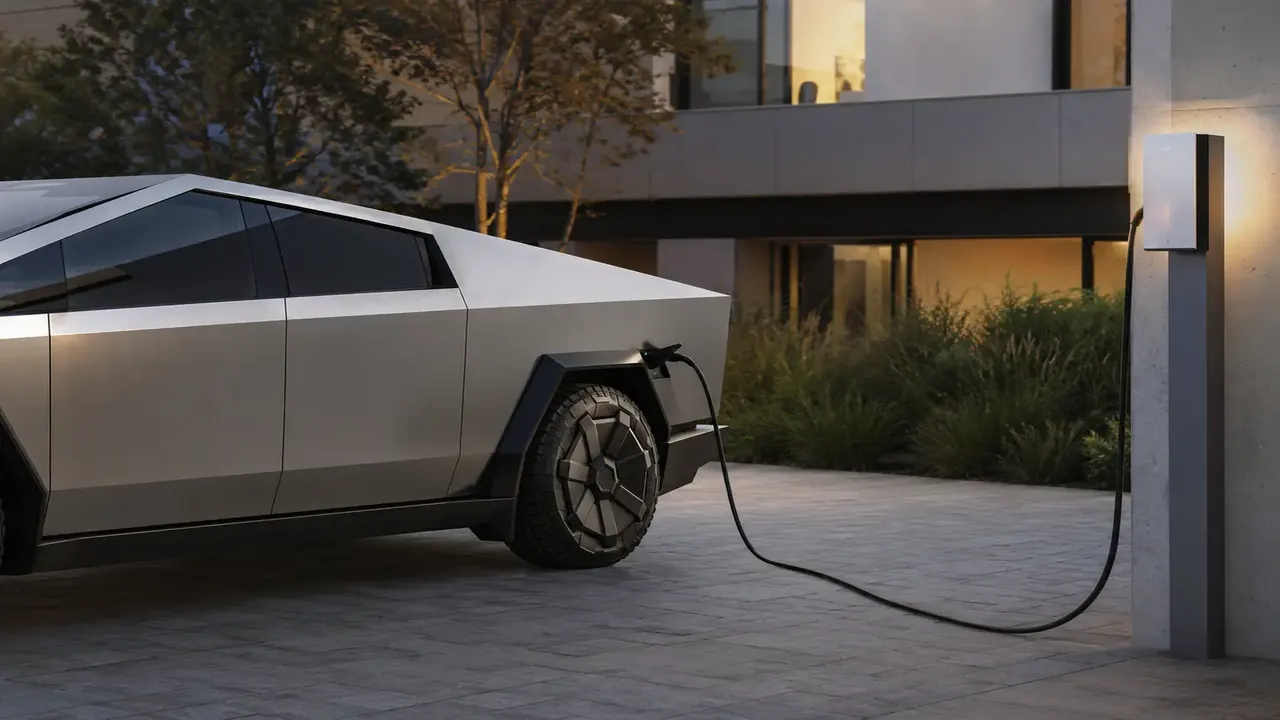
- The charger's actual output — a 350 kW-capable car plugged into a 50 kW charger will only charge at 50 kW.
Worked example
Car A peaks at 270 kW but tapers below 100 kW by 55% state of charge, reaching 10-80% in about 32 minutes. Car B peaks at only 175 kW but holds above 130 kW until 70% state of charge, reaching 10-80% in about 24 minutes despite the lower peak figure. For anyone road-tripping and stopping to charge from a low state of charge repeatedly, Car B's flatter curve delivers a faster real trip despite losing the peak-kW spec-sheet comparison — which is exactly the kind of gap published charging-curve data exposes and a peak figure hides.
Charging network compatibility (plug type, network coverage) matters as much as the car's own charging speed for real-world road-tripping — check regional charging network coverage and connector standards for your market before assuming a given charging speed is achievable everywhere.
Frequently asked questions
Why is my EV's real-world range lower than the advertised figure?
Does a higher peak charging speed always mean faster charging?
Why does EV range drop more in cold weather than a petrol car's fuel economy?
Should I always charge my EV to 100%?
Is WLTP range the same as EPA range?
Sources & further reading
Figures, prices and policy details were current at the last-updated date above. Automotive pricing, incentives and regulations change frequently — verify time-sensitive details with the linked primary sources. Read our editorial policy and fact-checking standards.