Note: costs mentioned below are given in US dollars as a general point of reference — actual prices vary by country, currency, and local market.
A thorough self-inspection takes about 20-30 minutes plus a 15-20 minute test drive, and a professional pre-purchase inspection (PPI) typically costs $100-200 and is worth it on any car over roughly $8,000-10,000. Combine both with a vehicle history report ($20-40) — together they catch the vast majority of costly hidden issues: flood/accident damage, worn tires below the 2/32-inch US legal minimum, and failing major components.
At a glance: inspection checklist
| Area | What to check | Red flag |
|---|---|---|
| Documents | Title, VIN match, history report | Salvage/flood title, VIN mismatch |
| Exterior | Panel gaps, paint overspray, tire wear | Uneven gaps = prior repair |
| Interior | Warning lights, seat wear vs mileage | Excess wear for low mileage claimed |
| Under hood | Fluid levels/color, belt condition | Milky oil, burnt-smelling fluid |
| Test drive | Braking, alignment, transmission shifts | Pulling, hesitation, unusual noises |
Documents to check first
- Confirm the VIN on the title, dashboard and door jamb sticker all match exactly.
- Pull a vehicle history report and cross-check it against the seller's story on accidents/ownership.
- Verify the title is clean (not salvage, flood or rebuilt) unless the price already reflects that status.
- Check for open safety recalls using the VIN — recall repairs are free at any franchised dealer.
Exterior walk-around
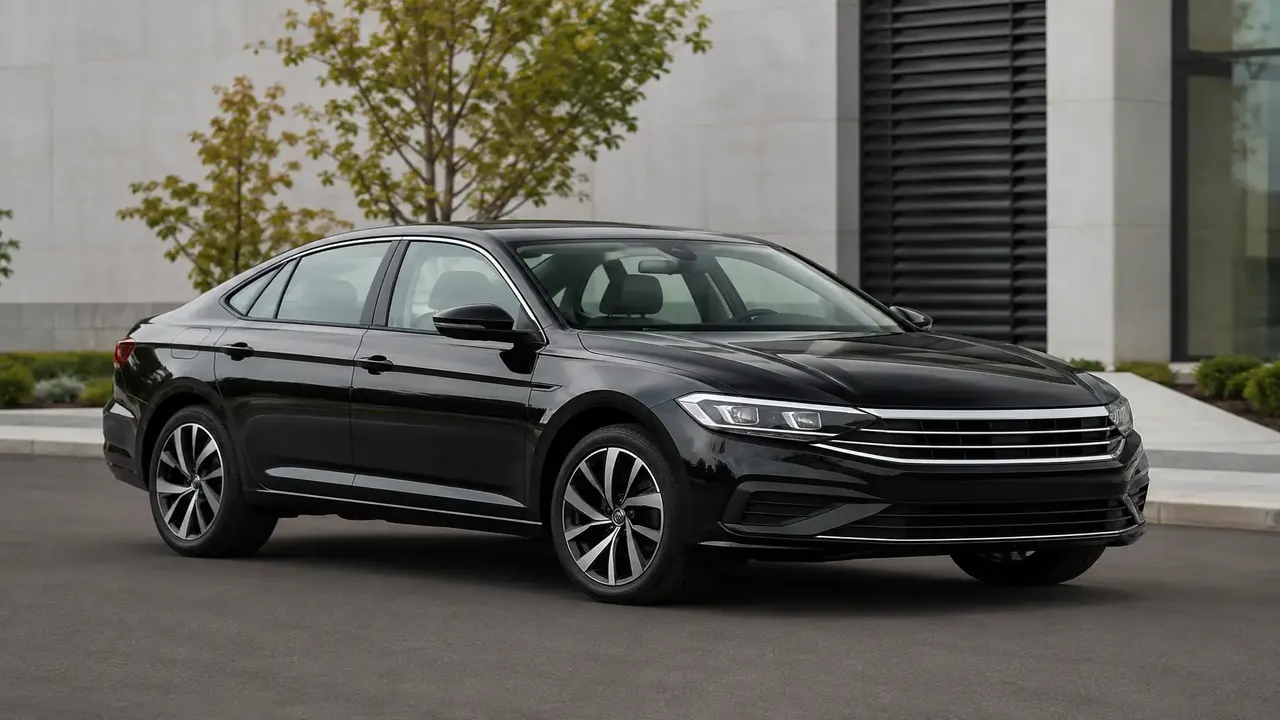
- Inspect panel gaps around doors, hood and trunk — uneven gaps suggest prior collision repair.
- Look for paint color mismatches or overspray on trim/rubber seals — a sign of a repaint.
- Check tire tread depth and even wear across all four tires (US legal minimum is 2/32 inch); uneven wear can indicate alignment or suspension issues.
- Crouch down and sight along each side panel in good light for filler/ripple marks.
Interior and electronics
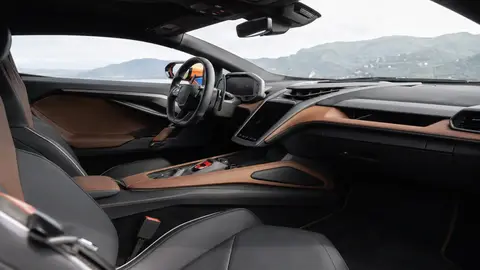
- Turn the key/start button to accessory mode and confirm every warning light illuminates then clears.
- Test all windows, locks, seat adjusters, infotainment and climate control.
- Check seat bolster and pedal wear against the claimed mileage — heavy wear on a low-mileage car is a flag.
- Smell for mustiness or mildew, which can indicate flood damage or a persistent leak.
Under the hood
- Check oil level and color — milky or foamy oil can signal a coolant leak into the engine.
- Check coolant, brake and transmission fluid levels and color.
- Look at belts and hoses for cracking, and the battery terminals for corrosion.
- Look for fresh fluid drips under the car after it's been parked a few minutes.
Test drive checklist
- Cold-start the engine yourself if possible and listen for knocking or excess smoke.
- Check straight-line braking for pulling to one side or a soft/spongy pedal.
- Drive at highway speed and let go of the wheel briefly (safely) to check for pulling — an alignment issue.
- Run through every gear (automatic or manual) checking for hesitation, harsh shifts or slipping.
- Listen for clunks over bumps, which can point to worn suspension bushings or ball joints.
For any car over roughly $8,000-10,000, a $100-200 PPI at an independent mechanic (not the seller's shop) is cheap insurance — ask for it in writing as a condition of purchase, and walk away if the seller refuses to allow one.
Frequently asked questions
How long does inspecting a used car take?
How much does a pre-purchase inspection cost?
What's the biggest red flag when inspecting a used car?
Can I inspect a car without a mechanic?
Should I inspect an EV differently than a gas car?
Sources & further reading
- NHTSA — Recalls and Safety Ratings
- National Motor Vehicle Title Information System (NMVTIS)
- National Insurance Crime Bureau — VINCheck
Figures, prices and policy details were current at the last-updated date above. Automotive pricing, incentives and regulations change frequently — verify time-sensitive details with the linked primary sources. Read our editorial policy and fact-checking standards.