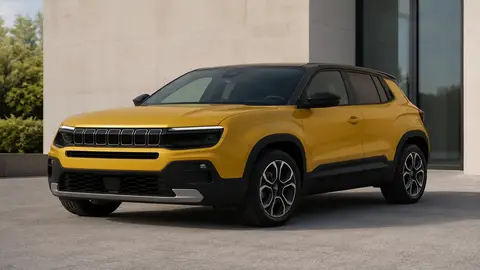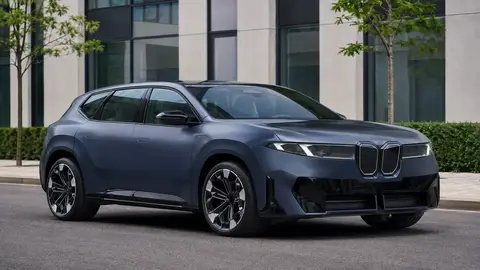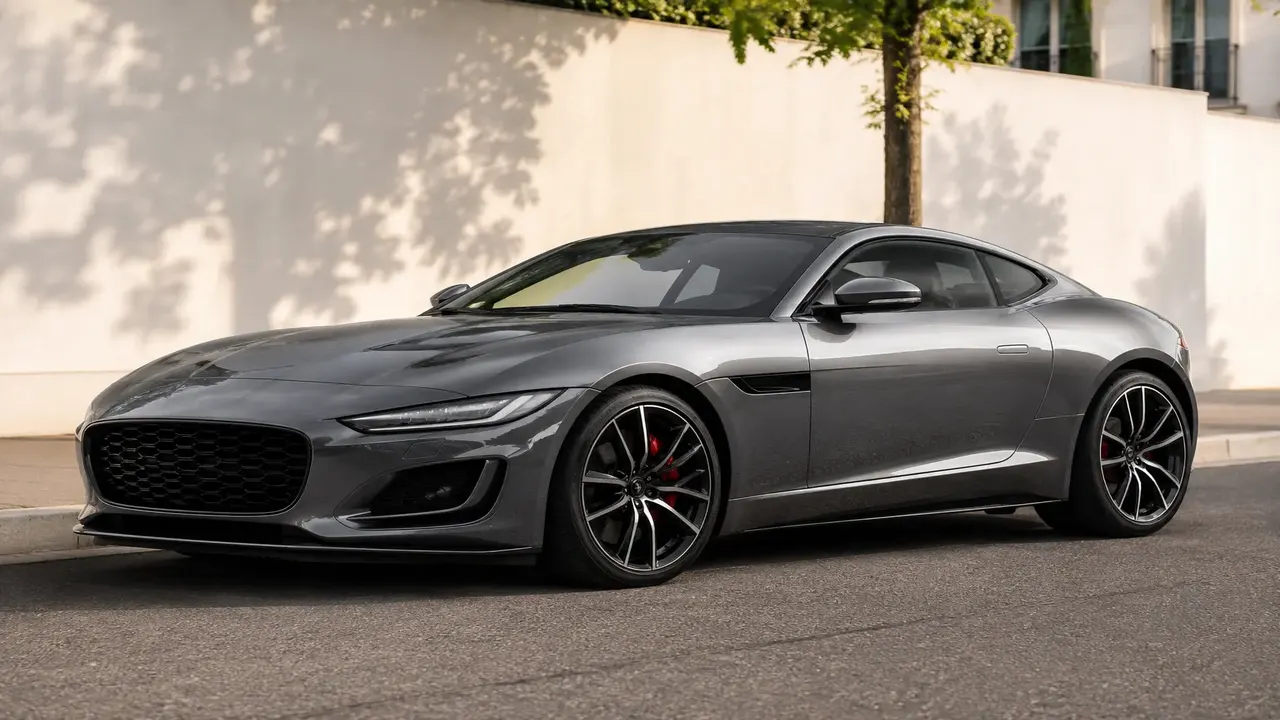
A spec sheet groups figures into four blocks — powertrain (horsepower, torque, 0-60 time), dimensions/capacities (length, cargo volume, towing), efficiency (EPA mpg or EPA/WLTP range for EVs) and trim-specific equipment. The single biggest reading mistake is comparing figures from different test cycles — a WLTP-rated EV range (common outside North America) typically reads 10-20% higher than the same car's EPA-rated range, so only compare like-for-like standards.
At a glance: spec sheet sections
| Block | Key figures | What to watch |
|---|---|---|
| Powertrain | hp, torque, 0-60 mph, drivetrain | Torque figure often more relevant to daily driving than hp |
| Dimensions | Length, wheelbase, cargo volume, towing | Cargo figures can be measured 2 different ways (SAE vs manufacturer) |
| Efficiency | EPA mpg / mpge, EV range | EPA vs WLTP figures aren't directly comparable |
| Trim & options | Standard vs optional equipment | "Available" means optional, not standard |
Powertrain specs decoded
- Horsepower (hp) — peak power output; relevant mostly at higher RPM and top speed.
- Torque (lb-ft/Nm) — rotational force, usually the number that determines how strong a car feels off the line and while towing.
- 0-60 mph (or 0-100 km/h) — a standardized acceleration benchmark; manufacturer-claimed figures tend to run slightly optimistic versus independent third-party testing.
- Drivetrain (FWD/RWD/AWD/4WD) — affects both handling and where weight sits, not just traction.
Dimensions and capacities
Cargo volume is sometimes measured differently between manufacturers (SAE-standard vs proprietary methods), so a stated cubic-foot/liter figure isn't always apples-to-apples between brands — treat it as directional, not exact, until you've measured your own gear against it. Towing capacity figures assume a base configuration; added weight (passengers, cargo, trailer tongue weight) all count against the maximum.
Fuel economy and EV range figures explained
US spec sheets use EPA test-cycle figures for mpg (gas), mpge (equivalent, EVs) and EV range. Many international/European spec sheets instead use WLTP figures, which are measured under different conditions and typically read 10-20% higher for the same physical car. Never compare an EPA-rated range to a WLTP-rated range without converting — treat them as two different scales.
Trim and options tables
- "Standard" means every trim includes it; "available" or "optional" means it's an extra-cost package on that trim only.
- Package names (e.g., "Technology Package," "Safety Package") bundle several features together — check the fine print for exactly what's included, since names aren't standardized across brands.
Safety and warranty fine print
Spec sheets often list crash-test ratings (IIHS/NHTSA in the US, Euro NCAP elsewhere) and warranty terms (bumper-to-bumper, powertrain, and — for EVs — the separate battery warranty, commonly a longer term such as 8 years/100,000 miles).
Comparing 0-60 times, range or fuel economy across regions without checking which test standard produced each number. Always confirm both figures use the same measurement standard (both EPA, or both WLTP) before drawing a conclusion.
Frequently asked questions
What's the difference between horsepower and torque on a spec sheet?
Why does my car's real-world mpg differ from the spec sheet?
Are WLTP and EPA range figures comparable?
What does "available" mean on a spec sheet?
Where can I verify a manufacturer's claimed 0-60 time?
Sources & further reading
Figures, prices and policy details were current at the last-updated date above. Automotive pricing, incentives and regulations change frequently — verify time-sensitive details with the linked primary sources. Read our editorial policy and fact-checking standards.