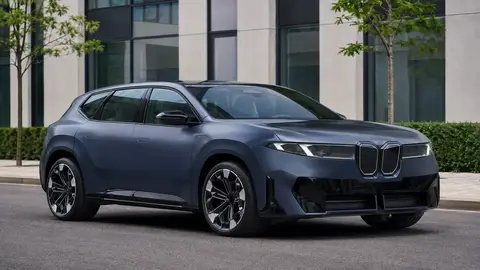
Build your inspection list around the odometer reading. Below 30,000 miles you are checking fluids, tyres and consumables. Between 30,000 and 60,000, brakes and battery come to the front. Past 90,000, timing components, the water pump, suspension bushings and transmission fluid are what decide whether the car is a bargain or a bill. A list built this way takes half an hour in a driveway and tells you where to spend your inspection time.
What matters in each band
| Mileage band | Where to concentrate |
|---|---|
| Up to 30,000 miles | Fluid levels and condition, tyre wear and age, wiper blades, all exterior lights |
| 30,000–60,000 miles | Brake pad and disc thickness, 12V battery health, cabin and engine air filters |
| 60,000–90,000 miles | Suspension bushings and ball joints, belts and hoses, spark plugs on non-iridium engines |
| 90,000 miles and beyond | Timing belt or chain condition, water pump, transmission fluid, corrosion |
Treat the bands as a guide to where to look first, not as service intervals. The intervals that bind are the ones in your handbook, which vary by model and engine.
Why mileage should drive the list
A generic pre-purchase checklist treats a 15,000-mile car and a 130,000-mile car identically. That wastes attention on items nowhere near their service life, and — more expensively — glosses over items that are already overdue. Weighting by mileage puts your limited time where failures actually cluster.
A worked mid-mileage list (60,000–90,000)
- Brake pad thickness front and rear, and disc lip and scoring — visible through most alloy wheels.
- Auxiliary and timing belt condition where belt-driven: cracking, glazing, and correct tension.
- Suspension bushings and ball joints — rock each wheel and listen for knocks; look for split rubber.
- 12V battery: terminal corrosion, case swelling, and the date code. Most last three to five years.
- Transmission fluid where a dipstick exists: it should not be dark or smell burnt. Many modern gearboxes are sealed and need a specialist to check.
- Underbody corrosion, particularly on cars from road-salt regions — look at sills, subframe mounts and brake lines.
- Every fluid level, plus evidence of leaks on the ground where the car normally parks.
Electric and hybrid cars
On an EV, the timing belt and spark plug items simply do not exist. In their place, check high-voltage battery state of health — via a dealer or third-party certificate, since it cannot be eyeballed — the charging port and flap for damage, and the 12V auxiliary battery, which still fails and still strands the car. Brake pads often last unusually well because of regenerative braking, but for the same reason discs can corrode from underuse, so inspect them rather than assuming.
Hybrids add the hybrid battery cooling intake, which is commonly behind a rear seat or in the boot and gets blocked by luggage or pet hair, and the same 12V auxiliary battery issue.
Nothing here replaces a professional inspection on a lift, which can find frame damage, leaks from underneath and worn components that only reveal themselves under load. Use the list to structure your own viewing, and to tell the mechanic where to concentrate.
Using it when buying
Ask the seller for the mileage before you view, build the list for that band, and take it with you. Items that are borderline are negotiating points. Several major items showing wear well before their band — timing components or suspension at 45,000 miles — is a reason to walk away rather than to haggle, because it usually means hard use or a mileage you cannot trust.
Frequently asked questions
At what mileage should I worry about the timing belt?
Does a checklist replace a professional pre-purchase inspection?
Can I use this on a car I already own?
How is a hybrid different to check?
How do I check tyre age as well as tread?
Sources & further reading
- ASE — vehicle maintenance guidance for consumers
- Car Care Council — maintenance schedule guidance
- NHTSA — tyre safety, age and maintenance
Figures, prices and policy details were current at the last-updated date above. Automotive pricing, incentives and regulations change frequently — verify time-sensitive details with the linked primary sources. Read our editorial policy and fact-checking standards.