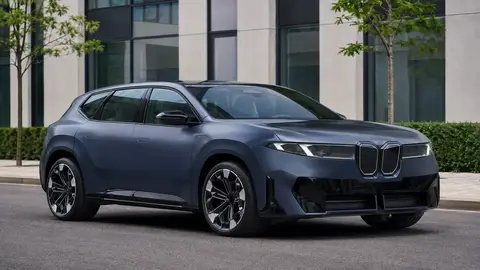
Work through a pre-test walkaround a fortnight before the test: every exterior bulb, tyre tread and condition, wipers and washers, the horn, the number plate, and any warning light on the dashboard. Lighting and signalling is consistently the largest single category of MOT failure in the UK, with tyres, brakes and suspension close behind — and bulbs and blades are among the cheapest parts on the car. Fixing them first is the difference between a pass and paying for a retest.
First, know which test applies to you
The requirements are not the same across markets, and a generic checklist will mislead you:
- United Kingdom — a single national MOT standard, run by DVSA-approved testers, required annually from the vehicle's third year. You can check your due date and full MOT history free on GOV.UK.
- United States — set by each state. Some require an annual safety inspection, some only emissions testing, some both, and a substantial number require neither. Your state's DMV publishes the actual requirement.
- India — fitness certification and Pollution Under Control (PUC) certification are separate processes with their own validity periods, administered through the RTO and authorised PUC centres.
The pre-test walkaround
- Every exterior bulb: dipped and main beam, brake lights (get someone to press the pedal), indicators and hazards, reversing light, fog lights, and the number plate light.
- Tyres: tread depth across the full width — the UK legal minimum is 1.6 mm across the central three-quarters; US state minimums vary, commonly 2/32 in. Check for sidewall bulges, cuts and uneven wear, which signal an alignment or suspension problem behind it.
- Windscreen: no damage in the driver's critical viewing area. Wipers must clear without smearing or juddering, and the washers must work — so top up the fluid.
- The horn.
- Dashboard: no ABS, airbag, engine management or brake warning lamp illuminated.
- Number plates: legible, correctly spaced and securely fixed.
- Seatbelts: check each one pulls out, retracts and latches, and inspect the webbing for fraying.
- Fluid levels, and no visible leaks under the car after it has been parked overnight.
A sensible run-up to the test
| When | What to do |
|---|---|
| Two weeks before | Run the full walkaround. Order any parts you need — bulbs, blades, a tyre. |
| One week before | Fit the parts. Check tyre pressures and tread properly, with a gauge. |
| Day before | Final visual check, top up washer fluid, clear the boot and footwells so the tester can reach everything. |
ABS, airbag and engine-management lamps fail most inspection regimes outright, however minor the underlying fault feels. Get it diagnosed before the test rather than paying for a test that cannot pass.
If you fail
In the UK, a vehicle that fails can normally be retested at reduced or no cost at the same test centre within a short window if the repairs are done there or the car is left on site — the rules are set out by the DVSA and the exact terms depend on how the retest is arranged. In the US, most states that inspect give a grace period, commonly around 30 days, for a free or reduced-cost re-inspection at the same station. Confirm the terms with the test centre before you drive away.
Note also that in the UK an MOT can be taken up to a month minus a day before the current one expires while keeping the same anniversary date — which is the cheapest way to buy yourself repair time without losing part of a year's certificate.
Frequently asked questions
How far in advance can I take an MOT?
What fails most often?
Does a driveway check guarantee a pass?
Is emissions testing the same as a safety inspection?
Where do I find my due date?
Sources & further reading
- GOV.UK — getting an MOT
- GOV.UK — check the MOT history of a vehicle
- DVSA — MOT inspection manuals and guides
- USA.gov — state motor vehicle services directory
Figures, prices and policy details were current at the last-updated date above. Automotive pricing, incentives and regulations change frequently — verify time-sensitive details with the linked primary sources. Read our editorial policy and fact-checking standards.