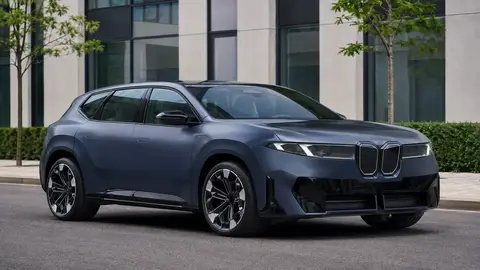
Filter used listings by model year, mileage and price together, then look hard at the outliers — a suspiciously low mileage-to-age ratio, or a price well below market for that year/mileage combination, both worth extra scrutiny. A common benchmark is 10,000-13,000 miles (16,000-21,000 km) per year of average use; cars well below that may have sat unused (which brings its own risks), and cars well above it may show more wear than the odometer year alone suggests.
At a glance
| Signal | What it suggests |
|---|---|
| Mileage far below ~10k/year average | Possibly sat unused — check battery, seals, fluids |
| Mileage far above ~13k/year average | Likely highway-heavy use, but verify service history |
| Price well below market for year/mileage | Check for accident history, title issues or needed repairs |
| Price well above market for year/mileage | Check for added options/mods that justify it, or overpricing |
Why year, mileage and price have to be read together
Each of these numbers is only meaningful next to the other two. A 3-year-old car with 15,000 miles sounds great in isolation, but if it's priced like a car with 45,000 miles, something needs explaining — maybe a clean history, maybe a hidden issue. Read all three together rather than filtering on one at a time, because the signal is in how they relate — a figure that looks fine on its own can be the one that gives the car away.
How to read a listing in two checks
Mileage-to-age ratio
Divide total mileage by the vehicle's age to get average annual mileage, and compare it against a typical 10,000-13,000 miles (16,000-21,000 km) per year benchmark. Meaningfully below that average isn't automatically bad, but it raises specific questions — cars that sit unused for long stretches can develop flat-spotted tires, degraded rubber seals, and stale fuel system issues that don't show up on an odometer.
Price relative to year/mileage comps
Then compare the asking price against a set of similar year, mileage and trim listings to see whether it sits above, at or below the typical range for that combination — a search on any major listings site takes a few minutes and is the only reliable way to know. A price sitting notably below comparable listings deserves extra scrutiny — vehicle history report, accident record, and independent inspection — rather than assumed to be simply a good deal.
Depreciation curve position
Vehicles lose value fastest in the first 2-3 years, then depreciation slows. Working out roughly where a given year and mileage combination sits on that curve tells you whether you are catching a vehicle near the steep early drop (often better relative value) or later in the flatter part of the curve.
Worked example
A listing shows a 4-year-old midsize sedan with 38,000 miles (about 9,500 miles/year — slightly below average) priced noticeably under comparable listings with similar mileage. Both signals point the same way: check for a clean title and full accident-free history, and get a pre-purchase inspection, since the combination of below-average mileage and below-market price could mean either an honestly well-kept low-use car, or something the seller wants to move quickly.
Mileage and price patterns are useful screening signals, not proof of condition. Before buying any used vehicle, pull a vehicle history report (accident, title, service records) and get an independent pre-purchase inspection.
Common mistakes when filtering used car listings
- Treating low mileage as an automatic positive without checking for signs the car sat unused for long periods
- Chasing the lowest price in a search without checking why it's priced below comparable listings
- Ignoring service history in favor of odometer numbers alone
- Not adjusting mileage expectations for vehicle type — some vehicles (fleet cars, highway commuter cars) naturally run higher annual mileage without extra wear concerns
Frequently asked questions
What's considered normal annual mileage for a used car?
Is low mileage always a good sign on a used car?
Why would a used car be priced well below similar listings?
How do I work out a fair price for a given year and mileage?
Should I still get an inspection if the mileage and price both look normal?
Sources & further reading
- Federal Trade Commission — Buying a Used Car
- NHTSA — VIN Look-up and Vehicle History
- Kelley Blue Book — Used Car Values
Figures, prices and policy details were current at the last-updated date above. Automotive pricing, incentives and regulations change frequently — verify time-sensitive details with the linked primary sources. Read our editorial policy and fact-checking standards.