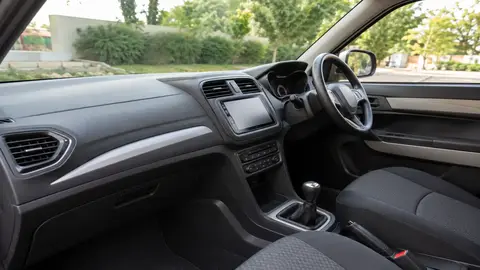
Smooth, anticipatory driving can realistically cut fuel consumption by 10-15%, worth roughly £150-£250 a year for an average UK driver covering 7,000-8,000 miles. With petrol averaging around 161p/litre and diesel 181p/litre in August 2026, the biggest single wins are keeping tyres correctly inflated (under-inflation by 20% can raise fuel use by around 2%), removing roof boxes/racks when not in use (they add drag that hurts motorway economy by up to 10-15%), and easing off harsh acceleration and braking.
At a glance
| Habit | Typical fuel saving |
|---|---|
| Smooth acceleration/braking | Up to 10% |
| Correct tyre pressure | Up to 2-3% |
| Removing roof box/rack when unused | 10-15% on motorway journeys |
| Reducing speed from 80mph to 70mph | Roughly 10-15% at motorway speeds |
| Combining short trips / avoiding cold starts | Meaningful, since cold engines use far more fuel per mile |
Why driving style matters more than most people think
Two drivers in identical cars over the same route can see a genuine double-digit difference in fuel use purely from technique. Harsh acceleration burns disproportionately more fuel than gradual acceleration, and hard braking wastes the kinetic energy you just paid for in fuel — smoothing both out is consistently the single biggest lever available to any driver, regardless of engine type.
The techniques that work
- Anticipate the road ahead — easing off early for a red light or roundabout uses far less fuel than accelerating hard then braking hard
- Change up early — in a manual, shifting at 2,000-2,500rpm rather than revving hard uses noticeably less fuel; most manufacturers' eco-shift indicators are tuned around this
- Use cruise control on steady motorway runs — it holds a constant speed more efficiently than most people drive manually
- Avoid unnecessary idling — modern engines don't need a warm-up idle; drive off gently instead
- Keep speed sensible on motorways — dropping from 80mph to 70mph can cut fuel use by roughly 10-15% due to aerodynamic drag rising sharply with speed
Vehicle set-up that helps economy
Tyres
Under-inflated tyres increase rolling resistance; running 20% under the recommended pressure can raise fuel consumption by around 2%, on top of wearing tyres unevenly and reducing grip. Check pressures monthly when cold — the correct figures are on a sticker inside the driver's door or in the handbook.
Weight and drag
Roof boxes and roof bars create significant aerodynamic drag; a loaded roof box can worsen motorway fuel economy by 10-15% and should come off as soon as you don't need it. Clearing unnecessary weight from the boot also helps, though its effect is smaller than aerodynamic drag at speed.
Air conditioning and electrics
Air conditioning does draw extra fuel, particularly at low speed, but at motorway speeds the drag from an open window usually costs more than running the air con with windows shut — use whichever is more comfortable, but don't leave the air con running unnecessarily on cold days when it isn't needed.
Trip planning that saves fuel
- Combine short local errands into one trip — a cold engine uses far more fuel per mile for the first mile or two
- Use a sat-nav that reroutes around heavy traffic; idling in queues burns fuel for zero distance covered
- Plan fuel stops around supermarket forecourts or price-comparison apps, since prices can vary by 10p+/litre between filling stations in the same town
Don't chase economy so hard that you under-rev a diesel or labour the engine at very low RPM in a high gear — this can increase wear and, in some cases, fuel use, compared with a moderate, smooth driving style.
Frequently asked questions
How much fuel can I save by driving more economically?
Does tyre pressure really affect fuel economy?
Should I remove my roof box when not using it?
Is it more efficient to use air conditioning or open the windows?
Does driving at a lower motorway speed really save much fuel?
Sources & further reading
- RAC — Fuel-saving driving tips
- gov.uk — Check your tyres
- Energy Saving Trust — Efficient driving advice
Figures, prices and policy details were current at the last-updated date above. Automotive pricing, incentives and regulations change frequently — verify time-sensitive details with the linked primary sources. Read our editorial policy and fact-checking standards.