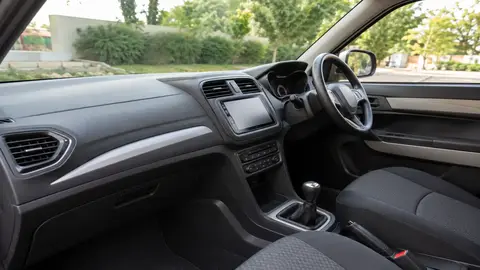
The most common UK MOT failure points are lighting and signalling (around a fifth of all failures), followed by tyres, suspension and brakes — most are quick, cheap fixes if caught beforehand. A 15-minute walk-round check of lights, tyres, wipers and fluid levels before you book can save you a re-test fee and a second trip.
At a glance
| Check | What to look for |
|---|---|
| Lights | All bulbs working, including number plate light and both brake lights |
| Tyres | Tread depth above 1.6mm legal minimum, no cuts or bulges, correct pressure |
| Windscreen & wipers | No cracks in driver's sightline, wipers clear the screen fully, washer fluid full |
| Fluid levels | Engine oil, coolant and brake fluid at correct levels |
| Number plates | Clean, legible, correctly spaced/fonted |
Do the 15-minute walk-round first
Before booking, walk around the car with the engine running and a helper if possible: check every light works (headlights, indicators, brake lights, fog lights, number plate light), check the horn sounds, and check wipers clear the screen without smearing. These checks cost nothing and catch a meaningful share of common failure points before a tester ever looks at the car.
Tyres and brakes: the checks that matter most
- Legal minimum tread depth is 1.6mm across the central three-quarters of the tyre, all the way around — but testers will also fail tyres with cuts, bulges or exposed cord even if tread is legal.
- Check tyre pressures are correct (see the door-sill placard) — this isn't a direct MOT test item, but uneven wear from wrong pressures can cause other failures.
- Listen for grinding or squealing when braking, and check the car doesn't pull to one side — both point to brake issues worth fixing before the test.
Windscreen, mirrors and visibility
A chip or crack larger than 10mm in the area swept by the wipers directly in the driver's line of sight, or larger than 40mm anywhere else in the swept area, is an MOT failure. Small chips can often be repaired cheaply before the test rather than requiring full replacement — worth doing in advance since a windscreen replacement takes longer to arrange.
Fluids, plates and paperwork
- Top up washer fluid, engine oil and coolant to the correct levels.
- Clean number plates and make sure the spacing and font meet legal requirements — DVLA-style plates with unusual fonts or spacing are a common, easily avoided fail.
- Remove clutter that could obstruct the tester's view or access, including dashcams mounted in the wrong position.
- Book your MOT up to a month (minus a day) before it expires — you keep the same renewal date even if tested early.
If it fails anyway
Ask for a written explanation of every failure item, and get a quote before agreeing to repairs at the same garage. If the car failed only on items that were fine at the time of a previous MOT and the retest is at the same centre within 10 working days, many centres offer a free or reduced-fee partial retest — check before booking work elsewhere.
Avoid booking your MOT and a full service on the same day at an unfamiliar garage without a written quote first — a small number of unscrupulous testers have been found flagging unnecessary 'advisories' as chargeable work.
Frequently asked questions
What are the most common reasons cars fail their MOT in the UK?
How early can I book my MOT before it expires?
What is the legal minimum tyre tread depth for an MOT?
Is a small windscreen chip an automatic MOT fail?
Do I get a free retest if my car fails its MOT?
Sources & further reading
Figures, prices and policy details were current at the last-updated date above. Automotive pricing, incentives and regulations change frequently — verify time-sensitive details with the linked primary sources. Read our editorial policy and fact-checking standards.