A basic powered (self-amplified) subwoofer that plugs into an existing system runs $100-$250; a separate subwoofer plus a dedicated amplifier typically totals $200-$600 depending on size and power handling; competition-oriented setups with multiple large subs and high-power amps can exceed $1,000. Subwoofer size (commonly 8, 10, 12, or 15 inches) trades off between tighter, more accurate bass (smaller) and deeper, louder low-end output (larger).
At a glance
| Setup type | Price | Notes |
|---|---|---|
| Powered/amplified all-in-one sub | $100-$250 | Simplest install, moderate output |
| Sub + separate amp | $200-$600 | More power and customization |
| Multi-sub competition build | $1,000+ | Maximum output, specialized enclosures |
Sizing: bigger isn't automatically better
Smaller subwoofers (8-10 inches) generally produce tighter, more accurate, faster bass suited to a wide range of music genres and are easier to fit in smaller enclosures. Larger subwoofers (12-15 inches) move more air and produce deeper, louder low-end output, which suits bass-heavy genres and larger vehicles, but can sound comparatively 'loose' or boomy if not paired with a well-designed enclosure and enough amplifier power to control the cone properly.
Sealed vs. ported enclosures
A sealed enclosure is a fully closed box that produces tighter, more accurate bass with a gentler roll-off at low frequencies — generally the better choice for music accuracy and smaller spaces. A ported (vented) enclosure has a tuned port that reinforces bass at a specific frequency range, producing louder, deeper-sounding bass with less power required, but at some cost to accuracy and with a larger box size needed for the same driver.
Powered vs. separate amp setups
A powered subwoofer includes its own built-in amplifier in the enclosure, simplifying installation to essentially a power and signal connection — a good option for drivers who want noticeably more bass without a complex build. A separate subwoofer and amplifier combination offers more flexibility (matching power output precisely to the sub's RMS rating, adding a DSP, upgrading components independently) but requires more wiring knowledge and space planning.
Matching power correctly
Subwoofers are rated for RMS (continuous) and peak power handling. Matching an amplifier's RMS output reasonably close to the subwoofer's RMS rating (generally within about 75%-125%) avoids two failure modes: an underpowered sub that sounds weak and can be damaged by clipping distortion at high volume, or an overpowered setup that risks mechanical damage if driven carelessly.
- Sealed enclosures = tighter, more accurate bass in a smaller box
- Ported enclosures = louder, deeper bass but larger box and some loss of tightness
- Match amplifier RMS output to the subwoofer's RMS rating, not its peak rating
- Check your vehicle's available trunk/cargo space before choosing enclosure size
- A properly sized single 10-12 inch sub satisfies most daily-driver bass preferences without excessive trunk space loss
Installation and electrical considerations
A subwoofer setup that draws significant current can strain a factory electrical system — a big amp/sub combo sometimes needs an upgraded alternator or a dedicated capacitor to avoid dimming headlights under bass hits. Undersized power wiring (gauge too thin for the amp's draw) is a common cause of underperformance and a fire risk — follow the amp manufacturer's recommended wire gauge.
Beyond the sub and amp themselves, budget for power wiring, a fuse near the battery, an inline fuse holder, and adequate grounding — skimping on wiring gauge is one of the most common reasons a subwoofer system underperforms or overheats.
Setting expectations by vehicle type
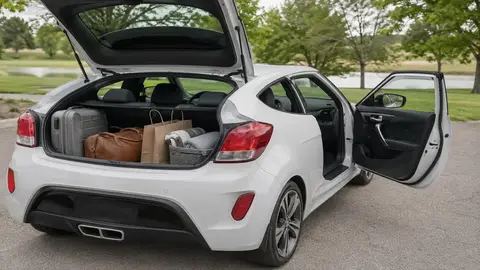
Small hatchbacks and sedans with limited trunk space generally do well with a single 10-12 inch sub in a compact sealed box; trucks and SUVs with more room can support larger ported enclosures or dual-sub setups without sacrificing as much usable cargo space.
Frequently asked questions
What size subwoofer is best for a car?
Is a sealed or ported enclosure better?
Do I need a separate amplifier for a subwoofer?
How do I know what amplifier power to pair with my subwoofer?
Will a subwoofer drain my car battery?
Sources & further reading
Figures, prices and policy details were current at the last-updated date above. Automotive pricing, incentives and regulations change frequently — verify time-sensitive details with the linked primary sources. Read our editorial policy and fact-checking standards.