The federal $7,500 new-EV and $4,000 used-EV tax credits (Section 30D/25E) ended for vehicles acquired after September 30, 2025, under the One Big Beautiful Bill Act, and are not available in 2026. The federal home EV charger credit (Section 30C, up to $1,000) also expired for property placed in service after June 30, 2026. What remains: a patchwork of state rebates and tax credits (varying widely by state, from roughly $500 to $5,000), utility company rebates for home chargers and off-peak charging rates, and some manufacturer incentives offered directly by automakers to offset the lost federal credit.
At a glance
| Incentive | Status in 2026 |
|---|---|
| Federal new-EV credit (30D, up to $7,500) | Ended for vehicles acquired after Sept 30, 2025 |
| Federal used-EV credit (25E, up to $4,000) | Ended for vehicles acquired after Sept 30, 2025 |
| Federal home charger credit (30C, up to $1,000) | Expired for property placed in service after June 30, 2026 |
| State EV rebates/credits | Still active in many states — amount and eligibility vary widely |
| Utility rebates for home charging | Still common — check your specific electric utility |
| Manufacturer incentives | Some automakers added their own discounts after the federal credit ended |
What changed, and when
The One Big Beautiful Bill Act, signed in 2025, accelerated the end of the federal clean vehicle tax credits. The $7,500 credit for new EVs (Section 30D) and the $4,000 credit for qualifying used EVs (Section 25E) both ended for vehicles acquired after September 30, 2025 — several years earlier than originally scheduled. If you're shopping in 2026, do not expect either credit; some outdated dealer marketing or older articles may still reference them incorrectly.
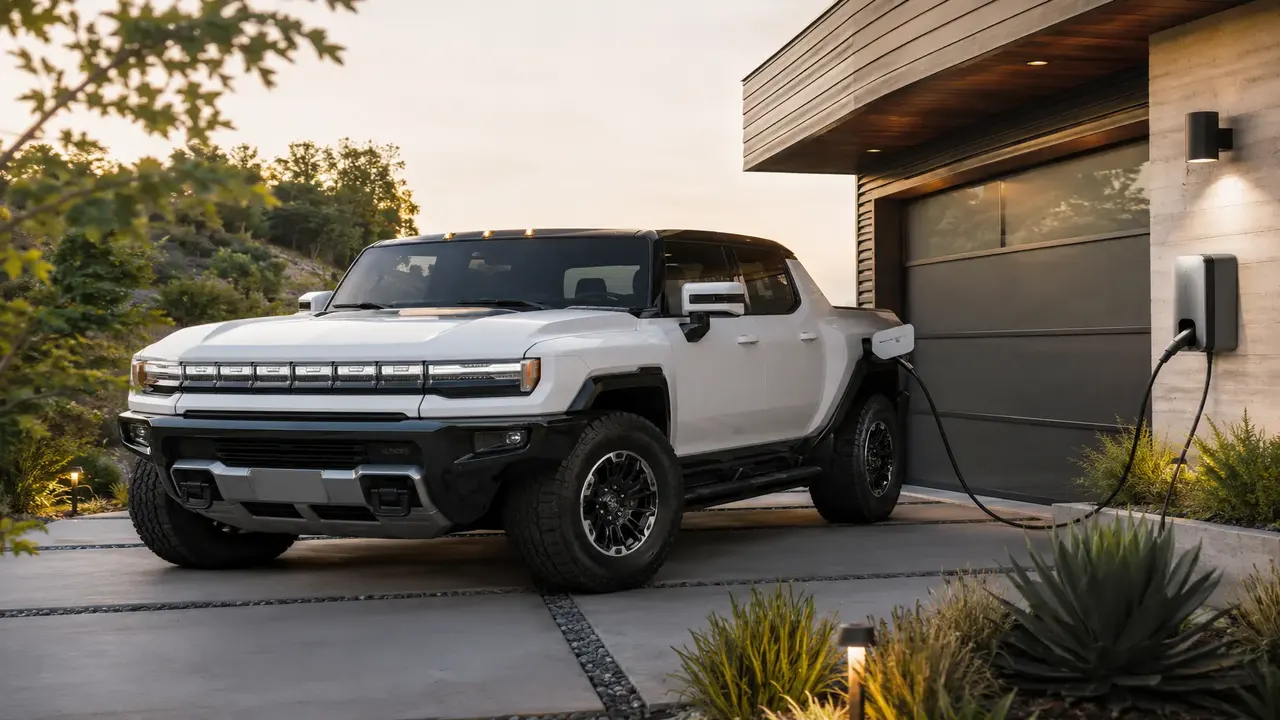
The federal Alternative Fuel Vehicle Refueling Property Credit (Section 30C), which covered up to 30% of home EV charger and installation costs up to $1,000 for individual taxpayers, also had its expiration moved up — it expired for property placed in service after June 30, 2026. If you installed a home charger before that date, keep your receipts and confirm with a tax professional whether you still qualify for the year you installed it; installations after that date do not qualify federally.
What's still available
State-level incentives
A number of states run their own EV rebate or tax credit programs independent of the federal credit, with amounts commonly ranging from around $500 to $5,000 depending on the state, vehicle price cap, and household income limits. Some states also offer perks like reduced vehicle registration fees, HOV lane access stickers, or emissions-test exemptions for EVs. Because these programs change frequently and vary enormously by state, check your state's energy office or DMV website directly for current terms rather than relying on a national estimate.
Utility company rebates
Many electric utilities still offer rebates for installing a Level 2 home charger (commonly $200-$1,000) and discounted off-peak electricity rates for EV charging, since utilities benefit from shifting charging load to low-demand hours. These programs are separate from federal or state tax incentives and are worth checking directly with your electric utility before installing a charger.
Manufacturer incentives
Some automakers introduced their own purchase incentives or lease-cash offers after the federal credit ended, partly to keep EV pricing competitive. These change often and are announced model-by-model, so compare current manufacturer offers at the time of purchase rather than assuming none exist.
| Incentive type | Where to check |
|---|---|
| State EV rebate/credit | Your state energy office or DMV website |
| Utility home-charger rebate | Your electric utility's website |
| Off-peak EV charging rate plan | Your electric utility |
| Manufacturer incentive | Automaker's current offers page |
Some leased EVs historically qualified for a commercial-vehicle credit pathway that let dealers pass savings through in the lease price, regardless of the buyer's income or the vehicle's assembly location. Confirm directly with the dealer and a tax professional whether any such pathway still applies in 2026, since federal rules have changed significantly.
Frequently asked questions
Is the $7,500 federal EV tax credit still available in 2026?
Can I still get a tax credit for installing a home EV charger?
Are there any EV incentives left in the US?
Where can I check if my state still offers an EV rebate?
Sources & further reading
- IRS — Clean vehicle tax credits
- IRS — Alternative Fuel Vehicle Refueling Property Credit
- US DOE Alternative Fuels Data Center — EV incentives
Figures, prices and policy details were current at the last-updated date above. Automotive pricing, incentives and regulations change frequently — verify time-sensitive details with the linked primary sources. Read our editorial policy and fact-checking standards.