Following the industry-wide shift to Tesla's North American Charging Standard (NACS) connector, most major automakers — including Ford, GM, Rivian, Honda, Nissan, Volvo, Polestar, and Stellantis brands like Jeep and Dodge — have gained or announced native NACS ports or adapter-based access to Tesla's Supercharger network, historically the largest and most reliable fast-charging network in North America. EVs built natively with a NACS port from the 2025-2026 model years generally get the smoothest plug-and-charge experience at Superchargers, while older CCS-equipped EVs typically need an adapter, which works but can be a slightly clunkier experience at some stations.
At a glance
| Access type | What it means |
|---|---|
| Native NACS port (2025-2026+ models) | Plugs directly into Superchargers without an adapter |
| CCS port + Tesla-provided adapter | Works at most Superchargers but adds a step and potential compatibility limits |
| Non-Tesla third-party networks (Electrify America, EVgo, etc.) | Still important for coverage outside Tesla's network, reliability varies by operator/location |
| Charging speed | Determined by the vehicle's onboard charging hardware, not just the plug type |
Why the charging network landscape changed so fast
Starting in 2023 and accelerating through 2025 and 2026, most major automakers agreed to adopt Tesla's NACS connector for their EVs, opening access to Tesla's Supercharger network — long regarded as the most extensive and most reliable fast-charging network in North America. This was a major shift from the prior fragmented landscape where CCS-equipped EVs from most non-Tesla brands relied primarily on third-party networks with a more mixed reliability record.
Native NACS vs. adapter-based access
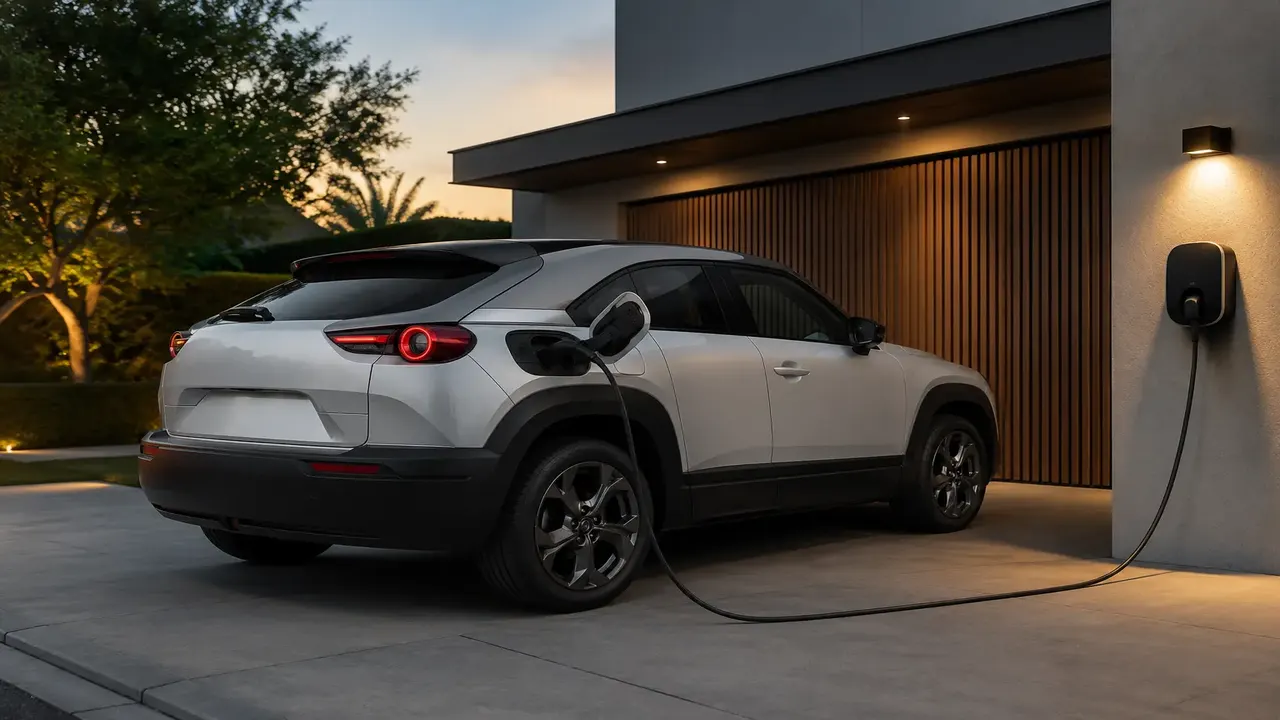
Vehicles built from the factory with a native NACS charging port generally offer the smoothest experience — plug in, and the vehicle communicates directly with the Supercharger the way a Tesla does. Vehicles still built with a CCS port instead use a Tesla-supplied or manufacturer-supplied adapter, which functionally works at most Superchargers but adds a small extra step and, at some older Supercharger stations or with some vehicle-adapter combinations, occasional compatibility hiccups that owners with native ports don't experience.
Charging network access isn't just about the plug
Even with Supercharger access, actual charging speed is set by the vehicle's own onboard charging hardware and battery chemistry — plugging a modest-charging-speed EV into a high-power Supercharger stall doesn't make it charge faster than its own hardware allows. Buyers should look at both network access (can I plug in here) and the vehicle's peak DC fast-charging rate (how quickly it actually charges once plugged in) as separate but related considerations.
- Check whether your specific model/year has a native NACS port or needs an adapter — this varies even within the same brand's lineup during the transition period.
- Non-Tesla networks (Electrify America, EVgo, ChargePoint) remain important for coverage in areas with fewer Superchargers, especially outside major highway corridors.
- Reliability varies by network and even by individual station — trip-planning apps that show real-time station status are worth using regardless of which network you rely on primarily.
What this means for route planning and road trips
For long-distance driving, access to the Supercharger network meaningfully expands practical route options in North America given its historical density and uptime record compared to some competing networks. That said, non-Tesla networks continue to expand and remain essential in regions where Supercharger density is lower, so a full picture of charging access for any specific EV should include both Tesla network compatibility and the vehicle's broader third-party network support.
| Trip type | Primary network consideration |
|---|---|
| Interstate highway road trips | Supercharger access/density typically most useful |
| Regional trips off major highways | Third-party network coverage matters more |
| Daily commuting | Home charging matters most; public network access is secondary |
NACS adoption timelines and adapter compatibility have varied by brand and even by model year within the transition period — confirm current compatibility directly with the manufacturer or Tesla before assuming full access.
Frequently asked questions
What is NACS and why does it matter for EV charging?
Do all non-Tesla EVs now work at Superchargers?
Is a native NACS port better than using an adapter?
Do I still need to use non-Tesla charging networks?
Does charging network access affect how fast my EV charges?
Sources & further reading
Figures, prices and policy details were current at the last-updated date above. Automotive pricing, incentives and regulations change frequently — verify time-sensitive details with the linked primary sources. Read our editorial policy and fact-checking standards.