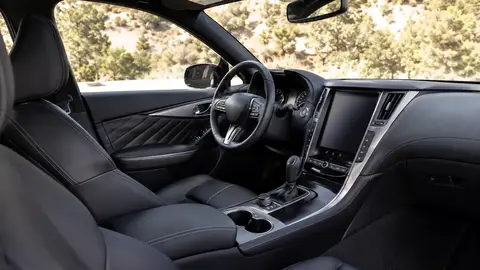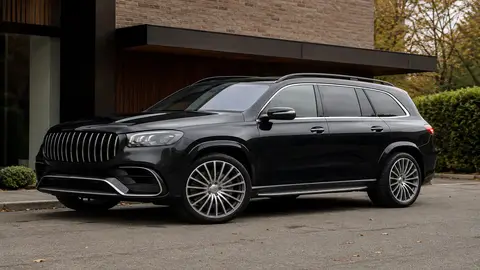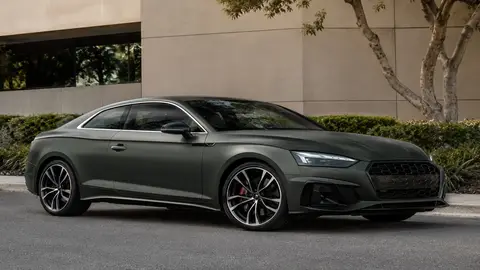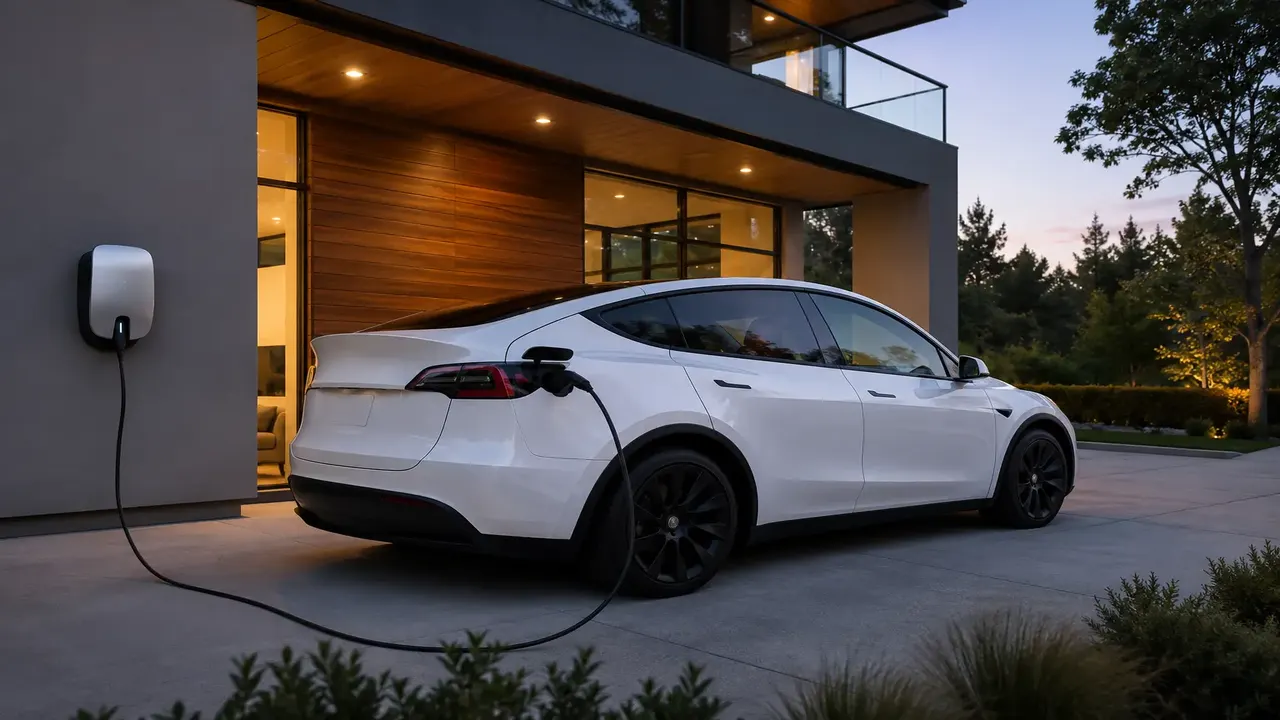
Premium EVs priced above $60,000 typically deliver EPA-rated ranges in the 300-350+ mile band, with a handful of long-range flagship trims pushing past 350-400 miles using larger battery packs and more efficient drivetrains. Beyond roughly the $70,000-$80,000 mark, additional spending buys more performance, luxury features and brand prestige more than proportionally more range — the range gains per dollar clearly diminish once you're past the 300-mile threshold most premium EVs already clear.
At a glance
| Price band | Typical EPA range |
|---|---|
| $60,000-$70,000 | ~280-330 miles |
| $70,000-$85,000 | ~300-350 miles |
| $85,000+ | ~330-400+ miles on select long-range/efficiency-focused trims |
What extra money buys in this price tier
Above $60,000, EVs generally compete less on raw range alone and more on a bundle of range, performance (0-60 times in the 3-5 second range are common), luxury interior materials, and advanced driver-assist and infotainment tech. A larger battery pack does contribute to more range, but automakers in this segment often also invest heavily in aerodynamics and drivetrain efficiency, which can produce range gains without simply adding battery cells — a more expensive but more elegant engineering approach.
Where the range-per-dollar curve flattens
Once a vehicle clears roughly 300 miles of EPA-rated range, additional real-world benefit for most drivers diminishes — average daily driving in the US is well under 50 miles, and even long road trips are increasingly well served by fast-charging network expansion. Spending an extra $15,000-$20,000 to move from 320 to 380 miles of range delivers a much smaller day-to-day benefit than the jump from 220 to 300 miles does at a lower price point, even though the sticker price difference is similar or larger.
Battery size isn't the only range lever
- Aerodynamic efficiency (drag coefficient) meaningfully affects highway range, often more than city driving.
- Motor and drivetrain configuration — a single-motor rear-wheel-drive variant typically achieves more range than a dual-motor all-wheel-drive version of the same battery size.
- Wheel size and tire choice — larger, wider performance tires common on premium trims reduce range compared to smaller, more efficient wheel options on the same model.
Real-world range vs. EPA-rated range
EPA range figures are useful for comparison but represent a specific test cycle, not a guarantee. Cold weather, highway speeds above 65 mph, and use of climate control and other cabin power draw all reduce real-world range below the EPA figure, sometimes by 15-30% in cold climates at highway speed. This applies across price points but is worth remembering when comparing a stated 380-mile flagship against a 300-mile mainstream premium model — the gap in typical real-world conditions may be somewhat smaller than the EPA numbers suggest.
| Factor | Typical range impact |
|---|---|
| Cold weather (below freezing) | Can reduce range 20-30% versus EPA rating |
| Sustained highway speeds above 70 mph | Reduces range compared to EPA combined rating |
| Large/wide performance wheels | Reduces range versus smaller standard wheels |
| Frequent DC fast charging | Minor long-term battery health impact, not immediate range loss |
The highest-range trim of a premium EV is often paired with the largest wheels and priciest options package — check whether a mid-trim with smaller wheels might actually deliver similar real-world range for less money.
Buying advice for this segment
If maximum range is genuinely the priority, look specifically at single-motor, smaller-wheel configurations rather than the flagship dual-motor performance trim, which typically sacrifices some range for acceleration. If performance and luxury features matter equally, treat range above roughly 300 miles as a comfortable sufficiency rather than a number to maximize at any cost.
Frequently asked questions
Do more expensive EVs always have more range?
Why does a performance trim have less range than a standard trim of the same EV?
How much does cold weather affect EV range?
Is 300 miles of range enough for most drivers?
Should I prioritize a larger battery or better aerodynamics for range?
Sources & further reading
Figures, prices and policy details were current at the last-updated date above. Automotive pricing, incentives and regulations change frequently — verify time-sensitive details with the linked primary sources. Read our editorial policy and fact-checking standards.