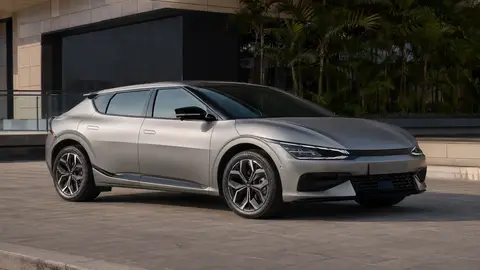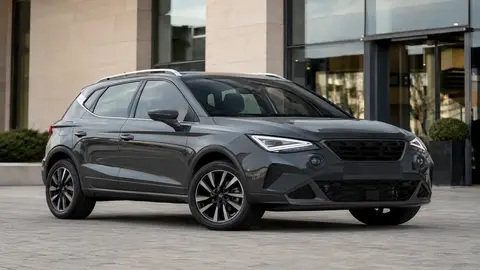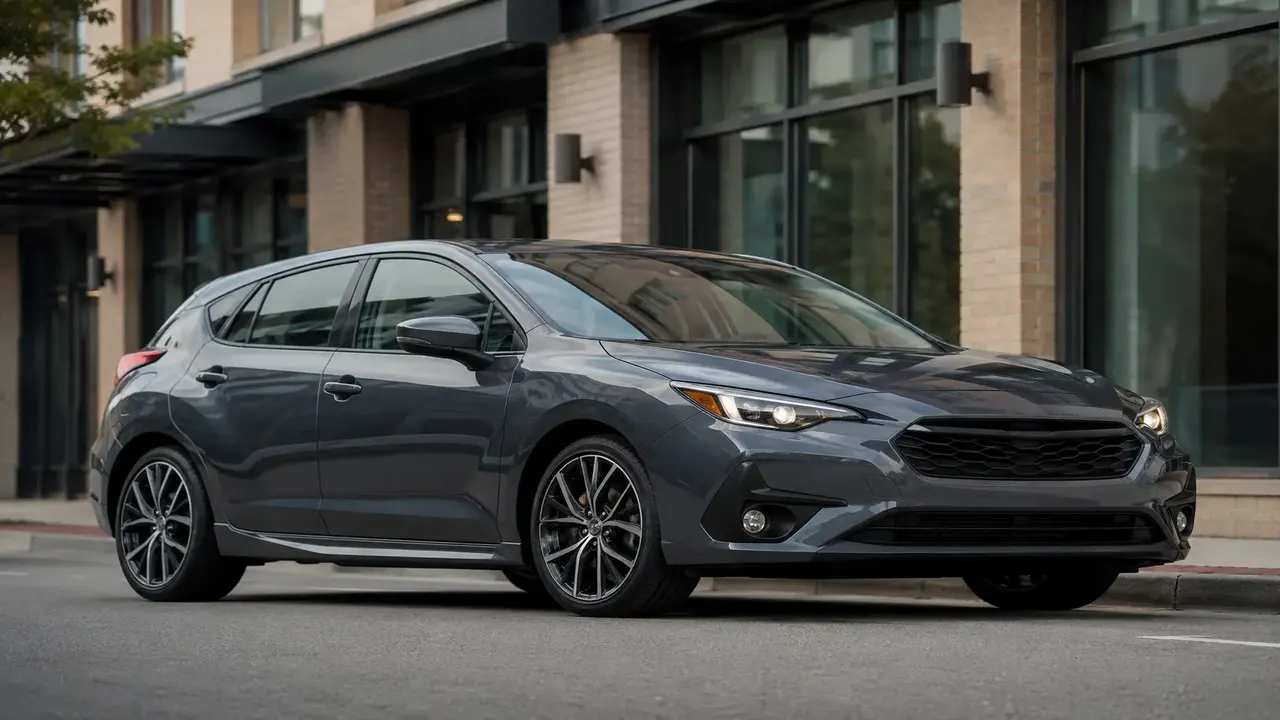
New vehicles starting under $25,000 have become increasingly rare in the US, but automaker interest in the segment has picked up again as affordability pressure pushes buyers toward lower price points. Several automakers have announced or launched new entry-level models, including budget-focused EVs targeting starting prices around $25,000-$35,000, aiming to fill a gap left as most mainstream brands moved upmarket over the past decade. Success in this segment depends heavily on cost control, since thin margins on cheap vehicles leave little room for the feature creep that has driven up prices elsewhere.
At a glance
| Metric | Figure |
|---|---|
| New vehicles available under $25,000 (US) | Very few nameplates |
| Target starting price for new budget EVs | $25,000-$35,000 |
| Average new-vehicle price for comparison | $48,000-$49,000 |
| Main challenge for automakers | Maintaining margin at low price points |
| Segment most likely to see new entries | Compact and subcompact EVs and combustion cars |
Why budget cars nearly disappeared
Over the past decade, most mainstream automakers deliberately moved away from the cheapest end of the market. Thin margins on entry-level cars made them less attractive than SUVs and trucks, especially as material, labor and technology compliance costs rose across the board. The result was a market where the cheapest available new vehicles crept well past $20,000, and true sub-$20,000 options became nearly extinct in the US.
Why the segment is getting attention again
- Persistent affordability pressure from high financing costs has pushed more buyers toward lower price points than automakers have available inventory to serve.
- EV price competition, particularly from lower-cost global competitors, is pushing some brands to develop genuinely affordable EV options to stay competitive.
- A gap in showroom lineups has opened as most brands cluster around $30,000-$45,000+ starting prices, leaving room at the bottom for a differentiated entry.
The cost-control challenge
Building a genuinely affordable new vehicle profitably requires disciplined feature and platform choices — sharing platforms across multiple models, limiting trim proliferation, and resisting the urge to add costly technology content that buyers in this segment are less willing to pay extra for. Automakers that have struggled in this segment historically have often done so by letting costs creep up trim by trim until the 'budget' model wasn't budget anymore.
What to expect from new budget launches
| Feature area | Typical budget-model approach |
|---|---|
| Infotainment | Smaller screen, smartphone mirroring over built-in navigation |
| Powertrain | Single, simple option rather than multiple trims |
| Safety tech | Core ADAS features standard, advanced features limited or unavailable |
| Interior materials | More hard plastics, fewer soft-touch surfaces |
What buyers should weigh with a budget model
- Confirm which safety features are standard versus optional — some budget trims strip out features considered essential elsewhere.
- Check real-world reviews for road noise and ride comfort, common areas where budget models cut costs.
- Compare total cost of ownership, not just sticker price, against a slightly larger used or certified pre-owned alternative.
A budget-branded model's actual on-lot price can climb well past its advertised starting price once popular options are added — check configured, realistic pricing, not just the base MSRP headline.
Where the segment goes from here
Expect a slow but real return of genuinely affordable new-vehicle options over the next few years, with EVs increasingly part of that mix as automakers work to close the price gap with combustion alternatives at the entry level.
Frequently asked questions
Are automakers bringing back cheap new cars?
Why did cheap new cars disappear from most lineups?
What do budget cars typically cut to hit a lower price?
Is a budget new car a better deal than a used car?
Sources & further reading
Figures, prices and policy details were current at the last-updated date above. Automotive pricing, incentives and regulations change frequently — verify time-sensitive details with the linked primary sources. Read our editorial policy and fact-checking standards.