📚 Retrospective comparison. Historical figures drawn from period sources; modern figures verified against current specifications.
The car that made small cars desirable
Before the Swift arrived in India in 2005, small Indian cars were overwhelmingly about sense. The Maruti 800 and its successors were bought for economy, reliability and running costs — desirability wasn't part of the equation.
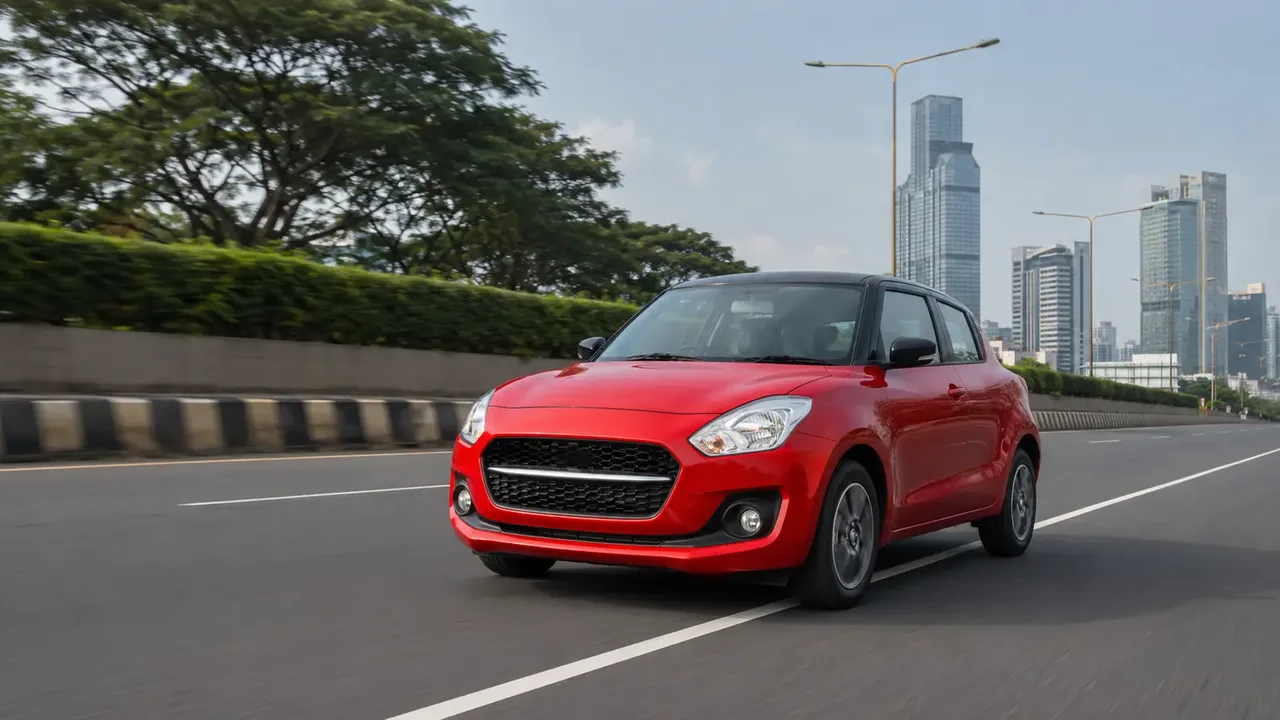
The Swift changed that. It was genuinely good-looking, with a distinctive shape that stood out against the sensible boxes surrounding it. It was fun to drive in a way small Indian cars simply hadn't been. And it was still a Maruti — reliable, efficient, cheap to run, and serviceable everywhere.
That combination — desirable and sensible — was new, and it's a lineage that runs directly to a car we have reviewed: the Renault 5, which our small-EV megatest praised for exactly the same achievement in a different market. Making affordable feel desirable rather than merely acceptable is a genuinely difficult trick.
What's improved in two decades
| 2005 Swift | Today's Swift | |
|---|---|---|
| Safety | basic by modern standards | substantially improved structure and equipment |
| Efficiency | good for its time | class-leading; CNG option available |
| Equipment | modest | touchscreen, connectivity, modern features |
| Refinement | acceptable | markedly better |
| Emissions | period standards | far cleaner |
| Weight | very light | heavier, though still light for its class |
The improvements are real and substantial, particularly in safety and efficiency. As our premium hatch comparison found, the modern Swift is simultaneously the most fun and the most efficient car in its class — because it remains the lightest, and lightness delivers both.
What the original had
An honest then-and-now needs this section, and there are two genuine losses:
1. Lightness — relatively speaking. The 2005 Swift was extraordinarily light, and every subsequent generation has gained mass for safety and equipment. The modern car is still light for its class — which is why it wins our comparison — but it's heavier than the original, and the same argument applies as with the Corolla: mass punishes braking, agility and tyre wear.
2. Simplicity. The original was mechanically straightforward and readily serviceable. Modern complexity has reduced that.
What hasn't been lost is character, and that's worth crediting. Many nameplates lose their essential quality across generations. The Swift is still recognisably the Swift — light, eager, characterful — which is why we placed it first in our premium hatch comparison.
The Indian context that shaped it
The Swift's Indian story is inseparable from three things:
1. Maruti's service network, built on the 800 (see our retrospective) and still India's largest — a decisive advantage we cite constantly in modern comparisons.
2. Running costs as the primary purchase criterion. Indian buyers have always prioritised economy, and the Swift delivered it without being joyless. The CNG option extends that further — our CNG comparison found the payback maths strongly favours it above 60 km/day.
3. Resale strength. Maruti's resale values are among the strongest in India, which as our comparisons repeatedly note is real money over an ownership cycle.
What the Swift's evolution teaches
1. Desirability and sense aren't opposites. The Swift proved an affordable small car could be wanted rather than merely accepted. Two decades later, the Renault 5 is being praised for exactly the same achievement in Britain — which suggests it's still rare and still valuable.
2. Character can survive generational change, if a manufacturer understands what the character actually is. The Swift's identity is lightness and eagerness, and Maruti has protected both.
3. Weight gain is universal and largely unavoidable. Every car has got heavier for good reasons. The manufacturers that manage it best keep their cars' essential nature intact — and the Swift is a good example.
4. Service networks compound over decades. Maruti's advantage today was built by the 800 in 1983 and reinforced by the Swift's popularity. That's not something a new entrant can shortcut, as our Lexus retrospective argued about brand standing generally.
The bottom line
The Swift arrived in 2005 and did something small Indian cars hadn't managed: it made affordability desirable. Good-looking, fun to drive, and still a Maruti in all the ways that mattered for ownership.
Two decades on it's safer, cleaner, better equipped, more refined and more efficient — genuinely improved on nearly every measure. It's heavier and more complex, as everything is, but it remains light for its class, which is precisely why it still wins comparisons on both enjoyment and economy.
The most impressive thing is that it's still recognisably itself. Many nameplates lose their essential quality across generations; the Swift hasn't. It's still the light, eager, characterful small car it was in 2005 — just considerably better at everything else.
That's how you evolve a car properly, and it's why the Swift remains India's favourite hatch.
Key takeaways
- The 2005 Swift did something new in India: it made an affordable small car genuinely desirable rather than merely sensible
- The same achievement earns the Renault 5 our praise in Britain twenty years later — which suggests it's still rare and still valuable
- Two decades on it's substantially safer, cleaner, better equipped, more refined and more efficient
- Two honest losses: it's heavier than the original (though still light for its class) and considerably more complex to service
- Most impressively, the character survived — it's still light, eager and recognisably the Swift, which is why it wins on both fun and economy
Sources & further reading
- Maruti Suzuki historical and current specifications
- Indian automotive history
Figures, prices and policy details were current at the last-updated date above. Automotive pricing, incentives and regulations change frequently — verify time-sensitive details against the primary sources listed below. Read our editorial policy and fact-checking standards.