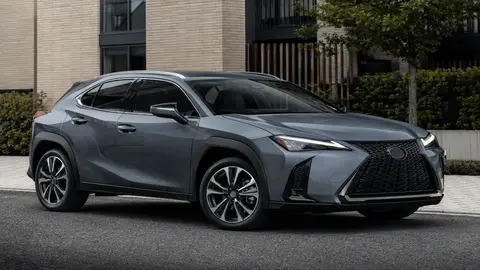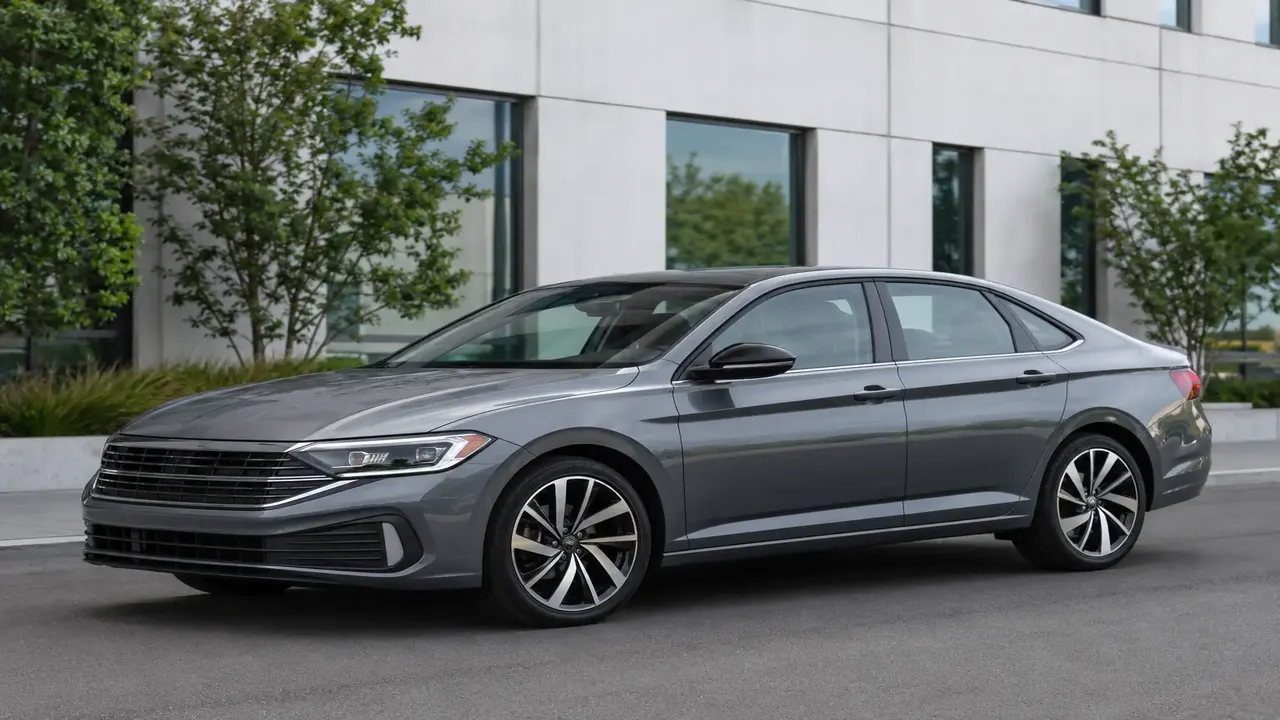
Leasing gives you use of a new car for a fixed period (usually 2–4 years) at lower monthly payments — but you never own the vehicle and always have a car payment. Financing (buying on a loan) means higher monthly payments in the short term but leads to ownership and eventually no payment. Leasing is cheaper per month. Financing is cheaper over a decade. The right choice depends on how often you want to change cars, how many miles you drive, and whether ownership matters to you.
True Motion Auto collects and presents information from official and primary sources (regulators, government bodies, lenders and insurers' published terms). This is general information, not personalised financial advice — check figures with the provider or a qualified adviser before acting. Jurisdiction: General — check your jurisdiction. Last checked: August 2026.
Editorial oversight: Vasudha Gupta, Editor.
Leasing vs financing compared
| Factor | Leasing | Financing (loan) |
|---|---|---|
| Monthly payment | Lower (typically 30–60% less) | Higher |
| Ownership at end | None — return the car | Full ownership |
| Mileage restrictions | Yes — typically 10,000–15,000 mi/yr | None |
| Customisation | Not permitted | No restrictions |
| Early exit | Expensive — early termination fees | Can sell or pay off anytime |
| Long-term cost | Perpetual payments if you always lease | Lower — no payment once loan ends |
What leasing actually is
When you lease a car, you pay to use it for a defined period and agreed mileage. At the end you hand it back. The monthly payment covers the car's depreciation during your lease plus a financing charge — not the full purchase price. Because you are paying only for a portion of the car's value (the depreciation), payments are materially lower than a purchase loan on the same vehicle.
In the US, leasing is offered directly by manufacturers via captive finance companies. In the UK, Personal Contract Hire (PCH) is the equivalent product for private individuals and is sometimes confused with PCP, but the key difference is that PCH has no option to buy the car at the end — it is a pure rental.
What financing is
Financing means borrowing to buy the car — via a bank loan, credit union loan, HP or PCP (if you pay the balloon). You pay interest and principal until the loan is cleared, at which point you own the vehicle outright with no more payments. Over a long enough time horizon — say ten years — financing is almost always cheaper, because leasing produces an endless payment stream.
The monthly payment gap explained
A $40,000 car financed over 48 months at 7% APR with 20% down produces a monthly payment of around $766. The same car leased for 36 months might carry a payment of $350–$500, depending on the residual value and money factor. The gap is real — and it is why leasing is so popular with buyers who prioritise monthly cash flow over long-term cost.
But the lease payment continues indefinitely if you always lease. After 48 months of financing, you make no more payments and own an asset. After 48 months of leasing, you hand back the car and begin another lease cycle. The cumulative cost difference over 8–10 years is often $5,000–$15,000 or more in favour of buying.
When leasing makes sense
- You want a new car every 2–3 years and are comfortable never owning.
- Your mileage is predictable and within typical allowances (10,000–15,000 miles/year US; 8,000–12,000 miles/year UK).
- You use the car for business and can deduct lease payments as a business expense.
- You want the latest safety and technology features without the residual risk of older vehicles.
- Cash flow is more important than total ownership cost.
When buying (financing) makes sense
- You plan to keep the car for five years or more — the crossover where financing becomes cheaper.
- Your mileage is high or unpredictable — excess mileage charges on a lease can be substantial.
- You want to customise or modify the vehicle.
- You want the freedom to sell at any time without early termination penalties.
- You are building long-term net worth — a paid-off car is an asset.
US leases use a 'money factor' instead of an APR. To convert: multiply the money factor by 2,400. A money factor of 0.00250 equals a 6% APR. Dealers are not required to disclose the money factor unprompted — ask for it and verify it matches the manufacturer's published rate for the month. A marked-up money factor adds hundreds to the total lease cost invisibly.
Tax considerations
In the US, business users can typically deduct a percentage of lease payments as a business expense — more straightforward than the depreciation rules for vehicle purchases. In the UK, PCH payments are similarly deductible for VAT-registered businesses (50% of the VAT for vehicles with any private use). Personal buyers in both markets generally receive no tax advantage for either product.
Frequently asked questions
Is it better to lease or buy a car?
What happens if I go over the mileage limit on a lease?
Can I end a lease early?
What is the difference between PCH and PCP in the UK?
Do I need a larger deposit to lease?
Sources & further reading
- Bankrate — Leasing vs Buying a Car
- NerdWallet — Car Lease vs Buy Calculator
- MoneySuperMarket — PCH vs PCP UK
Figures, prices and policy details were current at the last-updated date above. Automotive pricing, incentives and regulations change frequently — verify time-sensitive details with the linked primary sources. Read our editorial policy and fact-checking standards.