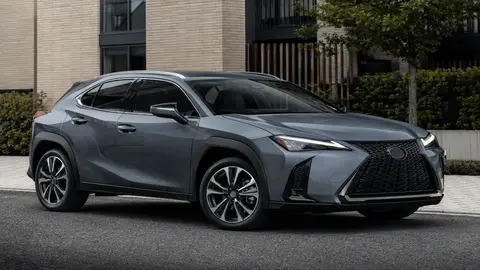
HP (Hire Purchase) finances the full car price in equal monthly instalments — you own the car outright at the end. Payments are higher but the total cost is predictable. PCP (Personal Contract Purchase) has lower monthly payments because you only finance the depreciation, not the full price. At the end of the term you choose: pay a balloon payment (the Guaranteed Minimum Future Value) to own it, hand it back, or use any equity toward a new deal. PCP is cheaper per month but can cost more overall if you buy the car at the end. Rule of thumb: if you change cars every 3–4 years, PCP often makes sense. If you want to own the car long-term, HP is usually cheaper overall.
True Motion Auto collects and presents information from official and primary sources (regulators, government bodies, lenders and insurers' published terms). This is general information, not personalised financial advice — check figures with the provider or a qualified adviser before acting. Jurisdiction: General — check your jurisdiction. Last checked: August 2026.
Editorial oversight: Vasudha Gupta, Editor.
PCP vs HP at a glance
| Feature | HP (Hire Purchase) | PCP (Personal Contract Purchase) |
|---|---|---|
| What you finance | Full vehicle price | Depreciation only (price minus residual value) |
| Monthly payments | Higher | Lower |
| Balloon payment at end | No | Yes (GMFV) — optional to pay |
| Ownership | At end of term (final payment) | Only if balloon payment made |
| End-of-term options | Keep the car (automatic) | Pay balloon, hand back, or part-exchange |
| Mileage limit | Usually none | Yes — excess mileage charged at 6–30p/mile |
| Total cost if you own | Lower overall | Higher — depreciation + balloon + interest |
How HP works
Hire Purchase splits the car's price (minus deposit) into equal monthly payments over an agreed term, typically 24–60 months. A small option-to-purchase fee (often £1–£10) is paid at the end, at which point you own the car outright. There is no balloon payment and no residual value to worry about.
HP is straightforward: you know the total cost at the outset, your payments never change, and at the end you simply own the car. It suits buyers who want long-term ownership, high-mileage drivers who exceed typical mileage limits, and those who want to modify or personalise the vehicle during the finance term. The main downside is that monthly payments are higher than PCP for the same car, because you are repaying the full price.
How PCP works
PCP is more complex. The lender sets a Guaranteed Minimum Future Value (GMFV) for the car at the end of the agreed term — an estimate of what the car will be worth. You pay monthly instalments that cover the car's depreciation (the difference between the purchase price and GMFV) plus interest. The GMFV itself is not part of the monthly payments.
At the end of the term you have three choices:
- Pay the balloon (GMFV): you pay the lump sum and own the car outright. This is often done with savings or by refinancing the balloon separately.
- Hand the car back: if you have kept within the mileage limit and fair wear-and-tear standard, you hand the keys back and owe nothing more. This is effectively a long-term rental.
- Part-exchange / upgrade: if the car is worth more than the GMFV, the difference is equity you can use as a deposit on your next PCP.
Monthly payment comparison
On the same car, PCP monthly payments are typically 20–40% lower than HP payments. This is the core appeal — but it is critical to understand that lower monthly payments do not mean lower cost. If you pay the balloon and own the car, you have paid more in total than you would have with HP, because you also paid interest on the balloon amount throughout the term without reducing it.
| Scenario (illustrative) | HP | PCP (hand back) | PCP (buy at end) |
|---|---|---|---|
| £25,000 car, 10% deposit, 48 months, ~8% APR | ~£549/mo | ~£407/mo | ~£407/mo + ~£8,000 balloon |
| Total paid (incl. £2,500 deposit) | ~£28,866 + fees | ~£22,051 (no ownership) | ~£22,051 + £8,000 balloon = ~£30,051 |
| Own car at end? | Yes | No | Yes — at higher total cost |
These are illustrative figures. Actual GMFV, rate and payments vary by car, mileage and lender.
Mileage limits and condition standards
PCP agreements specify an annual mileage allowance — commonly 8,000–15,000 miles per year. Exceeding it typically costs 6p–30p per additional mile, which can add hundreds or thousands of pounds at handback. HP has no mileage restriction, making it better for high-mileage users.
When returning a PCP car, it is assessed against the BVRLA (British Vehicle Rental and Leasing Association) fair wear-and-tear standard. Damage beyond fair wear — chips, dents, interior stains — is chargeable. HP cars belong to you; condition is your own concern.
In 2024–2026, the FCA investigated historic discretionary commission arrangements (DCA) in car finance, particularly affecting PCP and HP agreements sold before January 2021. If you took out a PCP or HP deal during this period and the commission was not properly disclosed, you may be entitled to redress. Check the FCA's guidance and your lender's claims process.
Which to choose
- Choose PCP if: you change cars every 2–4 years, have predictable mileage, want the lowest monthly cost, and are comfortable not owning the car during the term.
- Choose HP if: you want to own the car long-term, drive high mileage, want to modify the vehicle, or prefer a simpler product with a predictable total cost.
- Avoid PCP if: your mileage is unpredictable or likely to exceed the limit, or if you cannot easily fund the balloon payment if you decide to buy.
Frequently asked questions
Is PCP or HP cheaper overall?
What happens at the end of a PCP contract if I cannot afford the balloon?
Can I end a PCP or HP early?
Do I own the car on HP?
What is the GMFV in a PCP?
Sources & further reading
- MoneySuperMarket — PCP vs HP Car Finance
- Experian UK — PCP vs HP Comparison
- FCA — Motor Finance Review
Figures, prices and policy details were current at the last-updated date above. Automotive pricing, incentives and regulations change frequently — verify time-sensitive details with the linked primary sources. Read our editorial policy and fact-checking standards.