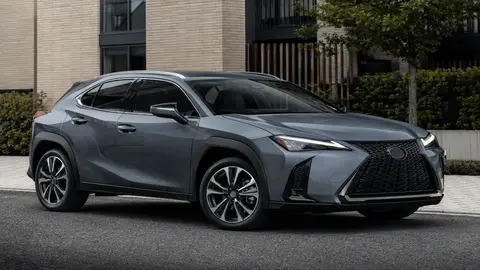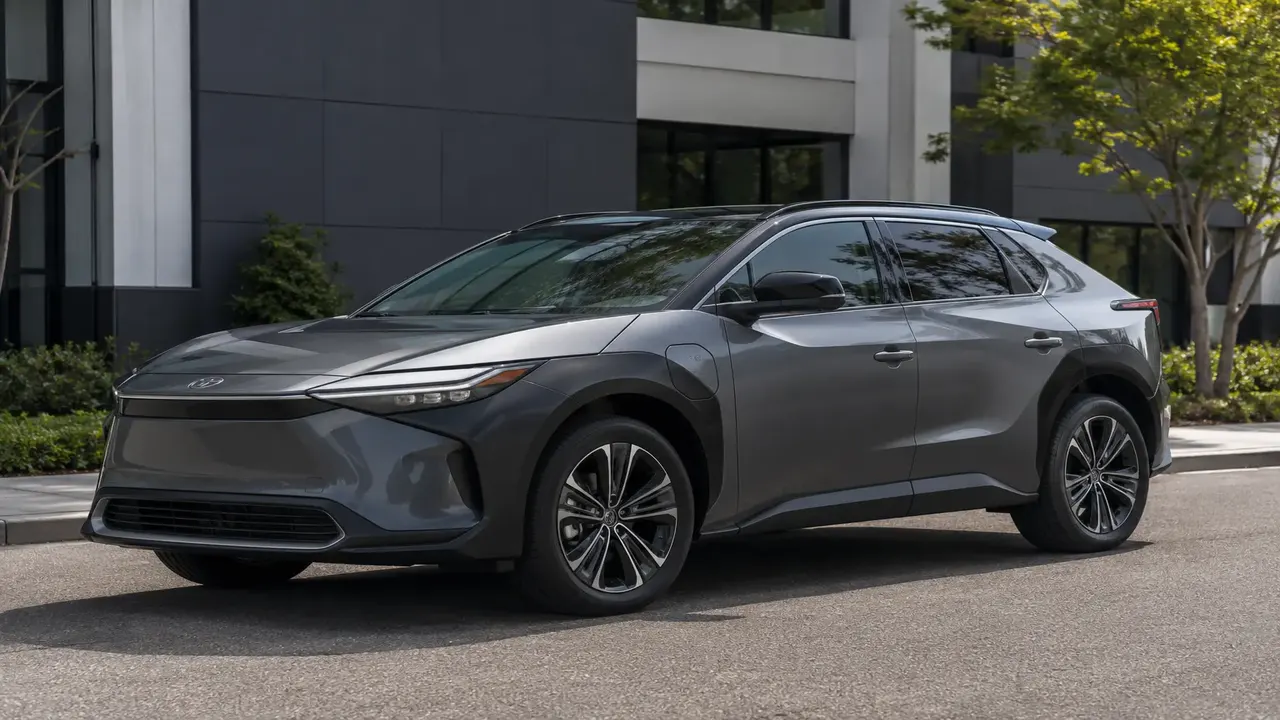
When you lease a car you are paying to use it for a fixed term — typically 2–4 years — not to own it. Your monthly payment covers the depreciation the car suffers during your lease, plus a finance charge (called the money factor), plus taxes and fees. At the end you hand the car back, buy it at a pre-agreed price, or start a new lease. Because you only pay for the portion of the car's value you consume, monthly payments are usually lower than a purchase loan on the same vehicle — but you build no equity and face mileage and condition penalties.
True Motion Auto collects and presents information from official and primary sources (regulators, government bodies, lenders and insurers' published terms). This is general information, not personalised financial advice — check figures with the provider or a qualified adviser before acting. Jurisdiction: General — check your jurisdiction. Last checked: August 2026.
Editorial oversight: Vasudha Gupta, Editor.
Car lease at a glance
| Element | What it means | Typical range |
|---|---|---|
| Lease term | How long you keep the car | 24–48 months (36 most common) |
| Capitalised cost | Negotiated price of the car (like the purchase price) | Negotiable — always negotiate |
| Residual value | Predicted value at lease end, set by the lender | 45–65% of MSRP for 3-yr lease |
| Money factor | Finance charge expressed as a tiny decimal | Multiply × 2,400 to get APR equivalent |
| Mileage allowance | Annual miles/km included; excess charged per unit | US: 10k–15k mi/yr; UK: 8k–15k mi/yr |
| Disposition fee | Charged if you return the car and don't re-lease | US $300–$500; UK varies by lender |
The core mechanics of a car lease
A car lease is a long-term rental agreement between you (the lessee) and a finance company (the lessor), usually the manufacturer's own finance arm or a bank. You never own the car — the lessor does — but you have the right to drive it within agreed limits for the lease term.
The monthly payment is calculated from three numbers: the capitalised cost (the agreed price of the car, reduced by any deposit or trade-in), the residual value (what the lender predicts the car will be worth at lease end), and the money factor (the finance charge). The difference between the cap cost and the residual is the depreciation you repay. The money factor adds interest on top. That is the entire structure.
Residual value: the number that drives your payment
Residual value is set by the lender, not by you or the dealer, and it has the single biggest effect on your monthly payment. A high residual means the car is predicted to hold its value well, so you repay less depreciation — payments are lower. A low residual means the opposite. Manufacturers sometimes boost residuals artificially as a sales incentive, which is why lease deals on some models are far more attractive than others even at the same MSRP.
Residuals are expressed as a percentage of MSRP. A 3-year lease on a car with a 55% residual and a $40,000 MSRP means you are financing $18,000 of depreciation (plus finance charges), not the full $40,000.
Money factor: the lease interest rate in disguise
Lenders quote the finance charge as a money factor — a small decimal such as 0.00125. To convert it to an approximate APR, multiply by 2,400. So 0.00125 × 2,400 = 3.0% APR equivalent. You can negotiate the money factor at some lenders, though manufacturer programmes have fixed rates. Always convert and compare to loan APRs before assuming a lease is cheaper overall.
What you pay at signing and monthly
Upfront costs typically include a first month's payment, a refundable security deposit (waived by many lenders), acquisition fee ($500–$1,000 in the US; arrangement fee in the UK), registration, and any dealer fees. A larger initial payment (called a cap cost reduction or initial rental in the UK) lowers monthly payments but does not reduce the total you pay — and is not refunded if the car is written off early.
If the car is stolen or written off, standard insurance pays market value — which may be less than the remaining balance you owe the lessor. Gap (Guaranteed Asset Protection) cover bridges that difference. Many leases include it; check before you sign.
End-of-lease options
At the end of the term you normally have three choices:
- Hand the car back — the most common choice. You pay any excess mileage charges and a disposition/turn-in fee if applicable, and walk away.
- Buy the car at the residual price — useful if the car is worth more than the residual on the open market (common in periods of high used-car prices).
- Start a new lease — most manufacturers make this easy, sometimes waiving end-of-lease fees as an incentive.
Mileage and condition rules
Excess mileage is the most common end-of-lease cost surprise. Charges run roughly $0.10–$0.30 per mile over the allowance in the US; £0.05–£0.20 per mile in the UK. If you regularly drive more than the allowance, negotiate a higher mileage limit upfront — it is cheaper than paying penalties at the end.
The car must be returned in reasonable condition for its age. Normal wear — minor scuffs, small stone chips — is accepted. Damage beyond that is charged at repair rates, which are rarely cheap. Some lenders offer an end-of-lease inspection service a few weeks before return so you can fix issues yourself first.
Is leasing available outside the US?
UK: Personal Contract Hire (PCH) and Business Contract Hire (BCH) are the UK equivalents of a US closed-end lease. Personal Contract Purchase (PCP) is a related product that includes an optional balloon purchase. All are regulated by the FCA and the Consumer Credit Act 1974.
India: Structured car leasing for individuals is limited but growing. Manufacturers such as Maruti, Hyundai and Tata offer lease programmes primarily aimed at corporate customers and fleet buyers. Individual consumers in India more commonly use hire purchase or regular car loans through banks and NBFCs.
Who leasing works best for
- Drivers who want a new car every 2–3 years without the hassle of selling
- Businesses that can deduct lease payments as an operating expense
- People who drive predictable annual mileage within the allowance
- Those who prioritise lower monthly payments over equity building
- EV drivers wanting to avoid battery-depreciation risk on an owned vehicle
If you drive high mileage, modify vehicles, plan to keep a car long-term (5+ years), or want to build equity, a purchase loan or outright buy typically costs less over time than back-to-back leases.
Frequently asked questions
Can I end a car lease early?
Does leasing affect my credit score?
Can I negotiate a lease?
What happens if I exceed the mileage limit?
Is leasing or buying better in 2026?
Sources & further reading
- Consumer Financial Protection Bureau — Auto Loans and Leasing
- FCA — Consumer Credit and Motor Finance
Figures, prices and policy details were current at the last-updated date above. Automotive pricing, incentives and regulations change frequently — verify time-sensitive details with the linked primary sources. Read our editorial policy and fact-checking standards.