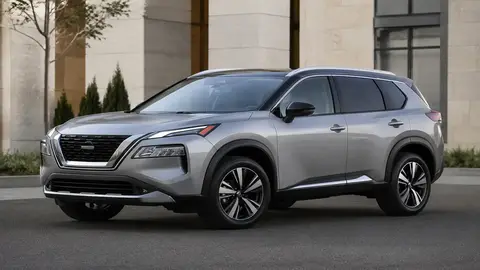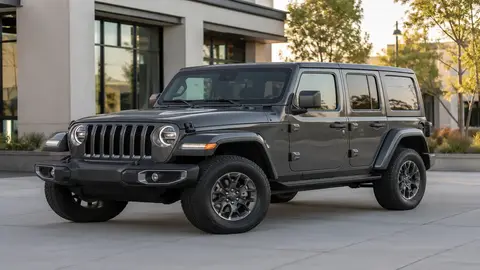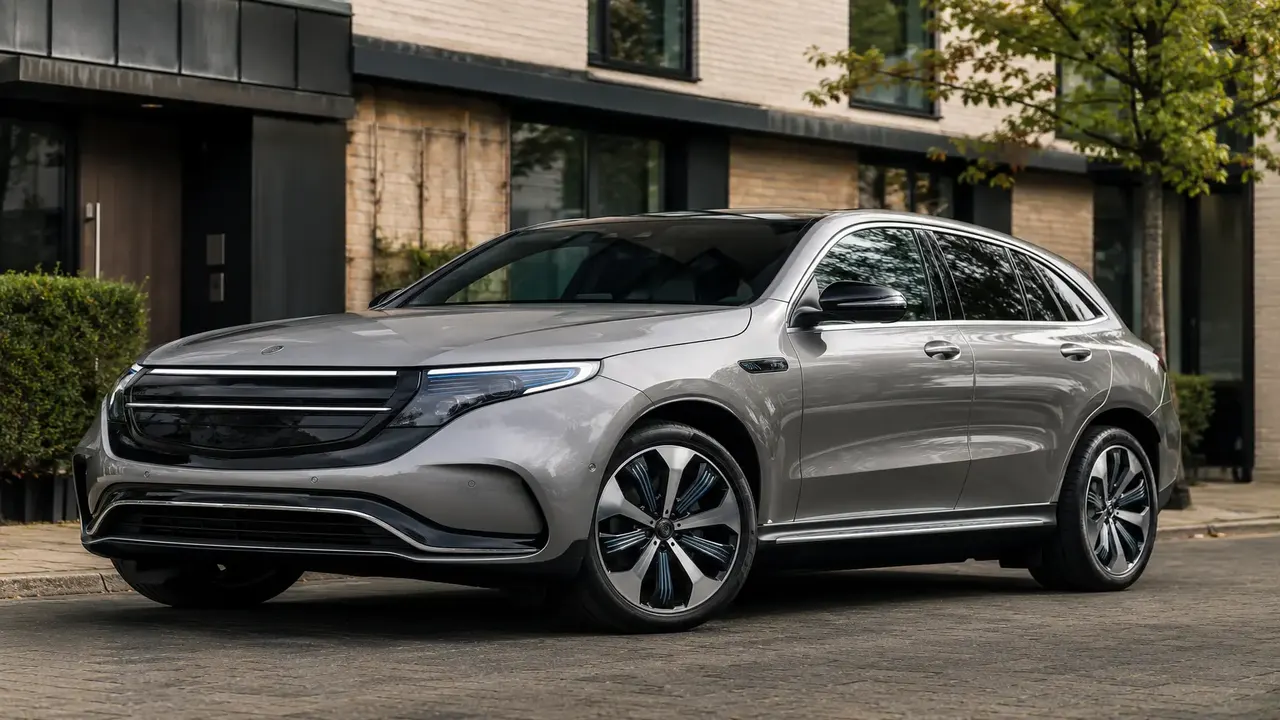
Personal auto insurance does not cover vehicles used for business. If your vehicle earns money — carrying goods, passengers or tools for work — you need a commercial auto policy. Fleet insurance covers multiple business vehicles under one policy, usually at a lower per-vehicle cost than insuring each individually. Fleet discounts typically kick in at 3–5 vehicles in the US and UK; in India, fleet policies are common from 2–3 vehicles onward.
True Motion Auto collects and presents information from official and primary sources (regulators, government bodies, lenders and insurers' published terms). This is general information, not personalised financial advice — check figures with the provider or a qualified adviser before acting. Jurisdiction: General — check your jurisdiction. Last checked: August 2026.
Editorial oversight: Vasudha Gupta, Editor.
Commercial and fleet insurance at a glance
| Policy type | Best for | Typical annual cost (US) | Key feature |
|---|---|---|---|
| Commercial auto (single vehicle) | One business vehicle / sole trader | $1,200–$3,500 | Business use covered; higher liability limits |
| Fleet policy (3–10 vehicles) | Small business fleet | $800–$2,500 per vehicle | Consolidated billing, fleet discount |
| Large fleet (10+ vehicles) | Courier, logistics, taxi operators | Negotiated per vehicle | Risk management programs, telematics |
| Any-driver fleet | High-turnover staff or hire fleets | Higher premium | No named-driver restriction |
Why personal insurance is not enough for business vehicles
Standard personal auto policies contain a business-use exclusion. If you are delivering goods, transporting clients or driving to multiple job sites — even occasionally — and you have an accident, your personal insurer can deny the claim on the grounds that the vehicle was being used commercially. The exclusion is enforceable and widely used.
The distinction matters most in three situations: sole traders using their own car for work, businesses with company vehicles, and gig economy drivers (covered separately in the rideshare and delivery articles).
What commercial auto insurance covers
- Liability: bodily injury and property damage to third parties — typically at higher limits than personal policies, because business use carries higher exposure.
- Collision and comprehensive: damage to the vehicle itself from accidents, theft, weather and other causes.
- Cargo / goods in transit: damage to goods being transported (often a separate extension or standalone policy).
- Hired and non-owned auto: covers vehicles hired or borrowed by the business that are not on the policy.
- Uninsured/underinsured motorist: protection if a third party without adequate insurance hits a company vehicle.
Fleet insurance: how it works and when it makes sense
A fleet policy insures multiple vehicles under a single contract with one renewal date and one premium. The main advantages:
- Cost: fleet premiums per vehicle are generally lower than insuring the same vehicles separately, especially for clean fleets.
- Administration: one policy, one renewal, one point of contact.
- Flexibility: adding or removing vehicles mid-term is straightforward.
- Any-driver option: many fleet policies allow any qualified employee to drive any vehicle, removing the administrative burden of listing named drivers.
Fleet discounts typically become meaningful at 3–5 vehicles in the US and UK. Below that threshold, individual commercial policies may be more competitive — it is worth comparing both.
Factors that drive fleet premiums
- Claims history: the fleet's loss ratio (claims paid vs. premiums received) is the biggest single driver. A poor three-year claims record can push premiums up 30–50%.
- Vehicle type and value: heavier or more valuable vehicles cost more to insure per unit.
- Driver demographics: average driver age, licence tenure and individual driving records all feed into the premium.
- Use type: local delivery has different risk than long-haul haulage or passenger transport.
- Telematics: most UK and US insurers now offer lower rates for fleets using GPS telematics — real-time data demonstrating safe driving directly reduces the perceived risk.
Fitting a fleet with telematics (GPS tracking, driver behaviour scoring) is the single most effective way to reduce commercial insurance premiums over time. Insurers reward fleets with low harsh-braking and harsh-acceleration scores. Several major UK fleet insurers now require telematics for new fleet policies; in the US it is encouraged rather than mandatory but often produces 10–20% discounts.
India: commercial and fleet insurance under IRDAI
In India, commercial vehicles must carry third-party (TP) liability insurance under the Motor Vehicles Act, 1988 — without exception. IRDAI sets the TP premium tariff by vehicle type and gross vehicle weight. Comprehensive cover adds own-damage protection and is strongly advisable for higher-value fleet assets. Fleet policies (from 3+ vehicles) are offered by all major general insurers including New India Assurance, United India and private players. India's IRDAI introduced a 'pay as you drive' commercial option in 2023 which is now being expanded, allowing premium to be linked to actual km driven — relevant for urban delivery fleets with variable activity.
Reducing commercial fleet costs: practical steps
- Install telematics on every vehicle and share data with the insurer.
- Run annual driver licence checks and exclude high-risk drivers before renewal.
- Implement a formal driver training and incident-reporting program — many insurers reduce premiums for documented safety programs.
- Review vehicle mix annually: an ageing high-value vehicle may cost more to insure than it is worth keeping.
- Consolidate renewals onto one date to give maximum negotiating leverage.
- Compare fleet brokers rather than going direct — fleet insurance is a specialist market where a good broker often secures meaningfully better terms.
Frequently asked questions
Does a company car need commercial or personal insurance?
How many vehicles do I need to get fleet insurance?
What is 'any driver' fleet cover?
Does fleet insurance cover personal use of company vehicles?
How does a telematics program reduce fleet premiums?
Sources & further reading
Figures, prices and policy details were current at the last-updated date above. Automotive pricing, incentives and regulations change frequently — verify time-sensitive details with the linked primary sources. Read our editorial policy and fact-checking standards.