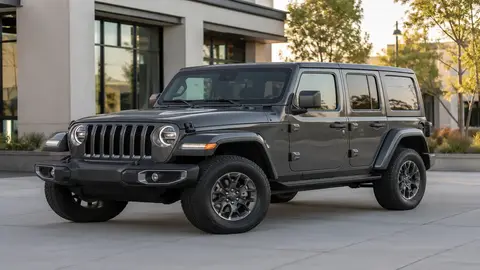
Uber and Lyft provide $1 million in primary liability during active trips (Period 3), but during Period 1 — when the app is on and you are waiting for a match — they provide only minimal liability with no collision or comprehensive. Your personal policy covers nothing during any app-on phase. A rideshare endorsement ($100–$300/year) or a rideshare-specific policy closes this gap for about $8–$25 per month extra.
True Motion Auto collects and presents information from official and primary sources (regulators, government bodies, lenders and insurers' published terms). This is general information, not personalised financial advice — check figures with the provider or a qualified adviser before acting. Jurisdiction: General — check your jurisdiction. Last checked: August 2026.
Editorial oversight: Vasudha Gupta, Editor.
Rideshare coverage by period (US, 2026)
| Period | App status | Platform liability | Platform collision/comp | Personal policy |
|---|---|---|---|---|
| Period 0 | App off | None | None | Full coverage (normal) |
| Period 1 | App on, awaiting match | Minimal (~$50K/$100K/$25K) | None | Excluded |
| Period 2 | Matched, driving to pickup | $1M primary liability | Yes (with deductible) | Excluded |
| Period 3 | Passenger in car | $1M primary liability | Yes (with deductible) | Excluded |
How Uber and Lyft coverage actually works
Both Uber and Lyft divide a driver's working time into three periods, and insurance coverage changes at each boundary. Understanding the periods is the foundation of understanding rideshare insurance.
During Periods 2 and 3 — once you have accepted a trip — both platforms provide $1 million in primary commercial liability, plus collision and comprehensive coverage subject to a deductible (typically $1,000–$2,500). That is solid coverage for active trips.
Period 1 is the problem. When the app is on but you have not yet been matched, Uber and Lyft provide only contingent, minimal liability: in most US states, $50,000 per person, $100,000 per incident and $25,000 for property damage. There is no collision, no comprehensive. And your personal policy excludes the entire app-on period.
Why Period 1 matters more than you might think
Drivers spend a significant fraction of their working time in Period 1 — particularly in slower markets, between surge periods, or when deadheading back from a drop-off. An accident during Period 1 means relying on the platforms' minimal liability limits, with no vehicle repair coverage and likely no personal policy backup. For a newer or financed vehicle, this is a substantial uninsured risk.
Rideshare endorsements: the standard fix
A rideshare endorsement is an add-on to your existing personal auto policy that explicitly extends coverage to include app-on driving (Period 1 and, in some policies, all rideshare phases). It is not a separate policy — it works alongside your personal policy to fill the gap the platform leaves.
- Cost: typically $100–$300 per year in the US, or $6–$25 per month. The most cost-effective solution for part-time drivers.
- Coverage: bridges the Period 1 gap, ensuring collision and comprehensive coverage applies when you are waiting for a match.
- Availability: State Farm Drive Safe & Save, Progressive, Geico, Allstate, USAA and others all now offer rideshare endorsements. Availability varies by state.
Rideshare-specific policies: for full-time drivers
If rideshare driving is your primary income, a dedicated commercial or rideshare-specific policy may be a better foundation than layering an endorsement on a personal policy:
- Commercial auto policy: covers all phases of rideshare driving explicitly, typically at $200–$400 per month. Designed for Uber Black, Uber SUV and full-time livery drivers.
- Rideshare-specific products: some states have insurer-designed rideshare policies (e.g., Erie Insurance's rideshare policy, available in select states) that blend personal and commercial cover cleanly without the period ambiguity.
- Tesla Insurance (where available): if you drive a Tesla for rideshare, Tesla's own insurance product incorporates real-time driving data and is often competitive for full-time drivers.
Failing to disclose rideshare activity to your personal insurer is a material non-disclosure. Most insurers will not cancel your policy for rideshare driving — they will offer an endorsement or refer you to a specialist. But if you have an accident during app-on time and your insurer finds out you were driving for hire without disclosing it, the claim can be denied and the policy cancelled.
UK: private hire and public hire licensing
In the UK, rideshare drivers require a private hire vehicle (PHV) licence from their local council and must hold hire-and-reward insurance. Personal motor insurance explicitly excludes any use of the vehicle for hire — including Uber. Uber provides third-party liability for licensed drivers during active trips, but the responsibility for maintaining proper PHV insurance falls on the driver. Specialist insurers (Zego, Bolt Insurance, insurtech platforms) offer annual and pay-as-you-go PHV cover. Uber UK mandates that drivers carry appropriate private hire insurance as a condition of the platform licence.
Deductibles and the vehicle financing problem
Platform collision coverage in Periods 2 and 3 comes with a deductible — $1,000–$2,500 depending on the platform and state. If your car is financed, your lender requires gap coverage and may also impose minimum deductible requirements. A rideshare endorsement with lower deductibles can be meaningfully better than relying on the platform's collision coverage, particularly for newer or more expensive vehicles.
Frequently asked questions
Does my personal car insurance cover me when I drive for Uber or Lyft?
What is the cheapest way to get rideshare insurance?
Does Uber provide insurance for its drivers?
Do I need different insurance to drive Uber Black or Lyft Lux?
What happens to my insurance if I have an accident during Period 1?
Sources & further reading
Figures, prices and policy details were current at the last-updated date above. Automotive pricing, incentives and regulations change frequently — verify time-sensitive details with the linked primary sources. Read our editorial policy and fact-checking standards.