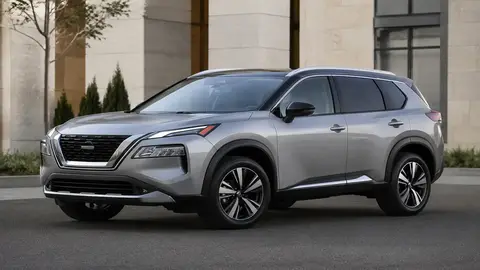
You need: vehicle details (make, model, year, VIN/reg), driver details (full name, date of birth, licence type, years licensed), driving history (accidents, claims and violations — typically 3–5 years), annual mileage estimate and current coverage if you're switching. Missing or inaccurate details can void a policy or get a claim denied — insurers check your records at claim time, not just at quote time.
Information checklist for a car insurance quote
| Category | Specific details needed | Where to find them |
|---|---|---|
| Vehicle | Make, model, year, trim, VIN (US) or reg number (UK) | Dashboard sticker / V5C / RC book |
| Vehicle use | Annual mileage; commute or pleasure; business use? | Odometer; fuel records |
| Your details | Full legal name, DOB, address, licence number | Driving licence |
| Licence history | Years licensed; licence type (full, provisional, learner) | Driving licence |
| Driving history | Claims, accidents, convictions — 3–5 years | Previous insurer / DVLA / DMV |
| Parking | Overnight: garage, driveway, street, car park | Your judgement |
| Other drivers | Same details for anyone who regularly drives the car | Their driving licences |
| Current policy | Provider, coverage level, expiry date, no-claims years | Your renewal notice / certificate |
Why accuracy matters more than you might think
Quotes are generated from the information you provide. Insurers verify the key facts — driving history, licence details, vehicle data — at the point of a claim, not when you buy. A claim can be declined if the details differ materially from what was declared. This isn't hypothetical: UK courts and regulators regularly uphold claim denials based on 'material misrepresentation', even when the error was unintentional.
Vehicle information
VIN (US) and registration number (UK/India)
Your Vehicle Identification Number (VIN) is a 17-character code found on the driver's side dashboard (visible through the windscreen) and on the door jamb sticker. In the UK, your registration (number plate) is sufficient for the insurer to look up your vehicle from the DVLA database. In India, the vehicle registration certificate (RC) contains all the details an insurer needs.
- Confirm the trim level — same model, different trim can have different insurance group ratings.
- Declare any modifications to the car: aftermarket wheels, audio, performance parts. Undeclared mods can void cover.
- Check whether the car is financed or leased — lenders typically require comprehensive cover.
Driver information
Who counts as a regular driver?
List anyone who uses the car more than occasionally — not just the named policyholder. A spouse, parent or adult child who drives the car several times a week must be listed. 'Fronting' — where a high-risk driver is listed as an additional driver but is actually the main user — is insurance fraud and voids the policy.
- Years of licence and type (full UK licence vs. provisional; US licence class).
- Occupation: some jobs carry higher risk in insurer pricing models.
- Years at current address (stability indicator some insurers use).
Driving history — the most sensitive section
Be precise about:
- At-fault accidents: date, approximate claim amount, whether you were the driver.
- Claims on your current policy: even if someone else was at fault, claims count.
- Driving convictions / endorsements: in the UK, SP30 (speeding), IN10 (no insurance) etc. must be disclosed for the declared period. In the US, DUI/DWI, reckless driving and points on your licence are key.
- Non-motoring convictions: UK insurers can ask about any unspent conviction; answer honestly.
Mileage — don't guess low
Annual mileage is a major pricing variable: more miles means more exposure. Check your odometer and last year's MOT or service record to get an honest estimate. Declaring 6,000 miles when you drive 12,000 is a material misrepresentation; a claim after high-mileage use can be disputed. If you're unsure, round up slightly rather than down.
No-claims history
Years of claim-free driving earn a no-claims discount (NCD in the UK, often informally in the US). Have your no-claims certificate or renewal notice to hand. New insurers will ask you to prove the years — they're not simply transferred automatically.
Frequently asked questions
What happens if I give wrong information by accident?
Do I need to declare minor accidents that weren't my fault?
What is fronting and why is it a problem?
Is annual mileage verified?
Do I need the VIN for a quote, or just the registration?
Sources & further reading
- Progressive — What Information Is Needed for a Car Insurance Quote
- MoneySavingExpert — Car Insurance Information Checklist
Figures, prices and policy details were current at the last-updated date above. Automotive pricing, incentives and regulations change frequently — verify time-sensitive details with the linked primary sources. Read our editorial policy and fact-checking standards.