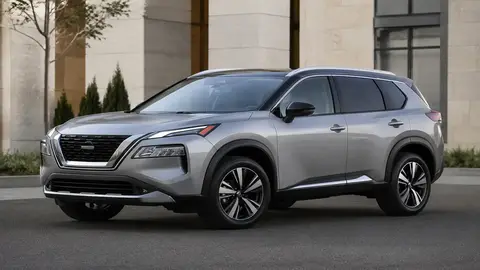
Standard car insurance is priced for average annual mileage (around 12,000–15,000 miles). If you drive significantly fewer miles, you are subsidising higher-mileage drivers. Low-mileage options include: pay-per-mile insurance (a base rate plus 2–10 cents per mile driven), usage-based policies that reward low mileage and safe driving, and standard policies with accurate low-mileage declarations that reduce the base premium. Pay-per-mile typically saves drivers covering fewer than 8,000 miles/year compared to a standard policy — the less you drive, the bigger the saving.
True Motion Auto collects and presents information from official and primary sources (regulators, government bodies, lenders and insurers' published terms). This is general information, not personalised financial advice — check figures with the provider or a qualified adviser before acting. Jurisdiction: General — check your jurisdiction. Last checked: August 2026.
Editorial oversight: Vasudha Gupta, Editor.
Low-mileage insurance options compared
| Policy type | How priced | Best for | Potential saving vs standard |
|---|---|---|---|
| Pay-per-mile | Base monthly rate + per-mile charge (2–10¢) | Under 8,000 miles/year | Often 20–40% for very low mileage |
| Usage-based (behaviour + mileage) | Score-based discount on standard premium | Safe drivers at any mileage | 10–40%; up to 50% on top programs |
| Standard with low-mileage declaration | Lower base premium for declared low mileage | Any driver declaring actual mileage | Modest (5–15% vs default estimate) |
| Classic/agreed-value policy | Flat rate for limited/pleasure use | Collector cars, occasional weekend use | Very low premium for very low use |
What counts as low mileage?
Most insurers in the UK use around 10,000–12,000 miles/year as a baseline. In the US the baseline is closer to 12,000–15,000 miles. If you drive significantly less — commuting only occasionally, retired, working from home, or using a second car rarely — you are paying for risk exposure you are not accumulating.
A rough threshold where specialist low-mileage options start making financial sense: under 8,000 miles/year in the US; under 7,000 miles/year in the UK.
Pay-per-mile insurance: how it works
Pay-per-mile policies (offered in the US by providers like Metromile, Mile Auto, and increasingly major carriers; in the UK through products from By Miles and others) charge a fixed monthly base rate that covers the car when it is parked, plus a small charge for each mile you actually drive. Typical US per-mile rates run 2–10 cents per mile. Total cost for a driver doing 4,000 miles/year at 5 cents/mile plus a $30/month base: around $440/year — a fraction of what many standard policies charge for the same vehicle.
Mileage is tracked via a small plug-in device (OBD-II) or smartphone app. Some providers cap the daily mileage charge so that occasional long drives do not spike your bill unexpectedly.
Usage-based insurance for low-mileage drivers
If you drive low mileage but want to stick with a major insurer, a telematics or usage-based policy achieves a similar result. Mileage is one factor in the score, so low-mileage drivers tend to score well simply by driving less. The behaviour factors (smooth braking, no phone use, etc.) are where you either reinforce or undermine the saving.
Standard policies: declare your accurate mileage
Even without switching to a specialist product, declaring your actual mileage accurately matters. Insurers ask for annual mileage when quoting. Many drivers default to saying 'about 10,000 miles' when they actually drive 5,000–6,000. Correcting this alone can reduce a standard premium by 5–15%, depending on the gap. Always be accurate — claiming significantly fewer miles than you drive can constitute misrepresentation and complicate a claim.
Classic and occasional-use policies
If you own a vehicle used purely for leisure or occasional weekend trips — a classic, a sports car, or a second vehicle rarely driven — classic car or agreed-value policies offer minimal annual premiums in return for mileage limits (typically 2,000–5,000 miles/year). These are not appropriate for vehicles used for any commuting or daily tasks.
If you take out a low-mileage or pay-per-mile policy and then drive more than declared, contact your insurer. Most allow adjustments mid-year. Driving over an agreed mileage limit without informing the insurer can affect a claim — do not ignore it if circumstances change.
Who benefits most from low-mileage cover
- Remote workers and home workers who have cut commuting significantly
- Retired drivers who use a car for shopping and occasional trips only
- Second-car owners where one vehicle does the bulk of the household mileage
- Seasonal drivers (snowbirds, summer-only drivers) — though check seasonal suspension options too
- Urban dwellers who walk, cycle, or use transit most of the time but own a car for flexibility
Frequently asked questions
Can I switch to pay-per-mile mid-policy?
Do pay-per-mile insurers cap the daily charge?
What if I drive more miles than I estimated?
Does pay-per-mile insurance still cover me when the car is parked?
Is low-mileage insurance a good option for seniors?
Sources & further reading
- Compare.com — Usage-Based Car Insurance 2026
- Yahoo Finance — What Is Usage-Based Insurance? How Telematics Can Lower Your Car Insurance Bill
- AAA Club Alliance — Usage-Based Insurance
Figures, prices and policy details were current at the last-updated date above. Automotive pricing, incentives and regulations change frequently — verify time-sensitive details with the linked primary sources. Read our editorial policy and fact-checking standards.