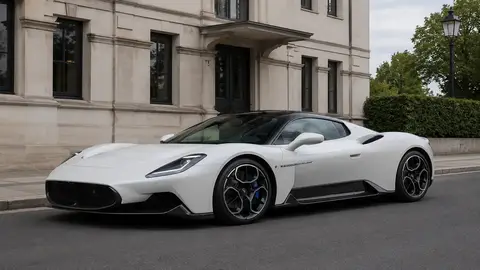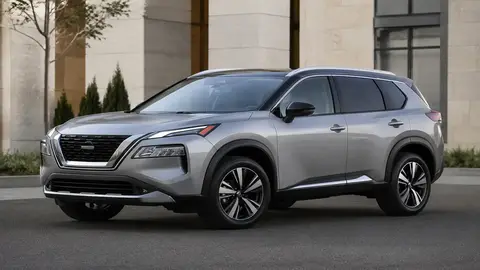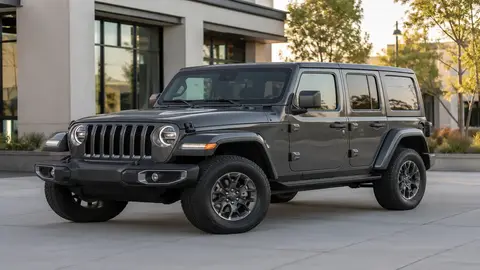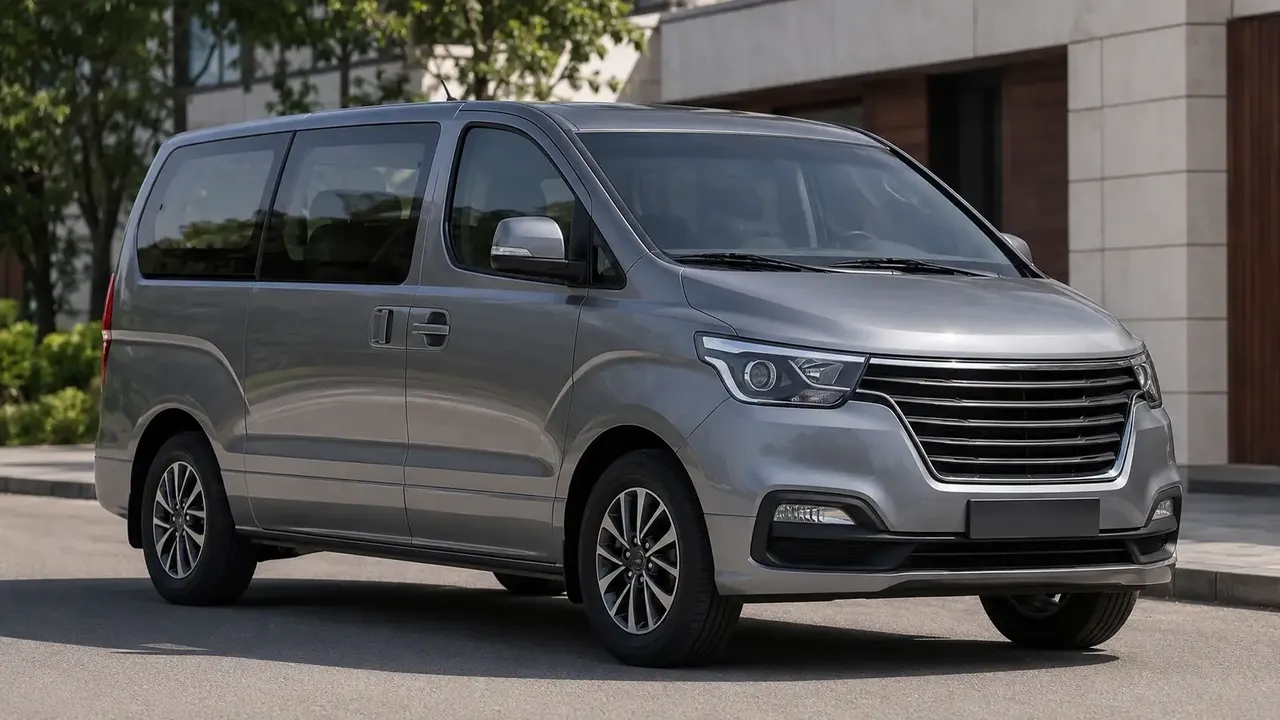
A multi-car policy insures two or more vehicles under a single policy with one renewal date, typically offering a discount of 10–25% on each vehicle compared with separate policies. It suits households with multiple cars and drivers, simplifies admin, and can allow each driver to accumulate their own no-claims bonus. It is not always cheaper — compare against individual policies, especially if one driver has a poor claims history that could affect the group rate.
True Motion Auto collects and presents information from official and primary sources (regulators, government bodies, lenders and insurers' published terms). This is general information, not personalised financial advice — check figures with the provider or a qualified adviser before acting. Jurisdiction: General — check your jurisdiction. Last checked: August 2026.
Editorial oversight: Vasudha Gupta, Editor.
Multi-car insurance at a glance
| Factor | Detail |
|---|---|
| Typical discount per vehicle | 10–25% vs. separate policies |
| Minimum vehicles | Usually 2; most policies cover up to 5–6 |
| One renewal date? | Usually yes — all cars renew together, simplifying admin |
| Separate no-claims bonuses? | Yes on most policies — each driver's NCD is independent |
| Can drivers differ per car? | Yes — each vehicle has its own named driver setup |
| Best for | Households with 2+ cars and multiple drivers |
| Potential downside | One high-risk driver can raise the whole household's rates |
What a multi-car policy actually is
A multi-car policy is a single insurance contract covering two or more vehicles registered to or regularly used by members of the same household. Rather than managing separate policies with different renewal dates, insurers and brokers bundle the vehicles together with one point of contact, one renewal, and — most importantly — a discount for each additional vehicle added.
Most UK and US insurers allow between 2 and 6 vehicles on one policy. The vehicles do not need to be the same type: a family saloon and a motorbike can often be included, though coverage terms for each vehicle type still apply.
How the discount works
Insurers offer a multi-car discount because bundling reduces administrative cost and signals lower risk (household policyholders tend to be more stable and engaged customers). Typical discounts range from 10% to 25% per vehicle, applied against what you would pay for each car individually. The exact saving depends on the insurer, the household risk profile, and the vehicles involved.
To find out if you are genuinely saving money, get individual quotes for each car and compare the total with the multi-car bundle price. Do this at each renewal — the gap between bundled and individual prices shifts as market rates move.
No-claims bonuses on a multi-car policy
Most multi-car policies maintain a separate no-claims discount (NCD) for each vehicle. This is an important feature: a claim on one car does not automatically wipe out the NCD on another. Each driver builds their own bonus history, which they can carry to a new policy if the household arrangement changes.
Not all policies handle NCD separately. Some cheaper multi-car products pool the claims history in ways that can penalise good drivers in the household when one person claims. Ask explicitly: 'If I claim on car A, does it affect car B's no-claims discount?'
Who benefits most from multi-car policies
- Households with two or more drivers who each have their own vehicle
- Families where a young driver's car is insured alongside a parent's — the parent's good record can anchor the group rate
- People who want one renewal date and one point of contact for all vehicles
- Drivers who switch cars in the household occasionally — some multi-car policies allow named drivers across all listed vehicles
When a multi-car policy might NOT be the cheapest option
Multi-car bundles are not automatically cheaper. Consider separate policies if:
- One driver has a recent claim or conviction that would push up the group rate significantly
- One vehicle is rarely used or driven very low mileage — a pay-per-mile policy for that car alone may beat the bundle
- You are at different renewal dates and switching all to one date would sacrifice a good individual renewal deal mid-term
- The youngest driver in the household qualifies for a specialist young driver policy (with black box) that undercuts the multi-car rate
How to set one up
Most major insurers and price-comparison sites allow multi-car quotes directly. You will need the registration, make, model, annual mileage, and main driver details for each vehicle. Add vehicles at any time — the premium is recalculated on a pro-rated basis for the remaining policy period. At renewal, reassess: loyalty rarely pays, so compare the bundle price against running separate policies again.
Frequently asked questions
Do all cars on a multi-car policy need to be at the same address?
Can motorbikes be included in a multi-car policy?
What happens if one driver has a claim?
Is there a minimum number of vehicles?
Can I add a new car mid-policy?
Sources & further reading
- Confused.com — Multi-Car Insurance
- Compare the Market — Multi-Car Insurance Guide
- NerdWallet UK — Young Driver and Named Driver Insurance
Figures, prices and policy details were current at the last-updated date above. Automotive pricing, incentives and regulations change frequently — verify time-sensitive details with the linked primary sources. Read our editorial policy and fact-checking standards.