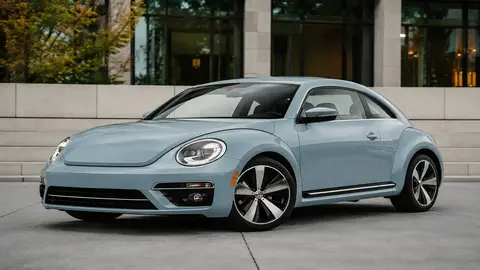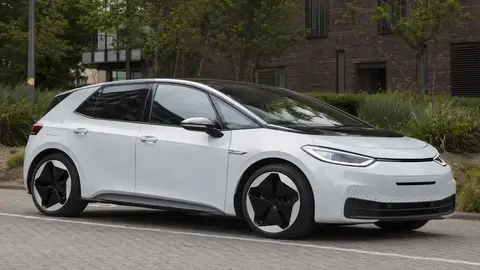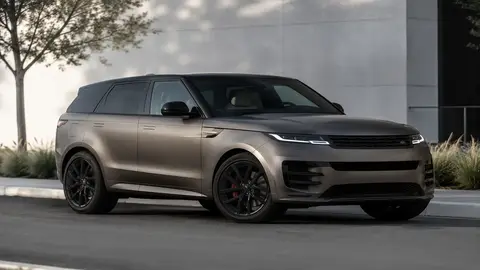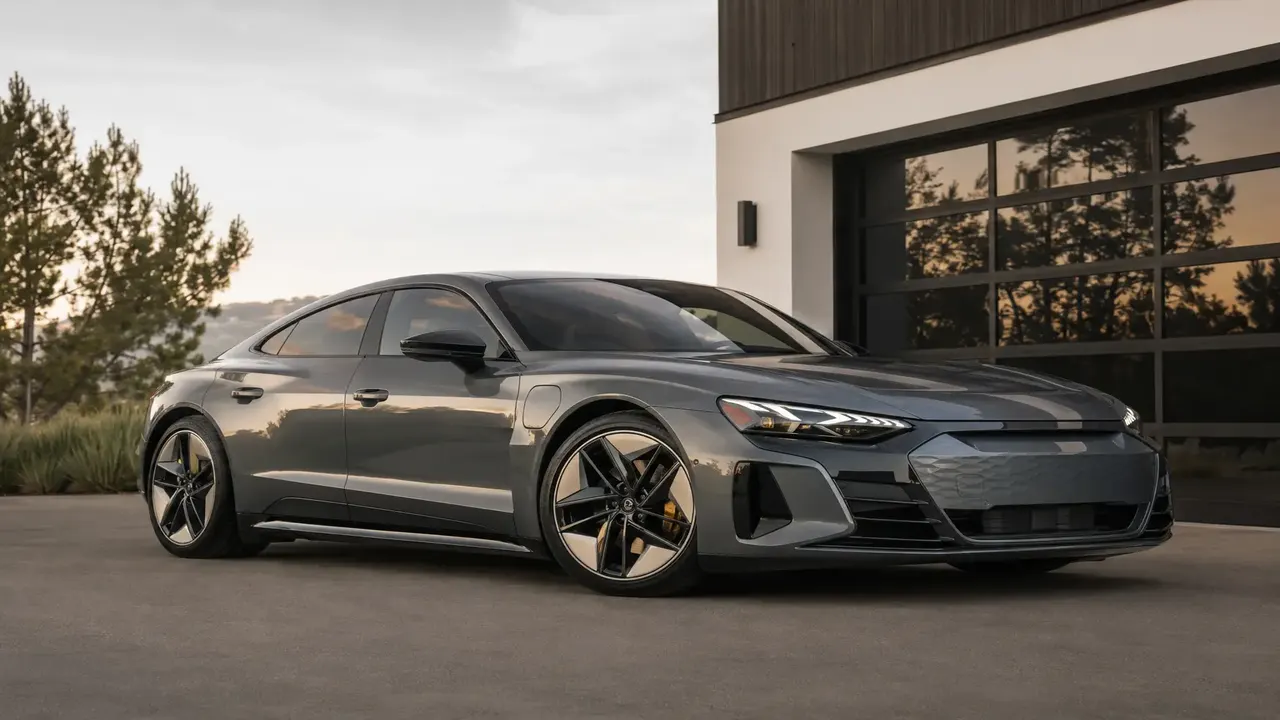
Guess the Car is a visual quiz where players identify a vehicle's make, model, and approximate model year from a cropped or partially obscured photo. Each round has 10 rounds, and points drop from a maximum of 5 points down to 1 point as you use up to 3 optional hints per round. Rounds pull from a rotating library of roughly 200 vehicle photos spanning multiple decades and body styles, so familiarity with only new cars won't be enough to top the board.
At a glance
| Element | Detail |
|---|---|
| Rounds per game | 10 |
| Max points per round | 5 (no hints used) |
| Hints available | Up to 3 per round, each reduces possible points by 1 |
| Photo library size | ~200 vehicles, rotating |
| Answer format | Make + model required; exact year within a 2-year range accepted |
How a round is scored
Each round shows a cropped, angled, or partially obscured photo — a tail-light detail, a dashboard shot, a three-quarter front view with the badge blurred. Guessing correctly with zero hints earns the full 5 points. Each hint used (a wider crop, a decade range, or a body-style clue) drops the maximum available score by one point, down to a floor of 1 point if you use all three hints and still answer correctly.
Hint types, in order
- Wider crop — reveals more of the vehicle in the same photo
- Era range — narrows the model year to a specific decade or half-decade
- Body style — confirms sedan, coupe, SUV, truck, hatchback, etc.
What counts as a correct answer
You need the make and model right; the model year is scored correct if you're within two years of the actual year, since minor mid-cycle refreshes can be visually indistinguishable even to enthusiasts. Trim level (e.g., LX vs. Sport) is never required.
Why the photo library spans decades
A library weighted only toward recent models would favor younger or more casual players over people with deep knowledge of older or discontinued vehicles. Mixing in classic and less common models keeps the game genuinely testing recognition skill rather than just recent-car familiarity, and it doubles as a fun way to learn about older vehicles.
| Era mix in a typical 10-round game | Approx. share |
|---|---|
| Last 5 model years | ~40% |
| 6-20 years old | ~35% |
| 20+ years / classics | ~25% |
Using all three hints on every round can still net a respectable score, but it will not put you near the top of the leaderboard — the highest scores come from confident, hint-free guesses.
How scoring feeds into the wider community system
Guess the Car points combine with EV Knowledge Quiz and trivia night results on the shared Quiz Champ Leaderboard, using the same rolling 30-day ranking window described in that leaderboard's own explainer page.
Frequently asked questions
Do I need to know the exact trim to get points?
Can I skip a round instead of guessing wrong?
Are the photos AI-generated or real?
How often does the photo library update?
Is there a mode for classic cars only?
Sources & further reading
- Pew Research Center — Social Media and Community Engagement
- Nielsen Norman Group — Gamification and UX Research
Figures, prices and policy details were current at the last-updated date above. Automotive pricing, incentives and regulations change frequently — verify time-sensitive details with the linked primary sources. Read our editorial policy and fact-checking standards.