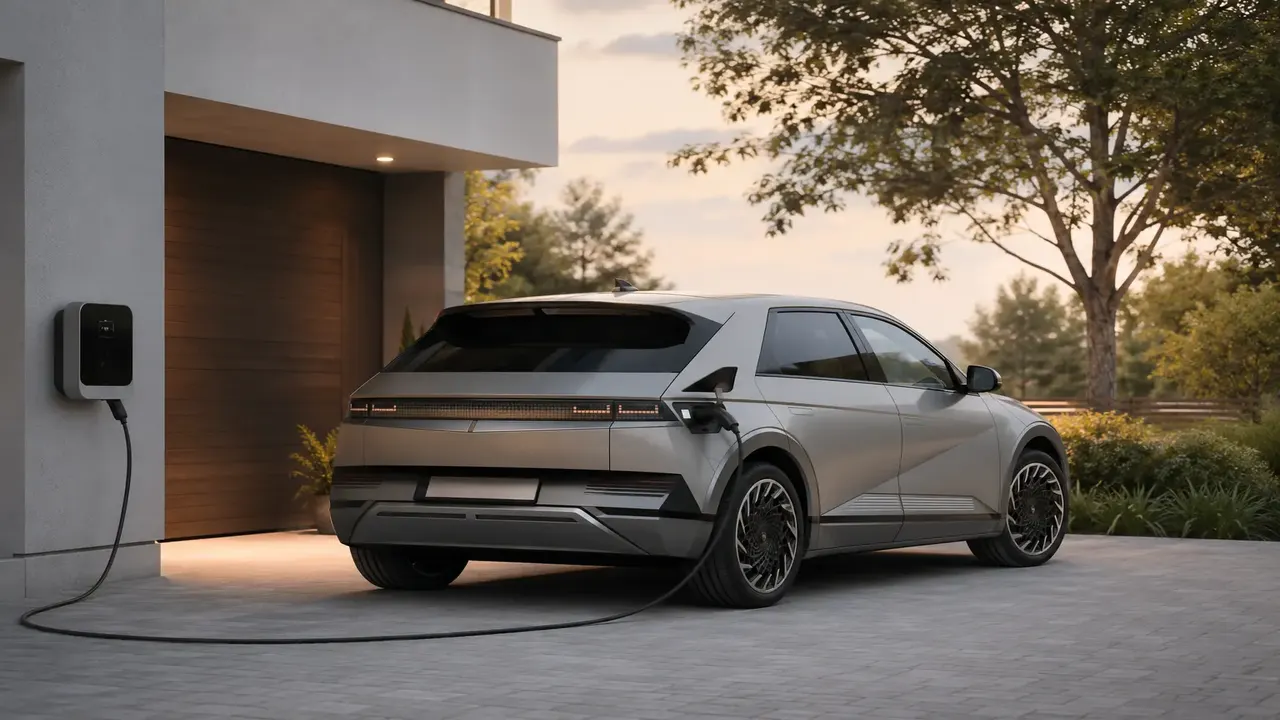
The Toyota Prius, Toyota Camry Hybrid, Toyota RAV4 Hybrid and Honda Accord Hybrid are consistently the most recommended used hybrids, combining strong long-term reliability with real-world fuel economy in the 45-55 mpg US (5.2-6.3 L/100km) range for the Prius and RAV4 Hybrid, and 40-47 mpg US for the Accord and Camry Hybrid. Hybrid batteries in these models commonly last well beyond 150,000-200,000 miles with normal use, and Toyota/Honda hybrid battery replacement costs have fallen with wider aftermarket and reconditioned-battery availability — typically $1,500-$4,000 depending on model and whether a new, reconditioned or aftermarket pack is used, far below early hybrid-era fears.
At a glance: used hybrids worth comparing
| Model | Typical used fuel economy | Reputation | Watch for |
|---|---|---|---|
| Toyota Prius | 50-55 mpg US (4.3-4.7 L/100km) | Very strong reliability record | High-mileage taxi/rideshare examples |
| Toyota Camry Hybrid | 44-47 mpg US | Strong reliability, roomier than Prius | Slightly higher purchase price used |
| Toyota RAV4 Hybrid | 38-41 mpg US | Strong reliability, SUV practicality | Popular model, less price flexibility |
| Honda Accord Hybrid/Insight | 42-48 mpg US | Good reliability, comfortable ride | Fewer used examples than Toyota rivals |
| Hyundai Ioniq/Ford Fusion Hybrid | 42-58 mpg US (varies) | Good value, lower resale demand | Fusion Hybrid production ended 2020 |
Why hybrid battery health is the central question
A used hybrid's mechanical drivetrain is generally simpler to live with than a comparable gasoline car — regenerative braking reduces brake wear, and the electric motor takes load off the engine at low speed. The one component unique to hybrids that buyers worry about is the traction battery pack, and it's a reasonable concern to check rather than fear.
Toyota and Honda hybrid batteries, in particular, have a strong track record: many Gen 2 and Gen 3 Prius examples are still running on original batteries well past 200,000 miles. When packs do need replacement, prices have dropped substantially from early estimates as reconditioned and aftermarket packs have become widely available, typically running $1,500-$4,000 installed depending on the model and pack source, compared with the $3,000-$6,000+ often quoted for a full new OEM pack a decade ago.
How to check hybrid battery health before buying
- Ask for a hybrid health check or battery diagnostic scan — many independent hybrid specialists and dealerships offer this for a modest fee.
- Watch the dashboard battery/charge indicator during a test drive for erratic behavior or a battery segment that never fills.
- Check whether the battery cooling fan/vents (often behind a rear seat panel) are clear of dust and debris, since overheating shortens battery life.
- Ask about service history for 12V auxiliary battery replacements — a healthy main hybrid battery can still be undermined by a neglected 12V battery causing hybrid system faults.
Comparing the main used hybrid choices
The Toyota Prius remains the reference point for hybrid reliability and efficiency, but its compact size and, on some generations, unconventional styling put off some buyers. The Camry Hybrid offers the same drivetrain philosophy in a larger, more conventional sedan body with only a modest fuel economy penalty. The RAV4 Hybrid extends that formula to a compact SUV, which explains its strong resale value and slightly higher used prices relative to the sedans.
Honda's Accord Hybrid and the discontinued Insight use a different hybrid architecture (two-motor system) that many owners and reviewers rate as smoother under acceleration than Toyota's setup, with reliability that's closely tracked Honda's strong non-hybrid Accord reputation. The Ford Fusion Hybrid and Hyundai Ioniq are worth considering for lower purchase prices, though both have smaller used markets and, in Fusion's case, ended production in 2020, which will gradually reduce parts availability and specialist familiarity over time.
Fuel savings versus purchase price premium
A used hybrid typically costs more upfront than the equivalent non-hybrid trim of the same model. Whether that premium pays off depends heavily on annual mileage and local fuel prices — high-mileage commuters recover the premium fastest, while low-mileage drivers may never fully offset it through fuel savings alone, even though resale value for well-regarded used hybrids tends to hold up strongly.
A hybrid with heavy rideshare or taxi use can rack up very high mileage quickly, but Toyota and Honda hybrid drivetrains are specifically engineered for that kind of stop-start duty and often tolerate it well — judge the specific car's maintenance record and battery health rather than dismissing high-mileage hybrids outright.
Frequently asked questions
Are used hybrid cars reliable?
How much does it cost to replace a hybrid battery?
Which used hybrid has the best fuel economy?
Is a used hybrid worth the higher purchase price?
How can I check a used hybrid's battery health before buying?
Sources & further reading
- U.S. Department of Energy — Fuel Economy hybrid data
- Edmunds — Best used hybrid car reviews and reliability data
- AutoGuide — Best hybrid cars rankings
Figures, prices and policy details were current at the last-updated date above. Automotive pricing, incentives and regulations change frequently — verify time-sensitive details with the linked primary sources. Read our editorial policy and fact-checking standards.