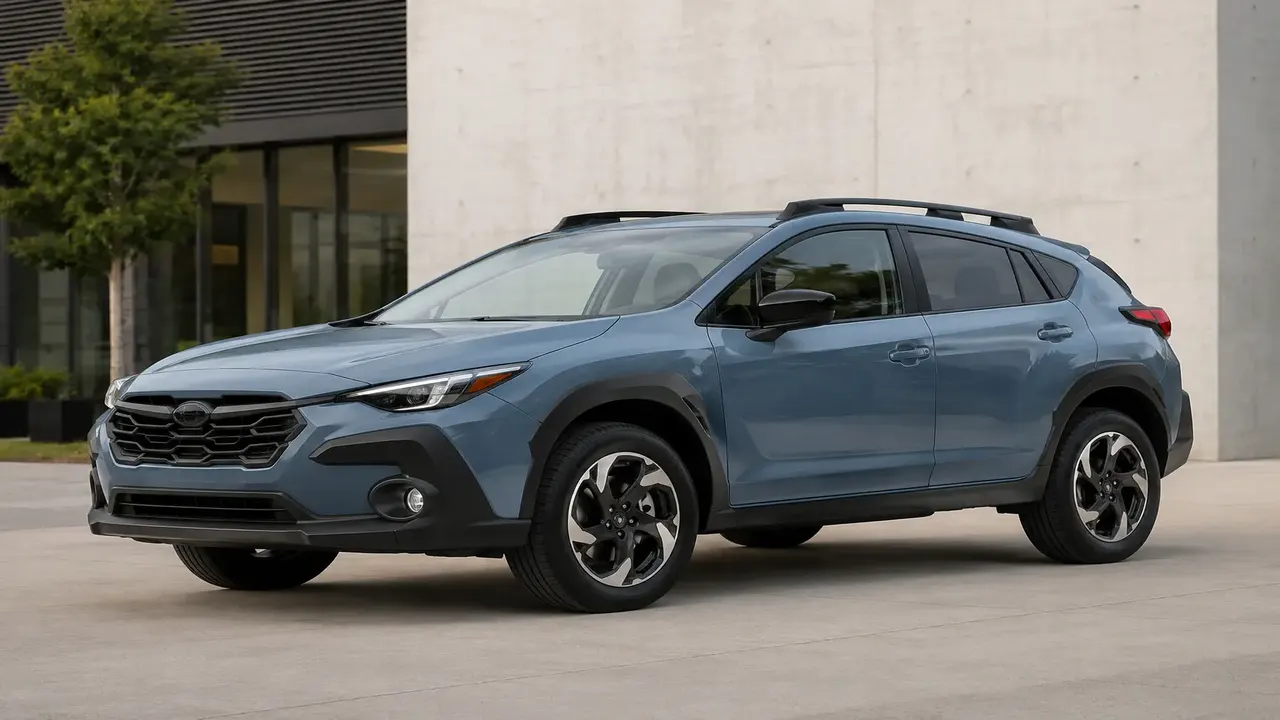
In the US, $10,000 typically buys a 6-9 year old compact sedan or hatchback with 60,000-100,000 miles — think Toyota Corolla, Honda Civic, Mazda3 or Hyundai Elantra — rather than a newer car with low mileage. In the UK, £10,000 stretches to a newer, lower-mileage car (roughly 3-6 years old) such as a Skoda Octavia, Volkswagen Golf or Ford Focus, because used car prices and typical mileage patterns differ from the US market. In India, the same rupee-equivalent budget covers a much broader and often newer range of hatchbacks and small sedans, since vehicle prices and depreciation curves are structured very differently there. Always compare by age and mileage together, not price alone — a cheap car with very high mileage can cost more in repairs than a slightly pricier one with less wear.
At a glance: $10,000 / £10,000 used car budget
| Market | Typical age for budget | Typical mileage | Strong picks |
|---|---|---|---|
| US ($10,000) | 6-9 years old | 60,000-100,000 miles | Toyota Corolla, Honda Civic, Mazda3, Hyundai Elantra |
| UK (£10,000) | 3-6 years old | 20,000-50,000 miles | Skoda Octavia, VW Golf, Ford Focus, Toyota Yaris |
| India (equivalent budget) | Newer, often 1-4 years old | Lower relative mileage | Maruti Suzuki Swift/Baleno, Hyundai i10/i20, Tata Tiago |
Why the same nominal figure buys different cars in different countries
Used car pricing reflects local new-car prices, import duties, fuel costs and typical annual mileage, so a $10,000 or £10,000 budget does not translate directly across markets. In the US, high annual mileage (commonly 12,000-15,000 miles a year) means a car needs several years to accumulate the mileage that pushes its price down to $10,000. In the UK, lower average annual mileage and different depreciation patterns mean the same nominal budget in pounds often reaches a newer, lower-mileage car. In India, smaller and less expensive new cars, combined with strong resale demand for compact hatchbacks, mean a roughly equivalent budget frequently buys a notably newer vehicle than in the US or UK.
What to prioritize at this price point
At a sub-$10,000/£10,000 budget, reliability history and running costs matter more than trim level or brand image. Compact Japanese and Korean sedans and hatchbacks dominate recommendations at this price because they combine low ownership costs, widely available parts and strong long-term reliability track records.
- Toyota Corolla and Honda Civic — consistently rated among the most reliable compacts, with straightforward, inexpensive maintenance.
- Mazda3 — more engaging to drive with a nicer cabin than most rivals in this price bracket, at a similar reliability level.
- Hyundai/Kia compacts (Elantra, Forte) — often available with remaining factory powertrain warranty on newer used examples, which reduces risk.
- Skoda Octavia and VW Golf (UK/Europe) — spacious, efficient, and plentiful in the used market at this price and age.
- Maruti Suzuki and Hyundai hatchbacks (India) — dominant resale market with low-cost parts and widespread service networks.
Cars to be more cautious with
European luxury brands (BMW, Mercedes, Audi, Jaguar) depreciate into this price bracket relatively young, which looks tempting, but their repair costs are usually far higher than a mainstream compact of the same age — a cheap purchase price does not mean a cheap car to own. Similarly, high-mileage American full-size sedans or older diesels with emissions-system issues can carry expensive surprises that erase the initial savings.
How to compare listings at this budget
- Compare age and mileage together, not price alone — a 2019 model with 90,000 miles and a 2021 model with 50,000 miles at the same price are very different bets.
- Get a vehicle history report (Carfax/AutoCheck in the US, HPI check in the UK) to rule out accident damage, odometer issues and outstanding finance.
- Budget for a pre-purchase inspection (roughly $100-$150 in the US, £50-£100 in the UK) — it routinely catches issues that change the real cost of the car.
- Check timing belt/chain service history on cars nearing 90,000-100,000 miles, since a neglected timing belt failure can total the engine.
- Confirm remaining factory warranty, especially on Hyundai/Kia models, which often carry longer original powertrain warranties than rivals.
The cheapest listing at a given price point is often cheap for a reason — salvage title history, high mileage for its age, or deferred maintenance. Cross-check every listing's price against similar-age, similar-mileage examples before assuming it's a good deal.
Frequently asked questions
What is the best used car to buy for under $10,000?
Does £10,000 in the UK buy a better car than $10,000 in the US?
Is it worth buying a used luxury car under $10,000 instead of a mainstream compact?
How many miles is too many for a used car around $10,000?
Should I get a pre-purchase inspection on a budget used car?
Sources & further reading
- Kelley Blue Book — Used car pricing and buying advice
- Edmunds — Used car market insights and pricing report
- CARFAX — Used car price index
Figures, prices and policy details were current at the last-updated date above. Automotive pricing, incentives and regulations change frequently — verify time-sensitive details with the linked primary sources. Read our editorial policy and fact-checking standards.