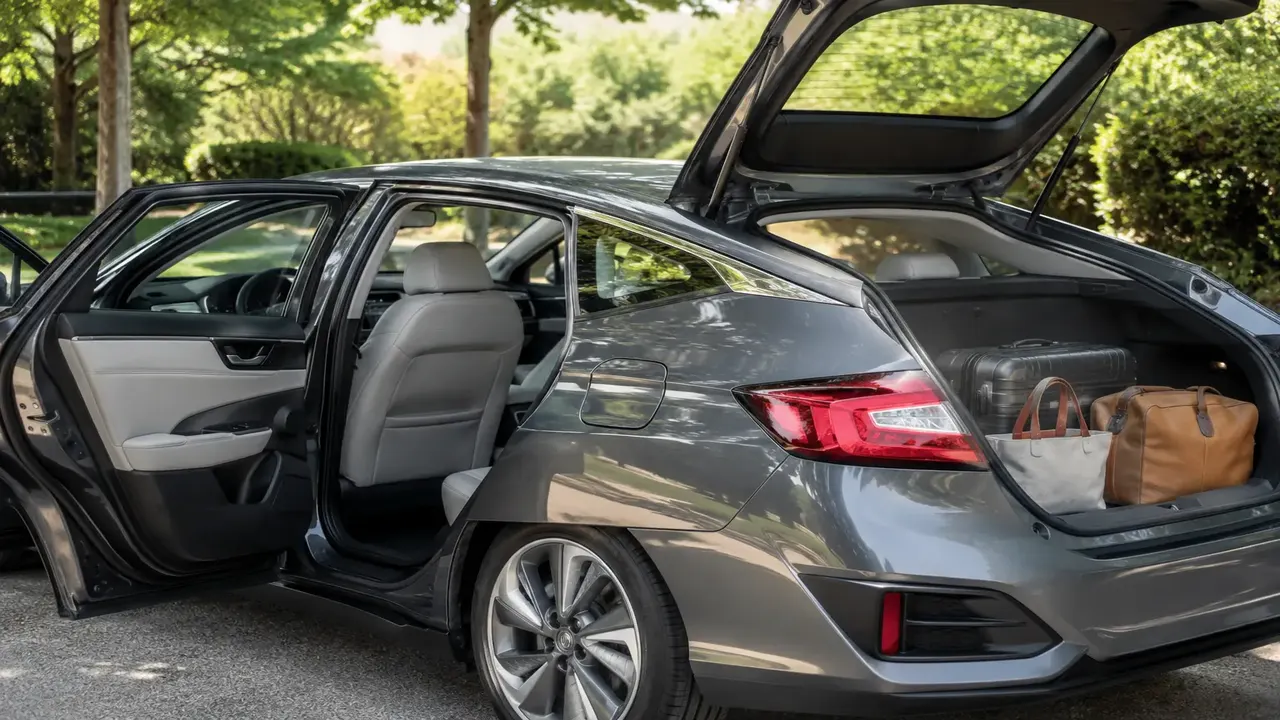
CNG (compressed natural gas) typically costs 30-40% less per kilometer/mile than petrol where infrastructure exists (strongest in India and parts of Europe), but refueling stations are far less widespread than petrol pumps. Petrol remains the most universally available fuel and offers the widest model choice. Diesel delivers 15-20% better fuel economy than petrol on highway-heavy use and remains common for trucks and long-distance driving, but faces tightening emissions rules and higher upfront vehicle and maintenance costs in many markets. The right choice depends heavily on your daily driving pattern and local fuel infrastructure.
At a glance
| Fuel | Running cost | Best use case |
|---|---|---|
| CNG | Lowest per-distance cost where available | High-mileage city driving with CNG stations nearby |
| Petrol | Mid, most consistent availability | General-purpose driving, widest model choice |
| Diesel | Best highway efficiency, higher upfront cost | Long-distance/highway-heavy driving, towing |
How the three fuels actually compare
CNG-powered cars (either factory-fitted or retrofitted, common in India, Italy, and parts of South America) burn a compressed natural gas mixture that's typically cheaper per equivalent distance and burns cleaner than petrol, producing fewer particulates. The trade-off is a smaller network of refueling stations and a mild loss of boot/trunk space for the gas cylinder, plus a modest power reduction versus the petrol equivalent.
Petrol: the default choice
Petrol (gasoline) remains the most widely available fuel globally and offers by far the largest range of vehicle choices, from hybrids to high-performance models. It's the easiest fuel type to buy, sell and service anywhere, which is why it remains the default recommendation unless a specific factor (cost, distance driven, towing) points elsewhere.
Diesel: efficiency for distance
Diesel engines extract more energy per unit of fuel, which translates into meaningfully better fuel economy on sustained highway driving and towing. However, diesel vehicles generally cost more to buy new, diesel fuel price relative to petrol varies by country and season, and diesel-specific components (DPF filters, emissions systems) can be costly to repair. Several major cities in Europe and elsewhere have introduced low-emission zones that restrict or surcharge older diesel vehicles, which is worth checking before buying if you live or commute in one.
| Factor | CNG | Petrol | Diesel |
|---|---|---|---|
| Fuel availability | Limited, regional | Universal | Wide, but fewer pumps than petrol in some markets |
| Typical running cost | Lowest per distance | Baseline | Lower per distance on highway use |
| Upfront vehicle cost | Often a premium/retrofit cost | Baseline | Usually higher than petrol equivalent |
| Emissions profile | Lower particulates than petrol/diesel | Moderate | Higher NOx/particulates historically, improving with newer standards |
If you drive into or through a major city regularly, check local low-emission or congestion zone rules before choosing diesel — older diesel vehicles increasingly face daily charges or entry restrictions in parts of Europe and elsewhere.
How to decide
- Choose CNG if you drive high mileage in a city or region with good CNG station coverage and want the lowest running cost.
- Choose petrol if you want the simplest ownership experience and widest model/resale market.
- Choose diesel if you regularly drive long highway distances or tow, and don't face low-emission zone restrictions.
Frequently asked questions
Is CNG safe for daily driving?
Does diesel still make sense with emissions rules tightening?
Is CNG cheaper than petrol everywhere?
Which fuel type holds resale value best?
Sources & further reading
Figures, prices and policy details were current at the last-updated date above. Automotive pricing, incentives and regulations change frequently — verify time-sensitive details with the linked primary sources. Read our editorial policy and fact-checking standards.