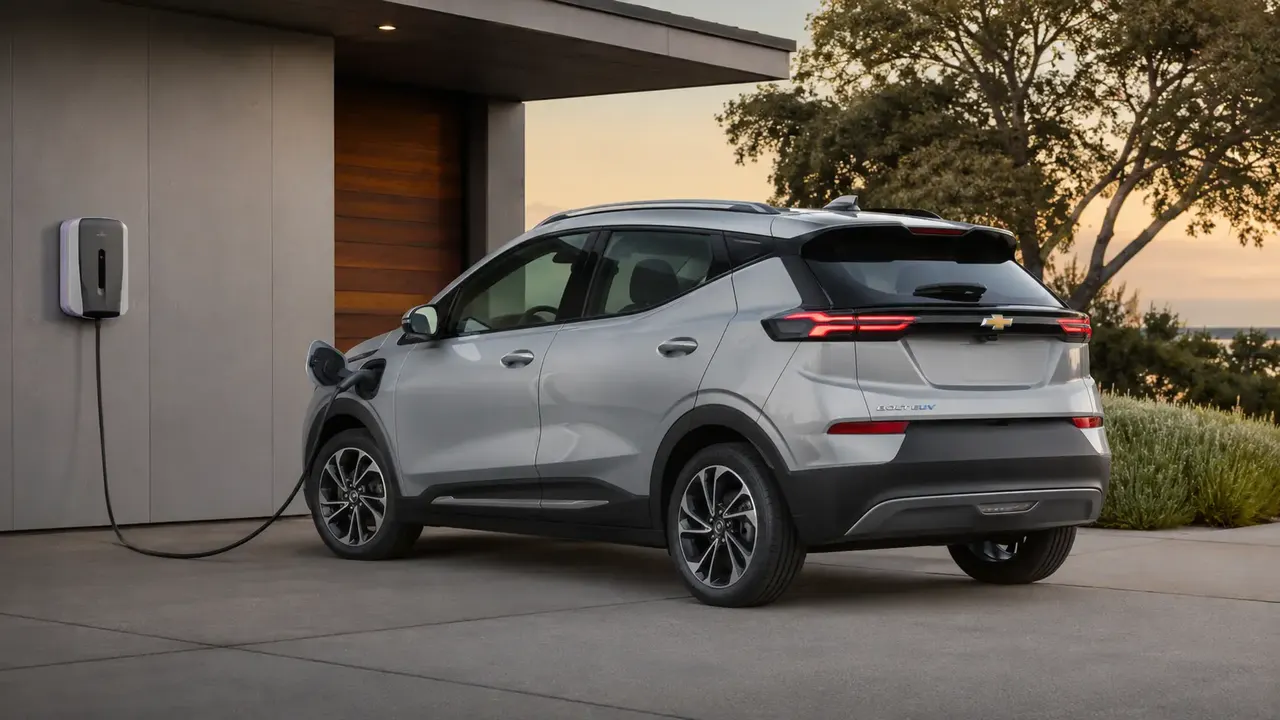
A standard hybrid (HEV) needs no charging at all and typically improves fuel economy by 30-50% over a comparable gas car, making it the easiest electrified option to own. A plug-in hybrid (PHEV) adds a larger battery for roughly 20-40 miles of electric-only range on a full charge (specifics vary widely by model) before reverting to hybrid operation, suiting drivers who can charge at home but still want a gas backup for longer trips. A full EV eliminates gas entirely, with modern mainstream models typically offering 200-300+ miles of range, but requires reliable charging access and the most upfront cost, partly offset in some markets by purchase incentives that vary by country and change frequently.
At a glance: hybrid vs PHEV vs EV
| Type | Charging needed? | Best for |
|---|---|---|
| Hybrid (HEV) | No | Buyers who want fuel savings with zero behavior change |
| Plug-in hybrid (PHEV) | Optional but recommended | Drivers with home charging and short daily commutes |
| Full EV (BEV) | Yes, essential | Drivers with reliable charging access wanting zero tailpipe emissions |
How the three technologies actually work
A standard hybrid uses a small battery and electric motor to assist the gas engine and capture braking energy, but the battery is never plugged in — it charges only from the engine and regenerative braking. A plug-in hybrid uses a larger battery that can be charged from an outlet, giving genuine electric-only driving for a limited range before the gas engine takes over seamlessly. A full battery-electric vehicle has no gas engine at all — it runs entirely on battery power and must be charged to move.
Which suits which driver
A standard hybrid is the simplest upgrade path from a gas car: no new habits, no charging infrastructure needed, and a meaningful fuel savings with essentially no downside beyond a modest price premium over the non-hybrid version. A plug-in hybrid rewards drivers who can charge at home or work and have a short daily commute within the electric-only range — for those drivers, many trips can be done on electricity alone while the gas engine remains available for longer trips without any range anxiety. A full EV makes the most sense for drivers with reliable home or workplace charging and typical daily driving well within the car's real-world range, especially where public fast-charging is available for longer trips.
Cost considerations
Hybrids typically carry the smallest price premium over a comparable gas model and pay that back through fuel savings over a few years for most drivers. PHEVs cost more upfront than either hybrids or gas equivalents but can dramatically cut fuel spend for drivers who actually plug in regularly — the savings evaporate if the battery is rarely charged, since driving a PHEV as a gas car with a heavier, unused battery hurts fuel economy. Full EVs have the highest upfront cost among the three in most segments, though this gap has been narrowing, and available purchase incentives vary significantly by country and change frequently, so check current local programs before budgeting.
| Factor | Hybrid | Plug-in hybrid | Full EV |
|---|---|---|---|
| Charging required | No | Optional, recommended for savings | Yes |
| Typical fuel-economy gain | 30-50% vs gas | Can approach 100% electric for short trips | No gas used |
| Upfront cost vs gas equivalent | Smallest premium | Larger premium | Largest premium (before incentives) |
| Range anxiety risk | None | None (gas backup) | Real, depends on charging access |
Studies and real-world fleet data have repeatedly shown that PHEVs driven mostly on gas (because owners don't charge regularly) deliver far worse real-world fuel economy than their official ratings suggest, sometimes underperforming a standard hybrid. Only choose a PHEV if you're confident you'll charge it consistently.
Decision checklist
- Choose a standard hybrid if you want fuel savings with zero change to your routine.
- Choose a plug-in hybrid only if you can reliably charge at home/work and your daily commute mostly fits the electric-only range.
- Choose a full EV if you have dependable charging access and your typical driving comfortably fits within real-world range, especially in cold weather when range typically drops.
Frequently asked questions
Do I need to plug in a regular hybrid?
How far can a plug-in hybrid go on electric power alone?
Is a full EV practical without home charging?
Do hybrids need special maintenance?
Sources & further reading
- U.S. Department of Energy — Alternative Fuels Data Center
- U.S. EPA — Fuel Economy Guide (Hybrids, PHEVs, EVs)
Figures, prices and policy details were current at the last-updated date above. Automotive pricing, incentives and regulations change frequently — verify time-sensitive details with the linked primary sources. Read our editorial policy and fact-checking standards.