The class the SUVs couldn't kill
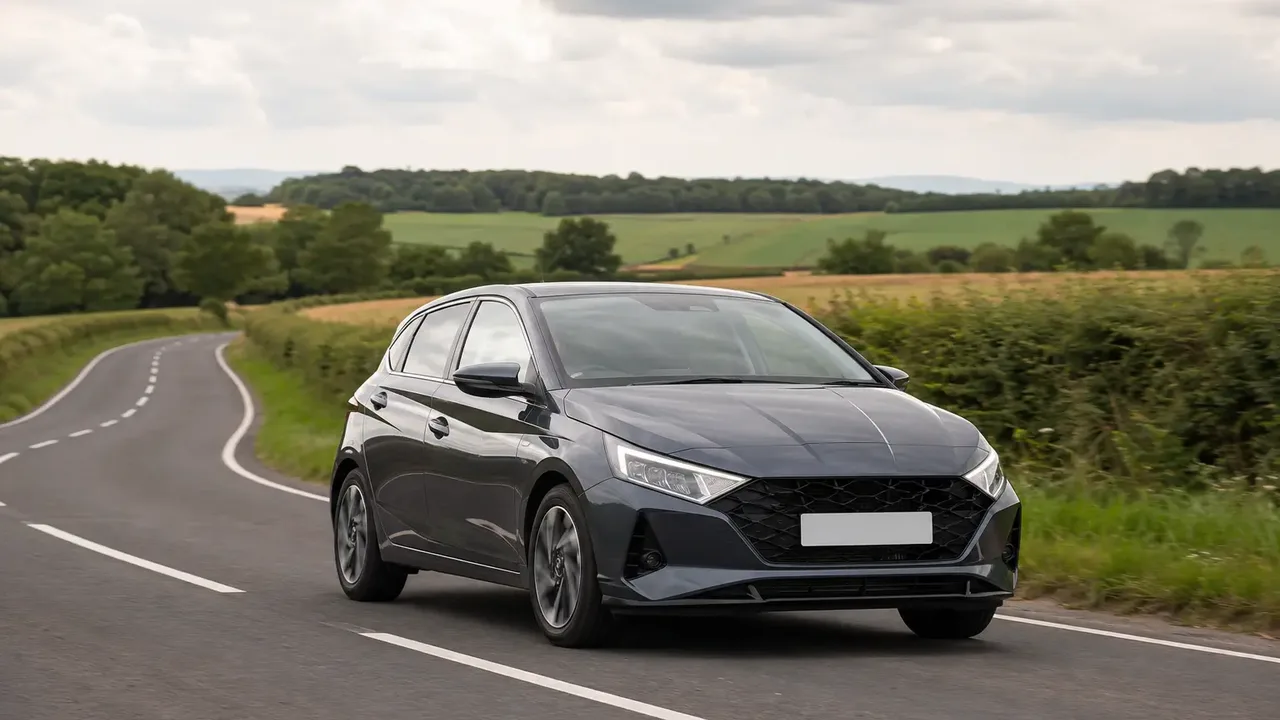
The premium hatchback survives because it answers city India better than any crossover: compact footprint, mature ride, real equipment, grown-up cabins. Its two poles are philosophical opposites. The Hyundai i20 is the polished European-feeling product: light, feature-dense, refined. The Tata Altroz is the substantial one: vault-solid structure, planted ride, and the class's only diesel. Between them sits most of what ₹8–12 lakh city buyers actually need.
The i20's case
Refinement and features. The i20's cabin remains the class benchmark for perceived quality-per-lakh: crisp displays, tight switchgear, sunroof and connectivity spread generously down the range. The 1.2 petrol (~88 PS) is smooth if unhurried; the IVT automatic is genuinely relaxing in traffic. NVH suppression, light controls and tidy ergonomics make it the easiest premium hatch to live with daily.
The N-Line escape hatch. The 1.0 turbo N-Line (~120 PS, DCT or manual) gives the i20 a warm-hatch personality the Altroz's discontinued-then-revived turbo variants have chased rather than matched.
Its taxes: the standard petrol is merely adequate two-up on inclines; the light steering that flatters parking numbs the highway; and crash-test billing — improved airbag counts notwithstanding — has never been the i20's marketing lead, against a rival that made it the whole pitch.
The Altroz's case
Structure as star. The ALFA-platform Altroz built its brand on crash performance — a five-star adult rating (original protocol) that Tata advertises like an engine spec — and the car feels it: doors thunk, the body sits planted, expansion joints thud once and are forgotten. On broken urban roads it rides with a maturity the i20 approaches but doesn't equal.
Powertrain breadth nobody matches. Petrol, the class-exclusive 1.5 diesel (90 PS, 20+ km/l touring range-anxiety-free), factory iCNG with twin-cylinder boot preservation, and DCA automatic options. Whatever your fuel math, there's an Altroz for it — the i20 answers only in petrol.
Value pricing. Trim for trim, the Altroz consistently undercuts, and its racier variants price where the i20's mid trims sit.
Its taxes: the 1.2 petrol is the class's most lethargic base engine; cabin plastics and screen responses trail Hyundai's polish; rear-seat width is good but the ride-height ingress helps the i20; and Tata's service consistency — much improved — still polls behind Hyundai's.
Head-to-head on what matters
- City automatic commuting: i20 IVT — smoothness wins.
- Highway touring on a budget: Altroz diesel, unopposed in class.
- CNG economics: Altroz iCNG, again unopposed.
- Perceived quality and tech: i20, clearly.
- Structural confidence and ride on bad roads: Altroz.
- Fun per rupee: i20 N-Line, with the Altroz Racer as the value counterpunch.
- Resale and network: Hyundai leads liquidity; Tata's gap narrows yearly.
Hyundai i20 vs Tata Altroz: the verdict
Buyers who prize how a car feels to operate — controls, screens, silence — will be happier in the i20 every single day. Buyers who prize what a car is underneath — structure, stance, fuel flexibility — get more substance per rupee in the Altroz, and its diesel/CNG options solve running-cost equations Hyundai refuses to enter. The class's quiet truth: the i20 is the better product experience, the Altroz the better engineering value — and your fuel bill, more than your heart, should cast the deciding vote.
The questions buyers actually ask
Aren't premium hatch prices overlapping compact SUVs now? Top trims, yes — which is why the value zone in both cars is the mid-spec: the essential feature set at a price the equivalent SUV can't match while keeping the better ride and economy. Pay for flagship trims only if the specific toys matter to you.
City commute of 40 km daily — petrol, diesel or CNG? Under ~1,500 km a month, petrol automatics win on simplicity. Above 2,000 km, the Altroz's diesel or iCNG rewrites the running-cost table in ways the i20 simply can't answer — this single question settles the comparison for high-milers.
Which ages better over eight years? Structurally, the Altroz's solidity inspires; electronically, Hyundai's track record reassures. The honest tiebreaker is your nearest good service centre — the badge with the better workshop ages better in your pin code, whatever the forums say. Visit both service bays before you visit either showroom; the queue lengths and the service advisers will tell you more than any brochure.
Key takeaways
- i20 leads refinement, cabin tech and automatic smoothness; N-Line owns the fun end
- Altroz leads structure, bad-road ride and value — with class-exclusive diesel and iCNG options
- High-mileage and CNG-city buyers have an automatic answer: Altroz
- Urban petrol-automatic buyers have theirs: i20 IVT
- Network liquidity favours Hyundai; substance-per-rupee favours Tata — fuel math decides honestly
Sources & further reading
- Hyundai and Tata specification/price sheets, July 2026
- Global NCAP/Bharat NCAP published results
- True Motion Auto premium-hatch test notes
- India fuel-price and running-cost data
Figures, prices and policy details were current at the last-updated date above. Automotive pricing, incentives and regulations change frequently — verify time-sensitive details against the primary sources listed below. Read our editorial policy and fact-checking standards.