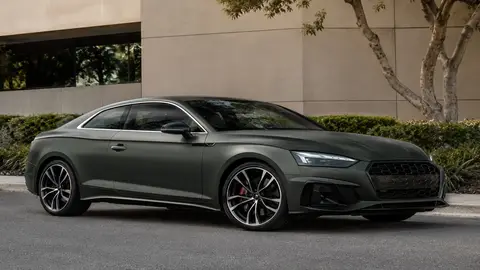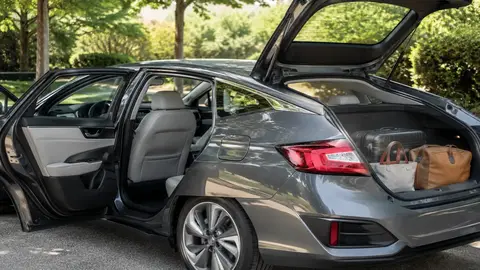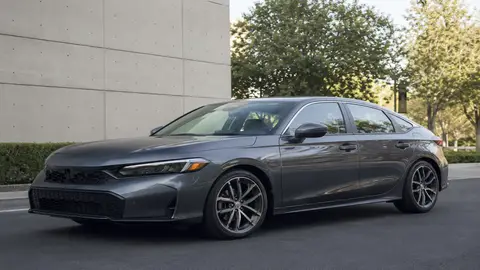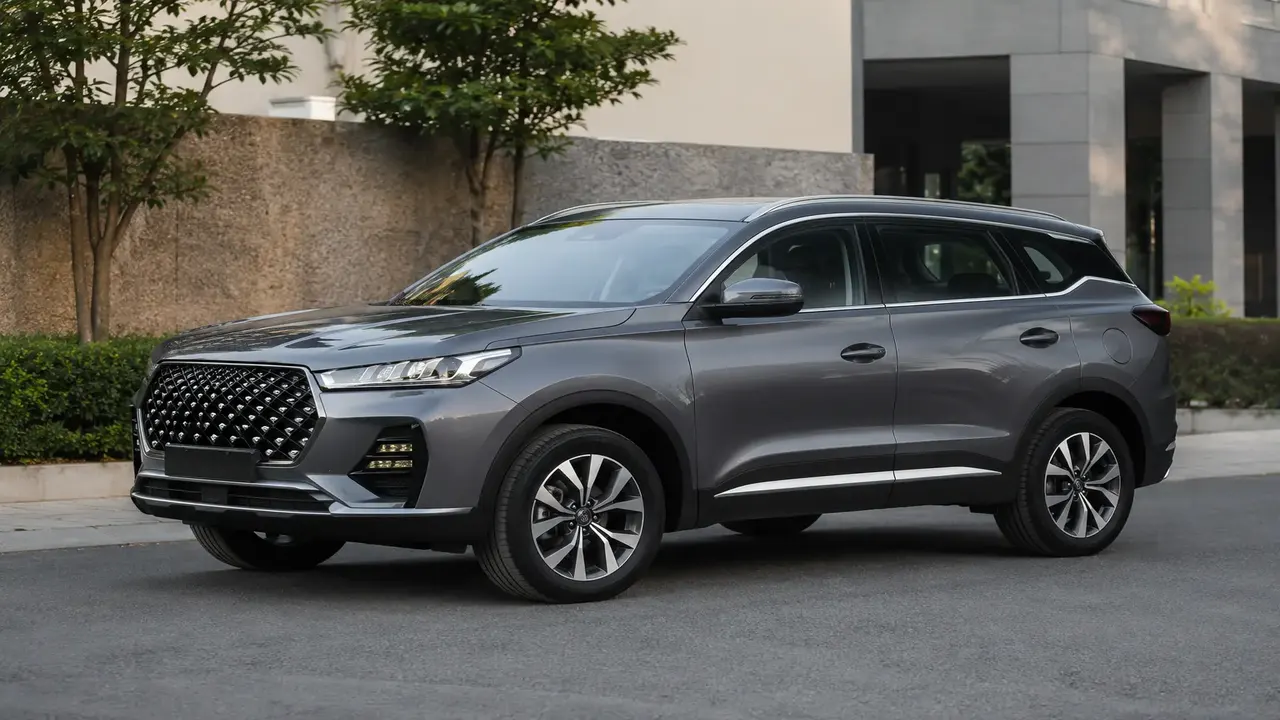
A good side-by-side comparison places up to four vehicles across price, specs, safety ratings, features, and estimated ownership cost, drawing on the same kinds of verified sources used across True Motion Auto's rankings. It works best when you compare vehicles that are genuinely competing for the same budget and use case — comparing a compact sedan against a full-size truck produces a technically accurate but practically useless chart.
At a glance: what a comparison should cover
| Comparison element | What it shows |
|---|---|
| Price & trim | MSRP range and trim level being compared |
| Specs | Engine/powertrain, dimensions, cargo/passenger capacity |
| Safety | NHTSA/IIHS ratings where available |
| Features | Standard vs. optional, per our feature chart standard |
| Ownership cost | Estimated fuel/energy, insurance, maintenance, depreciation |
Getting the comparison set right before you start
The single biggest factor in getting a useful comparison is choosing vehicles that actually compete for the same buyer — similar price range, similar segment (compact SUV vs. compact SUV, not compact SUV vs. midsize truck), and similar trim level. A comparison table will happily hold anything you select, but the output is only meaningful when the comparison set makes sense for your actual decision.
How to weight the results for your situation
- Commuters should weight fuel/energy cost and reliability heaviest, since those compound daily over years of ownership.
- Families should weight safety ratings and cargo/passenger space heaviest, alongside reliability.
- Budget-focused buyers should weight total ownership cost (insurance + fuel + maintenance + depreciation) over sticker price alone.
- Performance-focused buyers should still check safety and insurance cost, since these tend to be weak points in that segment.
Step-by-step: getting the most out of a comparison
- Select vehicles in the same segment and similar price band.
- Match trim levels as closely as possible — comparing base trims against loaded trims skews the feature chart.
- Check ownership cost, not just sticker price, before drawing conclusions.
- Cross-reference safety figures against current NHTSA/IIHS ratings, since a vehicle can be redesigned and re-tested between visits.
- Keep the finished comparison to hand for the dealership visit, since dealer configurators can differ from listed trims.
What a comparison cannot settle
| Limitation | Why |
|---|---|
| Doesn't generate a single "winner" score | Priorities differ too much by buyer to reduce to one number honestly |
| Doesn't include real-time local pricing/incentives | Dealer pricing and incentives change too fast and vary by region |
| Doesn't replace a test drive | Ride quality, seat comfort and driving feel can't be captured numerically |
Common comparison mistakes to avoid
- Comparing a base trim of one car against a mid or top trim of another without noticing the price gap justifies most of the feature gap.
- Ignoring ownership cost and choosing purely on sticker price or 0-60 time.
- Treating safety ratings as directly comparable across different test years or test protocol updates.
- Skipping the test drive because the spec comparison "looked decisive."
Two vehicles can look nearly identical on paper and feel completely different to drive. Use the comparison to build a shortlist of 2-3 finalists, then test drive before deciding.
How current the data is
Pull specs and safety ratings from the manufacturer's current configurator and the latest NHTSA/IIHS listings when you build the table, and note the date against each figure so you can judge freshness later.
Frequently asked questions
How many cars can I compare at once?
Should a comparison produce a single 'best' car?
Should I compare on MSRP or dealer prices?
Can I compare a new car against a used one?
Why do two similar cars show different safety ratings?
Sources & further reading
Figures, prices and policy details were current at the last-updated date above. Automotive pricing, incentives and regulations change frequently — verify time-sensitive details with the linked primary sources. Read our editorial policy and fact-checking standards.