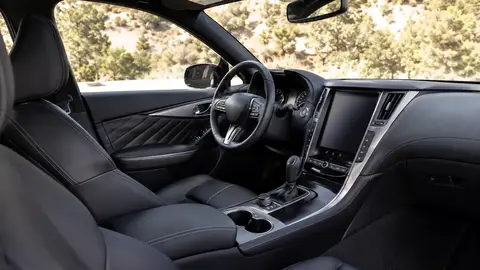
The total cost of ownership (TCO) calculator adds six cost categories over a chosen term (typically 5 years): depreciation, financing cost, fuel/energy, insurance, maintenance and repairs, and fees/taxes. Depreciation is usually the single largest line item, often 35-50% of total 5-year cost, followed by fuel/energy and insurance — which is why a cheaper sticker price doesn't always mean a cheaper car to actually own.
At a glance: 5-year cost to own a car
| Cost category | Typical share of 5-year TCO |
|---|---|
| Depreciation | 35-50% |
| Fuel/energy | 15-20% |
| Insurance | 10-15% |
| Financing cost (interest) | 5-15% |
| Maintenance & repairs | 10-15% |
| Fees & taxes | 3-8% |
The six cost categories, explained
- Depreciation — the drop in resale value over the ownership period; pulled from the same curve logic as our depreciation estimator.
- Financing cost — total interest paid over the loan term, which is zero for cash purchases but can be substantial on long-term loans.
- Fuel/energy — projected using the vehicle's EPA/official efficiency rating, an assumed annual mileage, and a regional fuel/electricity price.
- Insurance — an estimated premium range using the same factors as our insurance premium estimator.
- Maintenance & repairs — scheduled maintenance plus a typical allowance for wear items and unscheduled repairs, based on segment/brand reliability patterns.
- Fees & taxes — registration, applicable sales/road tax, and other required regional fees.
Why depreciation dominates the total
Depreciation is almost always the largest single line item in a 5-year TCO calculation, frequently outweighing fuel and insurance combined. This is why a car with a low purchase price but weak resale value can end up costing more to own over 5 years than a pricier car that holds its value well — the sticker price alone is a poor proxy for ownership cost.
How the calculator handles EVs vs. gas vehicles
| Category | Gas vehicle | EV |
|---|---|---|
| Fuel/energy | Higher — gasoline price per mile | Typically lower — electricity price per mile, varies by charging mix |
| Maintenance | Includes oil changes, more moving parts | Typically lower routine maintenance, no oil changes |
| Depreciation | More predictable curve | Historically wider swings, improving as market matures |
| Insurance | Segment-typical | Often somewhat higher due to repair/parts cost |
Inputs worth double-checking before trusting the total
- Annual mileage — directly drives fuel/energy and factors into depreciation and maintenance.
- Ownership length — a 3-year TCO and an 8-year TCO tell very different stories for the same car.
- Financing terms — cash, loan, or lease dramatically changes the financing-cost line.
- Regional fuel/electricity and insurance rates — using national averages when your local rates differ meaningfully will skew the total.
How to use the total when comparing two cars
Compare the per-year TCO figure, not just the 5-year total, since it's easier to weigh against your budget. Also check which category drives the difference between two cars — if Car A wins mainly on depreciation and Car B wins mainly on fuel cost, your actual driving pattern (mileage, how long you keep cars) should tie-break which advantage matters more to you.
TCO estimates are planning tools built on averages and assumptions — they can't predict an unexpected major repair, a resale market swing, or a personal insurance rate change. Use the total to compare options, not as a guaranteed budget.
Frequently asked questions
What's usually the biggest cost in owning a car?
Is total cost of ownership the same as monthly payment?
Do EVs really cost less to own overall?
How does ownership length change the TCO calculation?
Can the calculator account for a specific accident or repair history?
Sources & further reading
- U.S. Department of Energy — Fuel Economy and Cost Calculator
- Edmunds — True Cost to Own
- Kelley Blue Book — 5-Year Cost to Own
Figures, prices and policy details were current at the last-updated date above. Automotive pricing, incentives and regulations change frequently — verify time-sensitive details with the linked primary sources. Read our editorial policy and fact-checking standards.