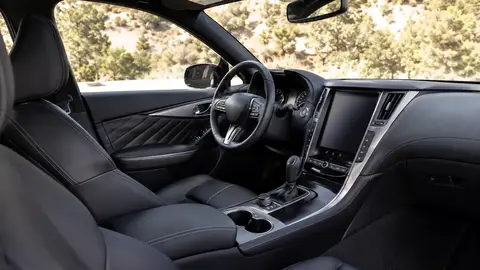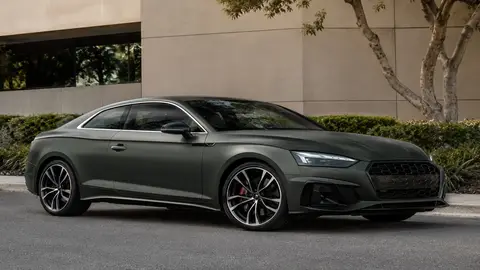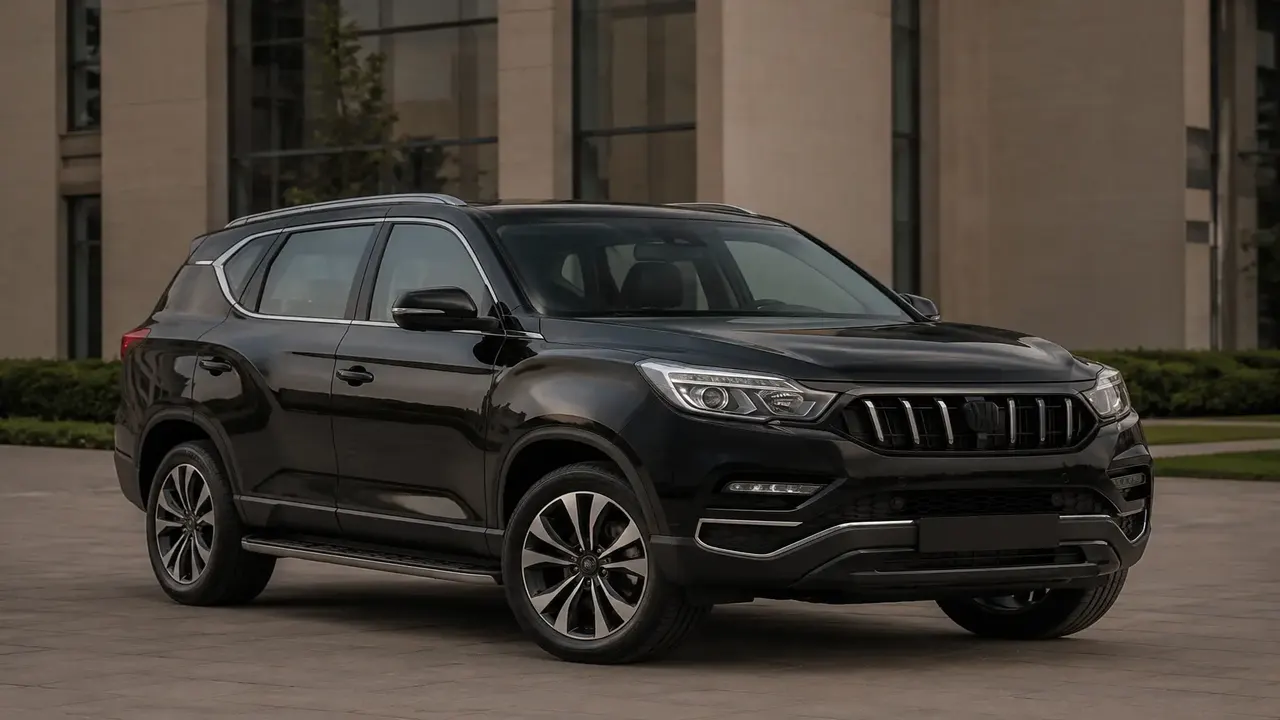
All three are genuine body-on-frame off-roaders with low-range transfer cases, aimed squarely at buyers who want real trail capability in a small footprint rather than a soft-roading crossover. The Thar is the most mainstream and best-equipped for daily use, with a modern interior and both petrol and diesel options in most markets. The Gurkha is the most hardcore of the three, built on a rugged ladder frame with a strong emphasis on extreme off-road geometry, at the cost of on-road refinement. The Jimny is the smallest and lightest, prized globally for its narrow footprint and surprisingly capable part-time 4x4 system, though its tiny cargo area limits everyday practicality.
At a glance: Mahindra Thar vs Force Gurkha vs Suzuki Jimny
| Factor | Mahindra Thar | Force Gurkha | Suzuki Jimny |
|---|---|---|---|
| Body/chassis | Body-on-frame ladder chassis | Body-on-frame ladder chassis, live axles | Body-on-frame ladder chassis |
| Positioning | Lifestyle off-roader, daily-usable | Hardcore off-roader, more utilitarian | Compact/agile off-roader, global cult following |
| Typical engines | Petrol and diesel options in most markets | Diesel-focused in most markets | Small-displacement petrol |
| Everyday comfort | Most refined interior of the three | Firmest, most utilitarian ride | Small, light, nimble but tight cargo space |
| Best known for | Style + genuine capability balance | Extreme approach/departure angles | Narrow footprint, tight trail agility |
Three different takes on the same idea
Mahindra Thar, Force Gurkha, and Suzuki Jimny all chase the same buyer at slightly different points: someone who wants a genuinely capable, small 4x4 rather than a soft-roading crossover, but who has different priorities around daily comfort, budget, and outright trail extremity.
Mahindra Thar: the daily-usable option
The Thar has moved furthest toward everyday livability among the three, with a modern dashboard, available automatic transmission, and both petrol and diesel engines in most markets where it's sold. It retains real off-road hardware — a proper 4x4 low-range transfer case and strong departure angles — while being the easiest of the three to live with as a primary vehicle, which explains its broad popularity beyond dedicated off-roaders.
Force Gurkha: built for the extreme end
The Gurkha leans hardest into raw capability: a stiff ladder frame, live axles front and rear on most versions, and off-road geometry (approach/departure/breakover angles) tuned for serious trail use rather than daily comfort. It trades refinement, cabin tech, and on-road ride quality for that capability, making it the choice for buyers whose priority is trail performance first and everything else second.
Suzuki Jimny: small, light, and globally loved
The Jimny's appeal is its light weight and narrow body, which lets it thread through tight trails and technical terrain that wider, heavier off-roaders can't easily manage — helped by a genuine part-time 4x4 system with low range. Its small size is also its biggest daily-use compromise: cargo space is minimal, especially with the rear seats up, and it's better suited as a second/weekend vehicle or a city-and-trail commuter for solo or couple use than as a family's only car.
Running costs and practicality trade-offs
None of the three prioritizes fuel economy or a plush ride — all three ride firmer than a typical crossover due to their ladder-frame, live/solid-axle-oriented construction, and wind/road noise tends to be higher than in unibody SUVs of similar size. Parts availability and service network density vary significantly by country for each brand, which is often a more practical deciding factor than any spec-sheet comparison.
Which one fits which buyer
Pick the Thar if you want the best balance of daily comfort and real off-road ability in one vehicle. Pick the Gurkha if outright trail capability and rugged simplicity matter more than comfort or cabin tech. Pick the Jimny if you want the smallest, lightest, most nimble option for tight trails and city parking, and can accept minimal cargo space as the trade-off.
Frequently asked questions
Which is more capable off-road, the Thar, Gurkha, or Jimny?
Which of the three is best for daily driving?
Is the Suzuki Jimny practical as a family car?
Does the Force Gurkha come with an automatic transmission?
Are these three off-roaders good for long highway trips?
Sources & further reading
- Global NCAP — vehicle safety ratings
- Society of Indian Automobile Manufacturers (SIAM) — industry data
Figures, prices and policy details were current at the last-updated date above. Automotive pricing, incentives and regulations change frequently — verify time-sensitive details with the linked primary sources. Read our editorial policy and fact-checking standards.