The cheapest EVs to run combine efficiency of 3.5-4.5 miles/kWh (roughly 14-18 kWh/100km) with low-cost home charging. On a typical home electricity tariff, that works out to roughly 3-6 pence or cents per mile, compared with 12-20 pence/cents per mile for an efficient petrol car. Compact and midsize EVs — think Hyundai Kona Electric, MG4, Tesla Model 3 and BYD Dolphin/Seal-class cars — generally beat larger, heavier electric SUVs on cost per mile.
At a glance: the most affordable EVs to run
| Factor | Cheap-to-run EV range |
|---|---|
| Efficiency | 3.5 - 4.5 miles/kWh (14-18 kWh/100km) |
| Home charging cost per mile | 3 - 6 pence/cents (off-peak tariff) |
| Public rapid charging cost per mile | 10 - 20 pence/cents |
| Annual servicing | Typically 20-30% cheaper than equivalent petrol car |
| Brake wear | Reduced via regenerative braking — pads/discs often last longer |
| Battery warranty | Commonly 8 years / 100,000-160,000 km from major brands |
Efficiency matters more than battery size
A bigger battery doesn't make an EV cheaper to run — efficiency does. Two EVs with the same size battery can differ by 20% or more in real-world miles per kWh depending on weight, aerodynamics and motor design. Compact hatchbacks and efficient midsize saloons routinely beat larger electric SUVs and pickups on cost per mile, even though the SUV might have a bigger battery and longer claimed range.
Where the real savings come from
- Home charging on an off-peak or EV-specific tariff is the single biggest lever — it can cut per-mile electricity cost by 60-70% versus public rapid charging.
- Fewer moving parts means less routine maintenance: no oil changes, fewer fluids, and simpler drivetrains.
- Regenerative braking reduces wear on physical brakes, often extending pad and disc life well beyond a typical petrol car's replacement interval.
- Lower road tax or purchase incentives in some markets, though these vary a lot by country and change frequently — check current local rules rather than assuming.
Models that typically rank well for running costs
| Segment | Example models | Why they're cheap to run |
|---|---|---|
| Compact hatchback | MG4, Renault 5, BYD Dolphin | Light weight, efficient motors, modest tyre sizes |
| Midsize saloon | Tesla Model 3, BYD Seal | Strong aerodynamics keep highway efficiency high |
| Compact SUV | Hyundai Kona Electric, Kia Niro EV | Balance of efficiency and practicality |
Where costs creep up
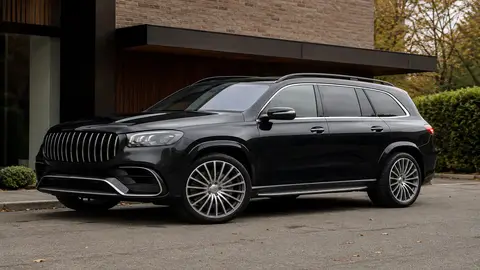
Large, heavy electric SUVs and performance EVs with big wheels and dual motors can use noticeably more energy per mile — sometimes 2.5-3.5 miles/kWh instead of 4+ — which erodes much of the running-cost advantage over a modern hybrid. Cold weather also cuts real-world efficiency by roughly 15-30% versus mild conditions, so winter running costs are always higher than a manufacturer's best-case figure suggests.
Common mistakes when comparing EV running costs
- Using the manufacturer's claimed range/efficiency figure instead of independent real-world test results.
- Ignoring charging access — an EV that's cheap on paper is expensive in practice if you're stuck using public rapid chargers daily.
- Forgetting insurance — some EVs sit in higher insurance groups/bands than their petrol equivalents due to battery repair costs.
- Not checking battery degradation and warranty terms, which affect long-term value more than headline running costs.
Public rapid charging can cost close to, or occasionally more than, petrol per mile in some markets. An EV is only 'cheap to run' if your typical charging pattern matches the low-cost scenario — check your own access to home or workplace charging before assuming savings.
Who benefits most from a cheap-to-run EV
Drivers with reliable home or workplace charging and predictable daily mileage see the biggest savings — commuters and family-car users in particular. Drivers without off-street parking, who rely mostly on public charging, or who do very high annual mileage on motorways in a large, less efficient EV, may find a good hybrid or even an efficient petrol car works out similarly priced per mile, at least for now.
Frequently asked questions
Which EV is cheapest to charge at home?
Is it cheaper to run an EV or a hybrid?
Do EVs really cost less to service than petrol cars?
Does cold weather affect EV running costs?
Sources & further reading
- US Department of Energy — eGallon/EV cost comparisons
- UK Office for Zero Emission Vehicles
- International Energy Agency — Global EV Outlook
Figures, prices and policy details were current at the last-updated date above. Automotive pricing, incentives and regulations change frequently — verify time-sensitive details with the linked primary sources. Read our editorial policy and fact-checking standards.