Same group, opposite bets
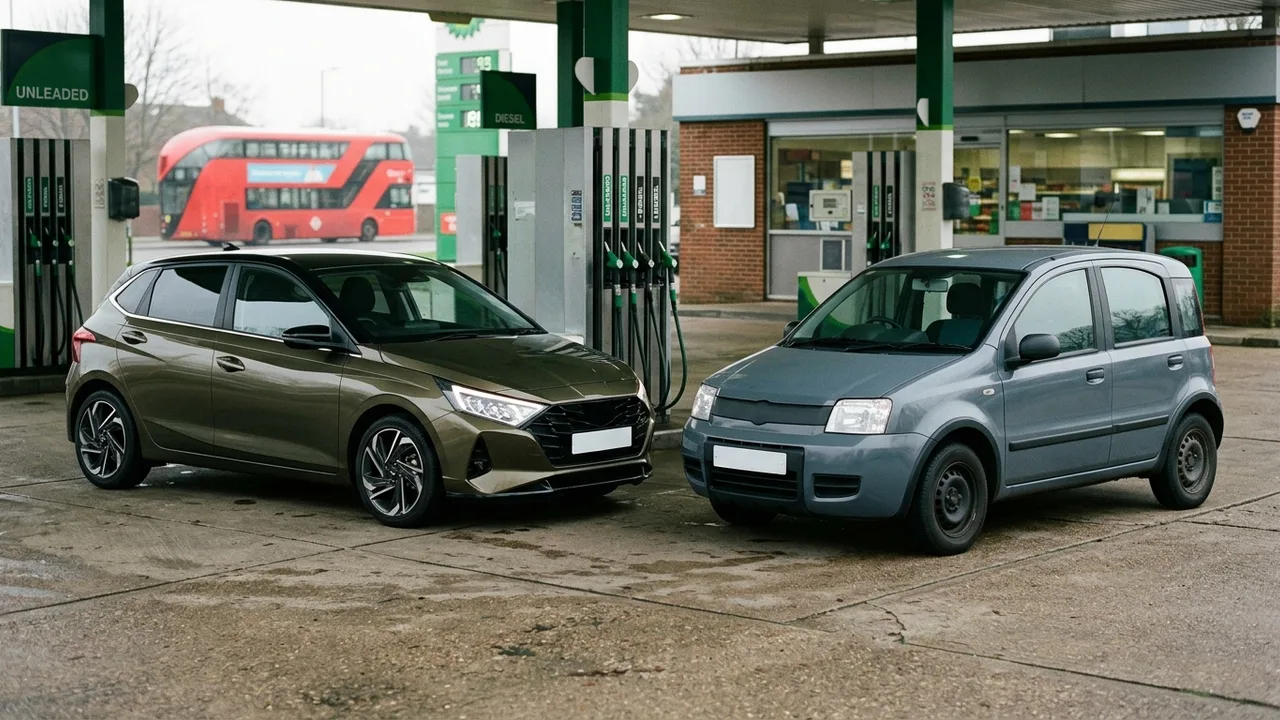
Renault Group runs two propositions on shared mechanicals: Renault, betting design, hybrid tech and Google-native cabins earn a premium; and Dacia, betting most buyers would rather keep the difference. Both bets are currently paying — which makes the internal comparison the interesting one.
The head-to-heads
Clio vs Sandero: Britain's value benchmark against Europe's private-buyer best-seller. The Clio brings a 65mpg full hybrid, plusher cabin and real polish; the Sandero does the transport job for thousands less. Captur vs Duster: the Captur's hybrid and tech against the Duster's bigger stance and legendary simplicity — the Duster remains the default recommendation when someone asks for "most car, least money." Above them, Renault's award-winning electric line (5, 4, Scenic) has no Dacia mirror yet — the Spring stays the group's bargain-basement EV — while Dacia's Bigster now attacks C-SUV pricing with 58mpg hybrid maths Renault charges more to match.
Safety is the honest asterisk: Renault's recent models test respectably; Dacia's three-star Euro NCAP results (Bigster included) reflect deliberate kit rationing. The structures share group engineering — the score gap is mostly secondary-assistance features. Families ranking the certificate should weigh it consciously.
Ownership math
Dacia's list prices, insurance groups and simple mechanicals win the running-cost sums; Renault counters with hybrid fuel savings, stronger residual percentages on the EVs, and cabins you actively enjoy. Both share dealer networks and the same underlying reliability record — solid, with the E-Tech hybrid gearbox's occasional hesitation the shared quirk.
Renault vs Dacia: the honest verdict
Buy Dacia when the car is a tool: the Sandero and Duster remain Britain's best pure-value purchases, full stop. Buy Renault when running costs meet the hybrid maths (high-mileage Clio case), when the EV range fits (nothing Dacia sells rivals a Scenic), or when design genuinely adds to your day. The trap is paying Renault money for Dacia usage — or enduring Dacia austerity when £3,000 more would have made you happy.
The questions buyers actually ask
Is Dacia's three-star safety disqualifying? Personal call: adult-occupant scores are respectable; missing assistance kit drives the rating. Read the sub-scores.
Clio hybrid or Sandero petrol? Above ~10,000 miles/year, the Clio's economy closes the price gap surprisingly fast.
Which Duster rival should Renault buyers consider? Their own Symbioz — Captur space, hybrid economy, sensible money.
Key takeaways
- Shared mechanicals; the price gap buys design, hybrids and tech
- Sandero and Duster stay Britain's value benchmarks
- Renault owns the group's EV story (5, 4, Scenic) — no Dacia equivalent yet
- Dacia's three-star NCAP is kit rationing, not structural failure — decide consciously
- Match badge to usage: tool = Dacia, daily pleasure or high miles = Renault
Sources & further reading
- Renault Group UK pricing
- Euro NCAP records
- True Motion Auto reviews of both ranges
Figures, prices and policy details were current at the last-updated date above. Automotive pricing, incentives and regulations change frequently — verify time-sensitive details with the linked primary sources. Read our editorial policy and fact-checking standards.