The most honest comparison in India
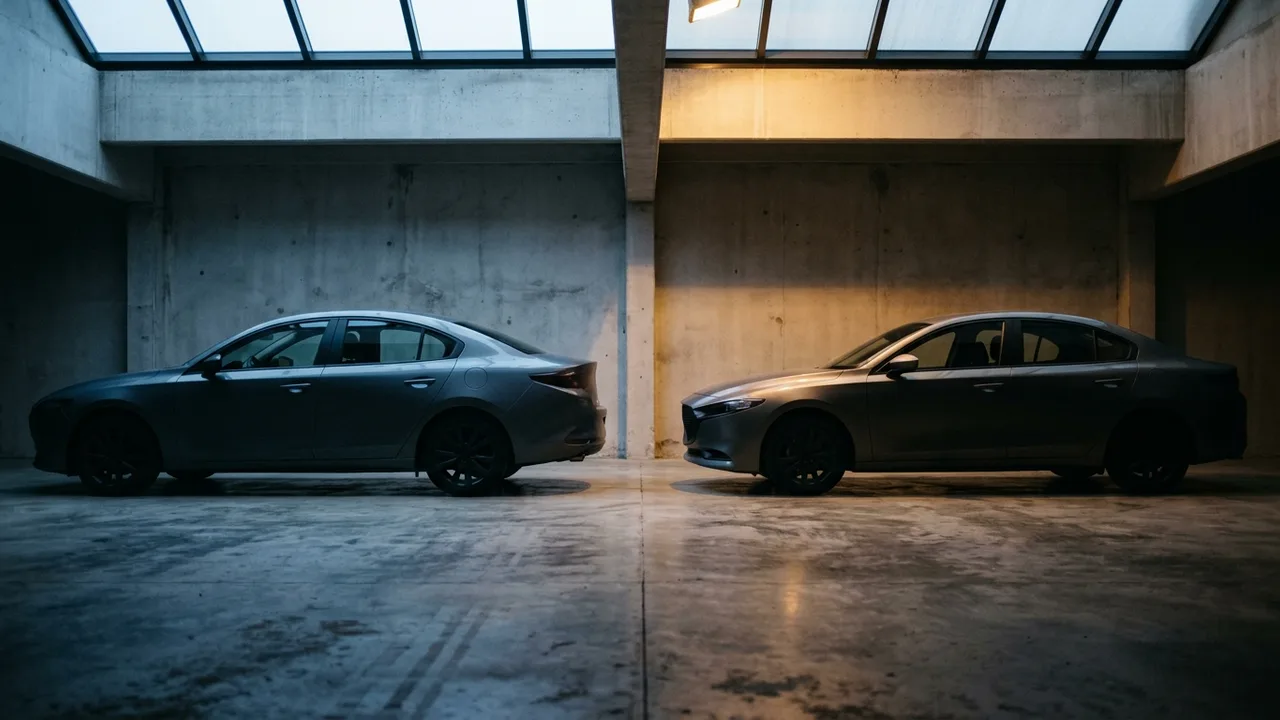
Strip the badges and these two are one car: the MQB-A0-IN platform, the same 1.0 TSI (115 PS) and 1.5 TSI EVO (150 PS) engines, the same manual, torque-converter and DSG gearboxes, near-identical dimensions, and crash structures that earned both top marks. The engineering comparison is a draw by definition. What remains — and it's more than cynics claim — is tuning flavour, cabin philosophy, dealer experience and the deal on the table that month.
The differences that are real
Design temperament. The Slavia wears Skoda's crisp, upright European look; the Virtus channels a junior-Jetta smoothness. Interiors follow suit: Skoda's is the airier, slightly more playful cabin (and typically offers the lighter dual-tone theme), VW's the more sober, all-business one. This is genuinely a taste vote, and showroom lighting decides more than reviews do.
Suspension shade. Drive them back to back and the Virtus feels a touch more damped and settled at low speed; the Slavia marginally freer and lighter on its feet as speed builds. The gap is small — both ride firm-ish by segment standards and both reward the open road like nothing else at the price.
Rear-seat and boot pragmatics. Near-identical on paper (both around the 520-litre class-leading boot); the Slavia's bench sits fractionally more relaxed, the Virtus's cushioning slightly firmer. Tall families should audition both rears rather than trust forums.
Feature shuffles. Trim-by-trim, one twin always holds a small edge — ventilated-seat availability here, sound-system or wheel differences there — and it changes with model years. The correct method: print both current trim sheets at your budget and tick actual differences; they rarely exceed a handful of items.
Dealer and service geography. The decider more often than any spec: Skoda and VW networks differ city by city in proximity, reputation and service pricing packages. The twin with the better local dealer is the better car for you — this is long-term ownership, not a weekend fling.
The engine question (identical in both, so choose once)
- 1.0 TSI manual/AT: the sensible spec — willing enough (0–100 in ~11s), 15–18 km/l realistic, and the torque-converter AT is the durability pick for hot-city traffic.
- 1.5 TSI DSG: the reason enthusiasts evangelise this pair — genuinely quick (sub-9s), cylinder-deactivation frugal on cruise, and the closest thing to an affordable European sports sedan India sells. Accept DSG discipline: it prefers moving traffic to hour-long crawls, and warranty-era ownership is the comfortable window.
- Either engine, either badge: identical numbers, identical character.
Skoda Slavia vs VW Virtus: the verdict, such as it can exist
Buy on: (1) the nearer/better dealer, (2) the sharper discount this quarter, (3) the cabin you prefer sitting in. In that order. If all three tie, the Slavia's slightly cheerier cabin and typically keener pricing give it the narrowest of nods; the Virtus answers with its marginally plusher low-speed ride and badge gravitas. There is no wrong door in this showroom corridor — the only mistake available is buying the 1.5 DSG for a life spent stationary on inner-ring roads, in either badge.
The questions buyers actually ask
Service costs — does the VW badge charge extra? Marginally, historically — though both brands now sell multi-year service packages that flatten the difference. Price the package into the deal negotiation; it's the line item dealers concede most easily.
Which twin holds value better? Skoda's larger India footprint gives the Slavia a thin resale edge in most metros; in cities where the VW dealer is the stronger operation, the Virtus flips it. Resale here follows service reputation street by street — ask your local used-car dealer which twin they'd rather stock.
Should the GT badges tempt me? The 1.5's performance-per-rupee remains the segment's standout — but be honest about traffic reality first. An enthusiast with an open weekend road: absolutely. A commuter whose "drive" is second gear on an arterial: the 1.0 AT delivers 90% of the daily experience with none of the DSG watchfulness.
Key takeaways
- Mechanically identical twins: platform, engines, gearboxes, safety — the draw is real
- Choose by dealer proximity/quality, current discounts and cabin taste — in that order
- 1.0 TSI AT is the sensible durable spec; 1.5 TSI DSG is the enthusiast bargain with DSG caveats
- Feature gaps are minor and shuffle by year — compare printed trim sheets, not reputations
- Both remain the driver's choice of the midsize class; the badge is the least important difference
Sources & further reading
- Skoda and VW India specification sheets, 2026
- Global NCAP results for the platform
- True Motion Auto twin-test notes
- dealer-network listings by city
Figures, prices and policy details were current at the last-updated date above. Automotive pricing, incentives and regulations change frequently — verify time-sensitive details against the primary sources listed below. Read our editorial policy and fact-checking standards.