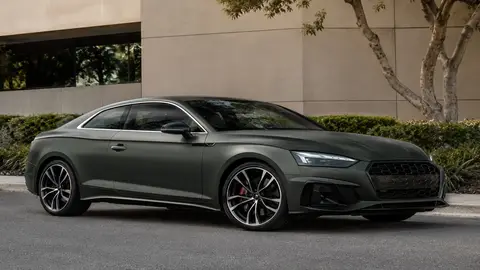
Turbocharged engines generally deliver more power and torque from a smaller displacement, which helps fuel-economy ratings and gives strong low-RPM pull — most mainstream automakers now use small turbo engines as their default. Naturally aspirated engines respond more linearly to the throttle, tend to have simpler maintenance needs (no turbo/intercooler plumbing), and in many owner surveys post slightly lower long-term repair costs once a vehicle passes 100,000 miles. Neither is a straightforward winner: the right choice depends on whether you prioritize real-world efficiency and power density (turbo) or mechanical simplicity and predictable long-term costs (naturally aspirated).
At a glance
| Factor | Turbocharged | Naturally aspirated |
|---|---|---|
| Power per liter | Higher | Lower |
| Throttle response | Slight lag possible, improving with modern designs | Immediate, linear |
| Fuel economy (rated) | Often better on paper | Simpler to predict in real-world driving |
| Maintenance complexity | More components (turbo, intercooler, oil cooling) | Fewer forced-induction parts |
| Typical use case | Downsized mainstream engines, performance cars | Budget cars, some trucks/SUVs, motorsport-bred sports cars |
How each design actually works
A naturally aspirated engine draws air in using only atmospheric pressure and piston movement. A turbocharged engine uses an exhaust-driven turbine to force extra air into the cylinders, letting a smaller engine produce power closer to that of a larger one. This is why a modern 1.5-liter turbo four-cylinder can rival the output of an older 2.4-liter naturally aspirated engine while often posting better EPA/WLTP fuel-economy ratings on the test cycle.
Power delivery and driving feel
Naturally aspirated engines build power in a smooth, predictable curve tied directly to RPM and throttle position, which is why many enthusiasts and racing series still prize them for consistent, easy-to-modulate response. Turbocharged engines historically suffered from "turbo lag" — a delay between throttle input and boost arriving — though modern twin-scroll turbos, smaller turbine housings, and electric-assist turbos have shrunk that lag considerably. In everyday driving, most buyers today won't notice meaningful lag in a well-tuned small turbo engine.
Real-world fuel economy
Turbo engines often post better numbers on official test cycles because they can be sized smaller for the same peak output. In real-world driving, though, boost that's used often (highway merging, towing, spirited driving) burns fuel quickly, and the gap between a turbo engine's rated and real-world economy tends to be larger than a comparable naturally aspirated engine's. Owners who drive gently in town may see close to rated economy from a turbo engine; owners who use the power regularly often see the advantage shrink or disappear.
Maintenance and long-term reliability
Turbocharged engines add components — the turbocharger itself, an intercooler, additional oil and coolant lines — that are extra items to maintain and that historically have added a failure point once a vehicle ages, especially if oil-change intervals are stretched (turbos rely on clean, well-timed oil flow to survive). Naturally aspirated engines have fewer parts that can fail and a long track record of running well past 150,000-200,000 miles with basic maintenance. Modern turbo engines from mainstream automakers have improved dramatically in durability, but consistent, on-schedule oil changes matter more for a turbo engine than for a naturally aspirated one.
If you're buying a used turbocharged car, ask for maintenance records showing regular oil changes with the manufacturer-specified oil grade. Sludge buildup from delayed oil changes is one of the most common causes of turbo failure.
Cost of ownership
Turbo engines are often paired with premium-fuel recommendations on performance-oriented models, which adds a real ongoing cost some buyers overlook. Repair costs for a failed turbocharger typically run from several hundred to well over a thousand dollars depending on the vehicle, notably more than most naturally aspirated repairs of similar severity. On the other hand, some turbo engines qualify for lower emissions or fuel-economy-linked tax incentives in certain markets, which can offset some of that risk.
- Choose turbocharged if you want strong low-end torque, better official fuel-economy ratings, and don't mind slightly more complex maintenance.
- Choose naturally aspirated if you want simpler long-term ownership, predictable throttle response, and plan to keep the car well past 150,000 miles.
- Either way, prioritize a car with a documented maintenance history over the engine type alone.
Frequently asked questions
Do turbocharged engines really save fuel?
Are turbo engines less reliable than naturally aspirated engines?
Do turbocharged cars need premium fuel?
Is turbo lag still a problem in modern cars?
Which is better for towing, turbo or naturally aspirated?
Sources & further reading
Figures, prices and policy details were current at the last-updated date above. Automotive pricing, incentives and regulations change frequently — verify time-sensitive details with the linked primary sources. Read our editorial policy and fact-checking standards.