Before buying your first EV, settle five things: (1) where you'll charge (home, work or public — this matters more than any spec), (2) how much range you really need (most drivers need far less than they think), (3) your real out-the-door budget (the US federal $7,500 credit ended 30 September 2025), (4) the total cost of ownership (cheap to run, but check insurance and depreciation), and (5) which body style fits your life. Get charging and range right and the rest follows.
First-time EV checklist at a glance
| Decision | Key question | Rule of thumb |
|---|---|---|
| Charging | Can I charge where the car sleeps? | Home/work charging changes everything |
| Range | How far do I drive most days? | 200–250 mi covers most needs |
| Budget | What's the real out-the-door price? | No $7,500 federal credit after 30 Sep 2025 |
| Running costs | Cheaper to run, but insurance? | Lower fuel/maintenance; higher insurance often |
| Body style | What do I actually carry? | Match size to real use, not max |
- Sort out charging first
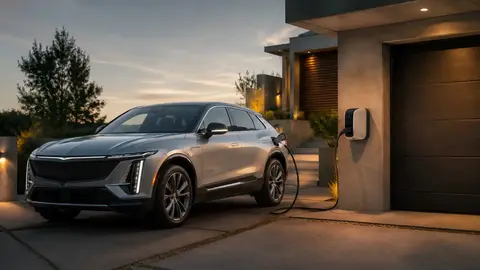
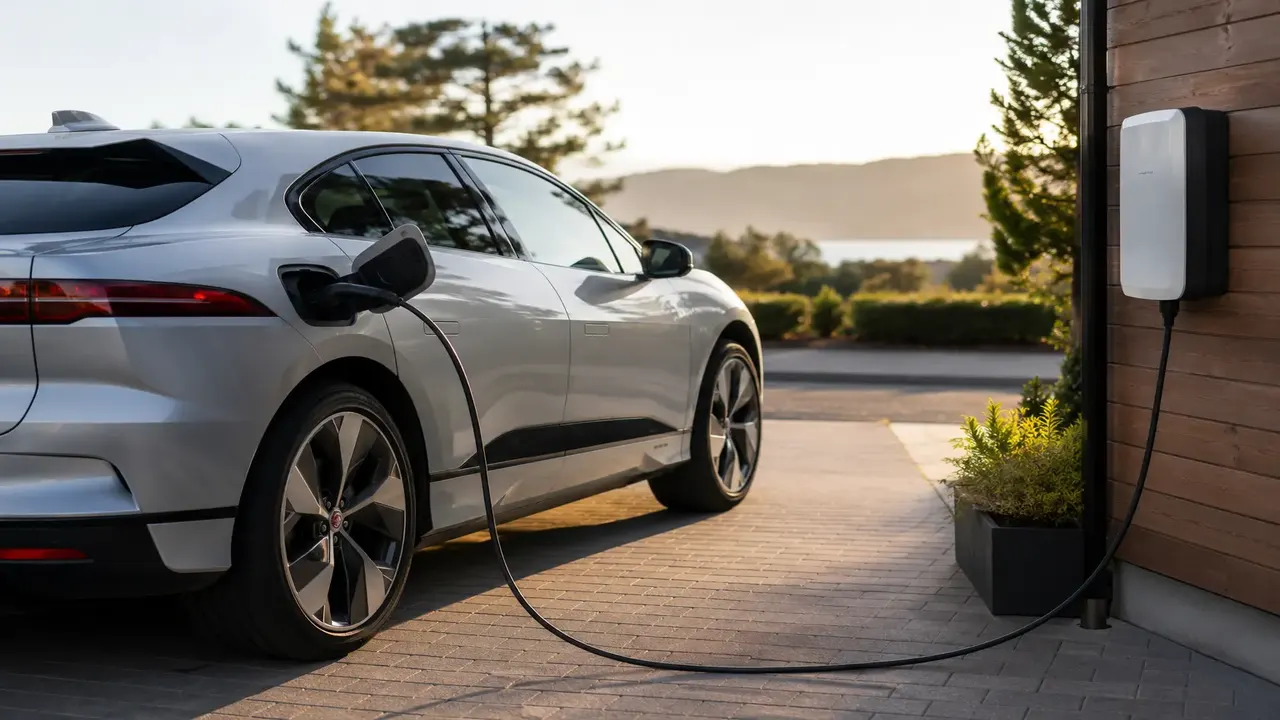
This is the single most important decision, and it comes before picking a car. An EV is brilliant if you can charge where it sleeps — a home wallbox means you leave most mornings effectively full and may rarely use public charging at all. If you can charge at work, that's nearly as good. If you can only rely on public charging, an EV can still work, but you'll plan around it and your running costs will be higher. Answer the charging question honestly before anything else.
- Work out the range you actually need
Range anxiety leads many first-timers to overbuy. The average driver covers well under 40 miles a day, so a 200–250-mile EV charged a couple of times a week is ample, with margin for cold weather. Buy more range only if you regularly drive long distances or can't charge at home. Remember real-world highway range is about 85–90% of the EPA/WLTP figure, and cold weather can cut it further.
- Set a realistic budget — the credit has changed
In the US, the federal $7,500 new-EV and $4,000 used-EV tax credits ended on 30 September 2025, so don't budget as if a credit will come off the price. Look instead to state, local and utility rebates, the home-charger credit (30% up to $1,000, before 1 July 2026) and the new loan-interest deduction (up to $10,000/year, 2025–2028). In the UK, check whether the £1,500–£3,750 Electric Car Grant applies (models under £37,000). In India, EVs benefit from 5% GST plus state subsidies. Budget on the real out-the-door figure.
- Understand the total cost of ownership
EVs usually cost more to buy but less to run. With home charging you'll commonly save on fuel and 30–50% on maintenance (no oil changes, less brake wear). But two costs can surprise first-timers:
- Insurance is often higher, reflecting vehicle value and pricier repairs — get a real quote for the specific model.
- Depreciation has been volatile for EVs; some hold value well, others drop fast. It's the biggest single uncertainty in any cost comparison.
- Choose the right body style and features
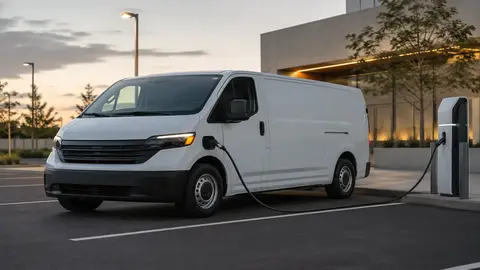
Match the car to how you actually live. A compact EV is perfect for city commuting; a crossover suits families; a three-row SUV serves larger households. Don't pay for size or range you won't use. Then check the practical details:
| Check | Why it matters |
|---|---|
| Onboard AC charger (kW) | Decides home/public Level 2 speed (7 vs 11 kW) |
| DC fast-charge rate & curve | Decides road-trip stop length |
| Connector / network fit | Make sure nearby chargers work for you |
| Battery warranty | Commonly 8 yr/100k mi to ~70–75% capacity |
| Heat pump | Improves cold-weather efficiency and range |
Test-drive the car the way you'll use it, and physically confirm the practical stuff: does it fit your parking space and garage, will a home charger install cleanly, and (for families) do your child seats fit? A cheap home-charger survey before you buy can save an expensive surprise after.
Common first-time mistakes
- Buying maximum range out of anxiety instead of matching it to real driving.
- Choosing the car before sorting out where it will charge.
- Budgeting for a $7,500 credit that no longer exists (post-30 Sep 2025).
- Forgetting to get an EV-specific insurance quote — it can be higher.
- Ignoring depreciation, the biggest wildcard in EV ownership cost.
Frequently asked questions
What should I decide first when buying my first EV?
How much range does a first EV need?
Is the $7,500 EV tax credit still available?
Are EVs cheaper to own than petrol cars?
What practical things should I check before buying?
Sources & further reading
Figures, prices and policy details were current at the last-updated date above. Automotive pricing, incentives and regulations change frequently — verify time-sensitive details with the linked primary sources. Read our editorial policy and fact-checking standards.