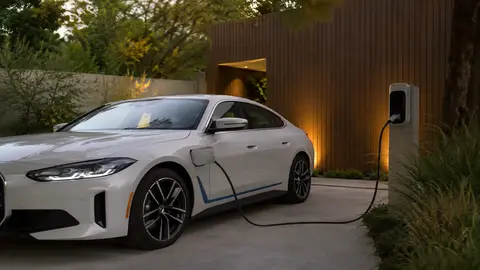
Carmakers are replacing leather, virgin plastics and synthetic fabrics with sustainable alternatives: recycled PET (from plastic bottles) for fabrics and carpets, recovered ocean plastic and fishing nets for trim, bio-based and natural-fibre composites (flax, wood, cactus) for panels, and vegan leathers made from cactus, pineapple or mushroom. Leaders include Polestar (the Polestar 3 uses 100% Econyl from recycled fishing nets for carpet and a flax composite ~40% lighter than plastic), Volvo (targeting 25% recycled plastic in new cars) and BMW (recycled-net trim and cactus-based Deserttex). These materials cut carbon, plastic waste and animal use — and often weight too.
Sustainable interior materials at a glance
| Material | Made from | Used for |
|---|---|---|
| Recycled PET | Plastic bottles | Seat fabric, carpet, headliners |
| Ocean plastic / fishing nets | Recovered marine waste | Trim, floor mats, yarn |
| Vegan leather | Cactus, pineapple, mushroom | Seats, surfaces |
| Natural-fibre composite | Flax, wood, kenaf | Door panels, consoles (lighter) |
| Bio-based plastics | Corn, sugarcane, algae | Dashboards, panels |
Why interior materials matter for sustainability
When people think about a green car, they think about the powertrain. But the cabin matters too. A conventional interior is full of virgin plastics, synthetic textiles and animal leather — all carbon-intensive, and in leather's case linked to land use, water and animal welfare. As manufacturers chase lower lifecycle footprints (the kind measured by ratings like Green NCAP), the interior has become a real target for sustainable redesign — and an increasingly visible selling point.
The main sustainable materials
Recycled PET
Recycled polyethylene terephthalate — the plastic from drink bottles — is the workhorse of sustainable interiors. Spun into yarn, it becomes seat fabric, carpet and headliners that look and perform like conventional textiles. Volvo's XC40 Recharge, for example, uses carpets made from recycled PET bottles, and Polestar's interiors make extensive use of recycled PET.
Ocean plastic and recovered fishing nets
Discarded fishing nets and other recovered marine plastic are a striking source of material. Polestar's Polestar 3 uses carpeting made from 100% Econyl, a regenerated nylon derived from fishing nets and plastic waste, and BMW has said trim in its Neue Klasse EVs will use material made partly from recycled nets and ropes. This turns ocean pollution into cabin components.
Vegan and plant-based leathers
Animal leather is being replaced by alternatives made from cactus, pineapple leaves (Pinatex) or mushroom (mycelium), as well as advanced synthetic microfibres. BMW has tested a cactus-fibre material called Deserttex; Polestar and Volvo are moving toward fully leather-free, vegan interiors. These avoid animal use and typically carry a lower footprint than traditional leather.
Natural-fibre and bio-based composites
Structural and trim parts increasingly use natural fibres. Polestar uses a flax composite for inner door panels and storage compartments that it describes as around 40% lighter than conventional plastic — a double win, since less weight also means more efficiency. Bio-based plastics derived from corn, sugarcane or even algae are appearing in dashboards and panels in place of fossil-derived plastic.
Which brands lead
| Brand | Notable sustainable interior features |
|---|---|
| Polestar | 100% Econyl carpet (fishing nets), flax composite panels ~40% lighter, recycled-PET upholstery |
| Volvo | Target of 25% recycled plastic in new cars; recycled-PET carpets; natural-fibre panels |
| BMW | Recycled fishing-net/rope trim in Neue Klasse EVs; cactus-based Deserttex |
| Others | Growing use of vegan leather, ocean plastic and bio-based plastics across premium EVs |
The benefits — and the caveats
Sustainable interiors deliver several real advantages:
- Lower carbon and waste — recycled and bio-based inputs cut emissions versus virgin materials.
- Diverts waste — bottles, nets and offcuts become useful components instead of pollution.
- No animal leather — vegan options remove animal-welfare concerns.
- Often lighter — natural-fibre composites can reduce weight, improving efficiency.
The caveats to keep in mind:
- Verify the claims — recycled content can refer to a small part; look for whole-interior or third-party-verified figures.
- Durability and recyclability — some bio-based materials need to prove they last and can themselves be recycled at end of life.
- Not all vegan leather is equal — some plant leathers still use a plastic backing; the greenest options minimise that.
What to look for as a buyer
- Check whether recycled-content figures are for the whole interior or just one trim part.
- Prefer interiors that combine several measures — recycled textiles, vegan surfaces, natural-fibre panels.
- Look for independent verification or a credible lifecycle rating rather than vague eco labels.
- Remember that a lighter, natural-fibre interior also helps efficiency, not just sustainability.
The bottom line
Sustainable interiors are no longer a gimmick — recycled PET, ocean plastic, vegan leathers and natural-fibre composites are mainstream in premium EVs from Polestar, Volvo and BMW, and spreading. They cut carbon, divert waste and remove animal leather, often while saving weight. As with any green claim, look past the marketing to verified, whole-interior figures — but the direction of travel is clear, and the cabin is becoming a genuine part of a car's sustainability story.
Frequently asked questions
What materials make a car interior sustainable?
Which carmakers lead on sustainable interiors?
Is vegan car leather actually more sustainable?
Do sustainable materials make a car lighter?
How do I know a green interior claim is genuine?
Sources & further reading
- Polestar — Sustainable materials
- Capital One — How automakers are incorporating sustainable materials
Figures, prices and policy details were current at the last-updated date above. Automotive pricing, incentives and regulations change frequently — verify time-sensitive details with the linked primary sources. Read our editorial policy and fact-checking standards.