Leasing an EV in India typically costs ₹20,000-₹70,000 a month depending on the model, bundling depreciation, insurance, and often maintenance and home-charger installation, over 24-48 month terms. The single biggest advantage is that you don't carry battery-degradation or resale-value risk — both borne by the leasing company — which matters because EV resale values in India are still less predictable than for petrol/diesel cars. The trade-off: state and central purchase subsidies generally go to the buyer, not the lessee, so leasing usually forfeits that upfront saving.
True Motion Auto collects and presents information from official and primary sources (regulators, government bodies, lenders and insurers' published terms). This is general information, not personalised financial advice — check figures with the provider or a qualified adviser before acting. Jurisdiction: India. Last checked: August 2026.
Editorial oversight: Vasudha Gupta, Editor.
At a glance
| Factor | Typical detail |
|---|---|
| Lease term | 24-48 months, similar to petrol/diesel leases |
| Monthly rental | ₹20,000-₹70,000+ depending on EV model and battery size |
| What's usually included | Insurance, scheduled service, often a home charger and installation |
| Subsidy eligibility | State/central EV incentives typically apply to the registered owner (the leasing company), not the lessee |
| Battery risk | Degradation and replacement risk sits with the leasing company, not you |
| Charging cost | Usually paid separately by the lessee, like fuel on a petrol lease |
Why leasing appeals specifically for EVs
EVs carry two uncertainties that petrol and diesel cars mostly don't: battery degradation over time, and resale value, since the used-EV market in India is younger and less liquid than for internal-combustion cars. Leasing converts both into someone else's problem — you pay a fixed monthly rental, drive the car, and hand it back at the end of the term without worrying what a 4-year-old EV with a battery at 85% health will actually fetch in the used market.
Who offers EV leases in India
EV leasing has grown mainly through corporate and B2B fleet leasing (Lithium Urban Technologies, Tata Fleet Edge, Mahindra's fleet arm) and mainstream leasing companies (ALD/Ayvens, Orix, LeasePlan India) extending their existing personal and employer-lease products to EV models as more brands launch them. Ride-hailing and last-mile fleets (BluSmart and similar EV-only cab operators) run large owned or leased EV fleets, though that's a different consumer proposition — riding, not personal leasing.
What's typically bundled into an EV lease
- Comprehensive insurance including engine/battery protection where offered
- Scheduled service at OEM-authorised centres
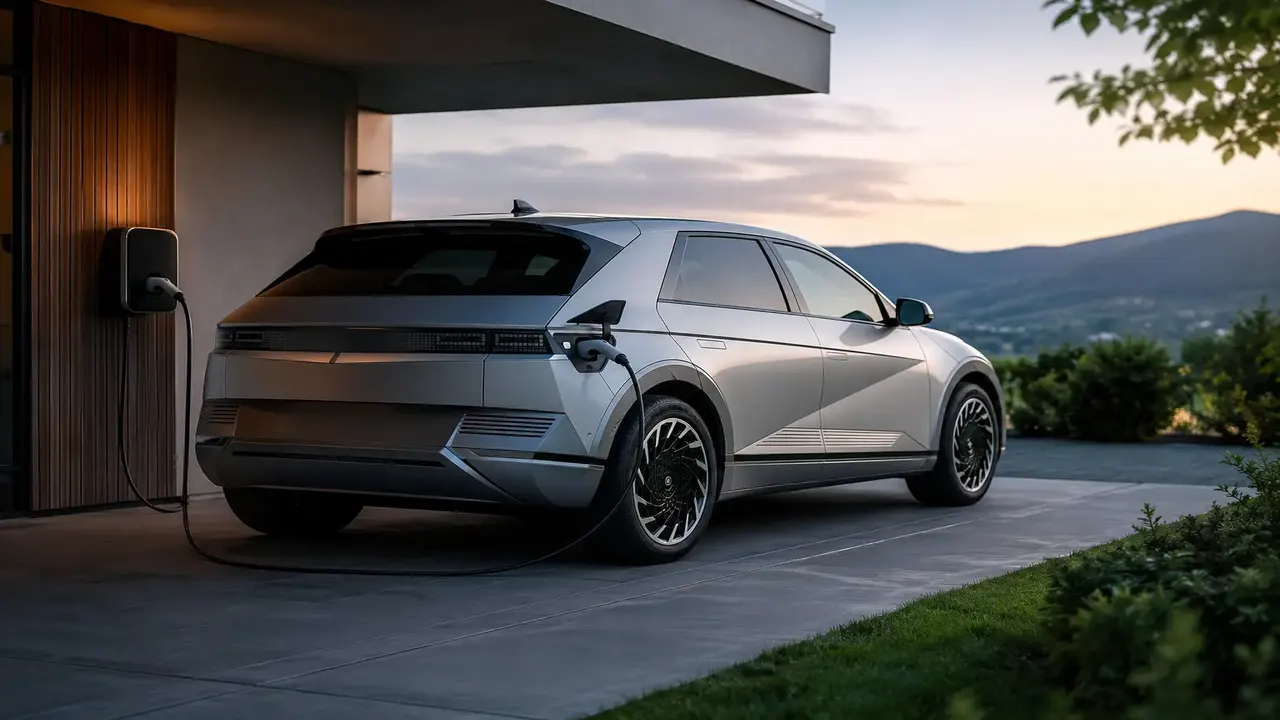
- A home charger unit and installation, in many personal EV lease packages
- Roadside assistance, including flatbed towing since EVs can't be push-started
- Replacement vehicle during extended service visits, in premium plans
Charging cost itself — whether at home or public stations — is almost always paid by the lessee separately, similar to how fuel isn't included in a petrol lease.
The subsidy trade-off
Central FAME-linked incentives and various state EV subsidies (registration tax waivers, road tax exemptions, purchase subsidies in states like Delhi, Maharashtra, Gujarat and Tamil Nadu) are generally tied to vehicle registration in the buyer's name. Since a leased EV is registered to the leasing company, that subsidy is usually captured by the leasing company, not passed fully to you — though a well-run leasing company should reflect at least some of that saving in a lower monthly rental. Ask explicitly how much of the applicable subsidy is factored into your quote.
EV lease vs EV purchase
| Leasing an EV | Buying an EV (loan or cash) | |
|---|---|---|
| Battery degradation risk | Leasing company's problem | Yours — factor into resale expectations |
| State/central subsidy | Usually captured by lessor, partly reflected in rental | Goes directly to you as registered owner |
| Resale/disposal hassle | None — hand back at lease-end | You manage resale in a still-thin used-EV market |
| Total cost over 6-8 years | Higher if you keep re-leasing | Lower if the EV holds up and you keep it long-term |
Ask upfront who pays for battery replacement if capacity falls below a warranty threshold during the lease — this should sit with the lessor, not you, but confirm it's explicit in the contract. Check that the home charger stays yours or is removed cleanly at lease-end; installation and de-installation costs can be a hidden line item.
Who EV leasing suits
It suits urban drivers who want to try an EV without committing to its resale uncertainty, employees with an employer EV-lease scheme (which usually carries the same tax perquisite benefit as a petrol/diesel employer lease), and households with reliable home or workplace charging so the lease's mileage assumptions hold. It's a weaker fit for buyers who specifically want to capture a state purchase subsidy, or for very high-mileage drivers who'll pay steep excess-mileage charges.
Frequently asked questions
Is leasing an EV cheaper than leasing a petrol car in India?
Do I get the EV subsidy if I lease instead of buy?
Who pays for EV battery replacement during a lease?
Can I install my own home charger for a leased EV?
What happens if my leased EV's range doesn't match my commute?
Sources & further reading
Figures, prices and policy details were current at the last-updated date above. Automotive pricing, incentives and regulations change frequently — verify time-sensitive details with the linked primary sources. Read our editorial policy and fact-checking standards.