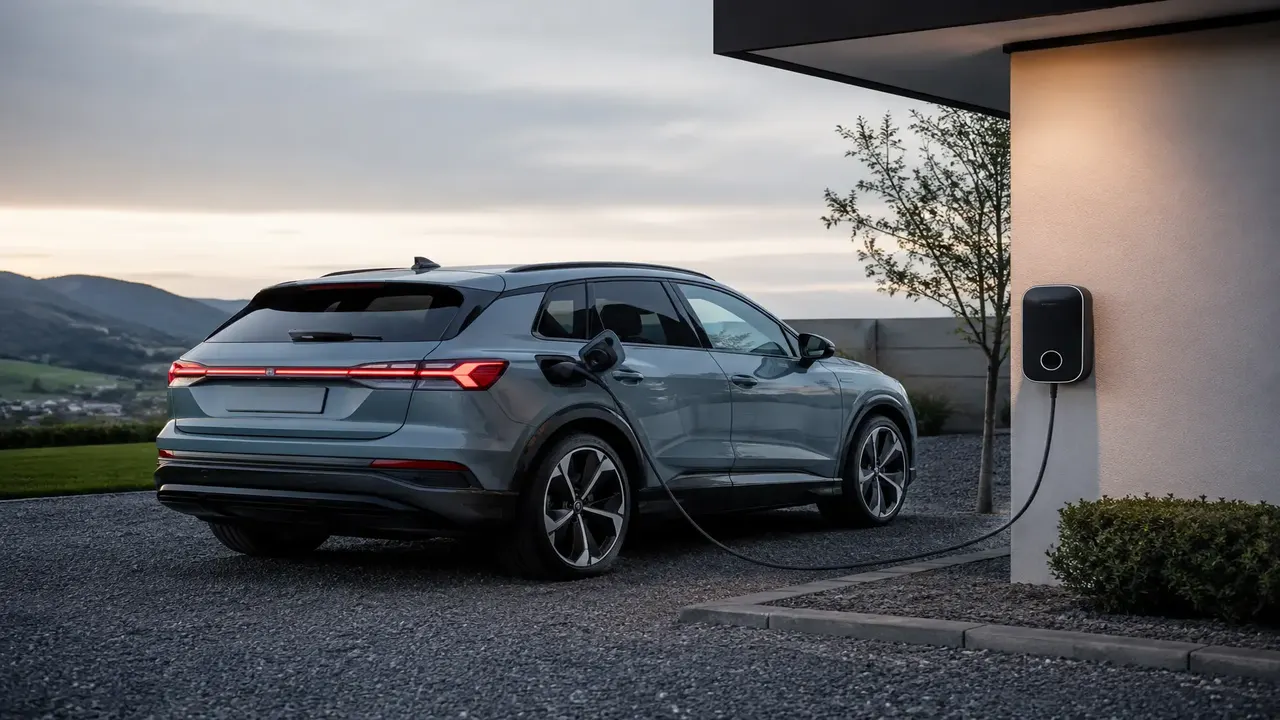
A 7kW home wallbox typically costs £800-£1,200 fully installed in the UK, and fully charges a typical 60kWh EV battery overnight in around 8-9 hours. Charging at home on a standard domestic tariff costs roughly £15-£20 for a full charge, dropping to a few pounds on a dedicated EV night tariff. Most homeowners no longer qualify for the old EVHS grant, but landlords and some flat owners can still access the EV chargepoint grant for rented and leasehold properties.
At a glance
| Item | Typical UK figure |
|---|---|
| 7kW wallbox + standard install | £800-£1,200 |
| Charge time, 7kW, ~60kWh battery | 8-9 hours (0-100%) |
| Cost per full charge, standard tariff | £15-£20 |
| Cost per full charge, EV night tariff | £3-£7 |
| Grant availability (2026) | Landlords/leaseholders only, via EV chargepoint grant |
What a home charger actually costs
Most UK homes install a 7kW smart wallbox, which suits typical single-phase household electrics and charges a family EV from empty overnight. Installed prices generally run £800-£1,200, more if your consumer unit needs upgrading, the cable run from the meter is long, or you want a tethered cable rather than a socket-only unit. Off-street parking (a driveway) is required for most home installs; on-street parking usually means relying on public or lamppost charging instead.
Running costs: home charging vs the pump
On a standard variable electricity tariff (around 25-28p/kWh in 2026), fully charging a 60kWh battery costs roughly £15-£20 — comparable to half a tank of petrol but covering a similar real-world range. Switching to an EV-specific time-of-use tariff, which offers several off-peak hours overnight at a fraction of the daytime rate, can cut that to £3-£7 per full charge. Most EV drivers who charge mainly at home report significantly lower per-mile running costs than petrol or diesel equivalents, though the gap has narrowed as electricity prices have risen.
Smart chargers and tariffs
- Smart wallboxes let you schedule charging for cheap overnight rate windows automatically.
- Some chargers integrate with home solar and battery storage systems to prioritise free solar power.
- Compare dedicated EV tariffs from your supplier — off-peak windows and rates vary significantly.
- Check whether your DNO (electricity network operator) requires notification for a 7kW+ install — most installers handle this as part of the job.
Grants and support in 2026
The general EV Homecharge Scheme (EVHS) grant for homeowners with off-street parking ended some years ago. As of 2026, government-backed grant support is targeted at landlords installing chargers for tenants, and leaseholders/flat owners in blocks with dedicated parking, via the EV chargepoint grant — typically covering up to 75% of installation costs up to a capped amount. Always check current eligibility and amounts on gov.uk before booking an installer, as scheme terms are reviewed periodically.
Choosing an installer
- Use an OZEV-approved (government-authorised) installer if you want any available grant to apply.
- Get at least two quotes — prices vary considerably for the same wallbox depending on cable run and any electrical upgrade needed.
- Check the charger is smart-enabled and compatible with your preferred app/tariff.
- Confirm warranty length (commonly 3 years) and who to call for a fault.
Cheap unmetered sockets or extension leads are not a safe substitute for a proper wallbox for regular charging — they aren't designed for the sustained current an EV draws and are a recognised fire-risk shortcut.
Frequently asked questions
How much does it cost to install an EV charger at home in the UK?
Is home EV charging cheaper than petrol?
Can I still get a government grant for a home charger?
How long does it take to fully charge an EV at home?
Do I need a driveway to install a home EV charger?
Sources & further reading
- GOV.UK – EV chargepoint grant for landlords
- Energy Saving Trust – electric vehicle charging advice
- Ofgem – electricity tariff information
Figures, prices and policy details were current at the last-updated date above. Automotive pricing, incentives and regulations change frequently — verify time-sensitive details with the linked primary sources. Read our editorial policy and fact-checking standards.