Cold weather, motorway speeds and full-time climate control can cut a UK EV's real-world range by 20-35% versus its WLTP figure. Smoother acceleration, pre-conditioning while plugged in, keeping speeds near 60-65mph on motorways and correct tyre pressures typically recover 10-15% of that lost range. None of this changes the battery's rated capacity — it changes how much of it you actually use.
At a glance
| Factor | Typical range impact |
|---|---|
| Sub-zero winter driving | -20% to -30% vs WLTP |
| Motorway driving at 70mph+ | -15% to -25% vs WLTP |
| Pre-conditioning while plugged in | Recovers several miles of cold-start drain |
| Under-inflated tyres (by 20%) | -2% to -4% efficiency loss |
| Eco/regen driving mode | +5% to +10% in stop-start traffic |
Why UK winters hit EV range hardest
British winters combine low temperatures, wet roads and short daylight hours with headlights and heating running constantly — the single biggest drain on any EV. Lithium-ion batteries also become chemically less efficient below about 5°C, so the same battery delivers fewer usable miles even before the cabin heater switches on.
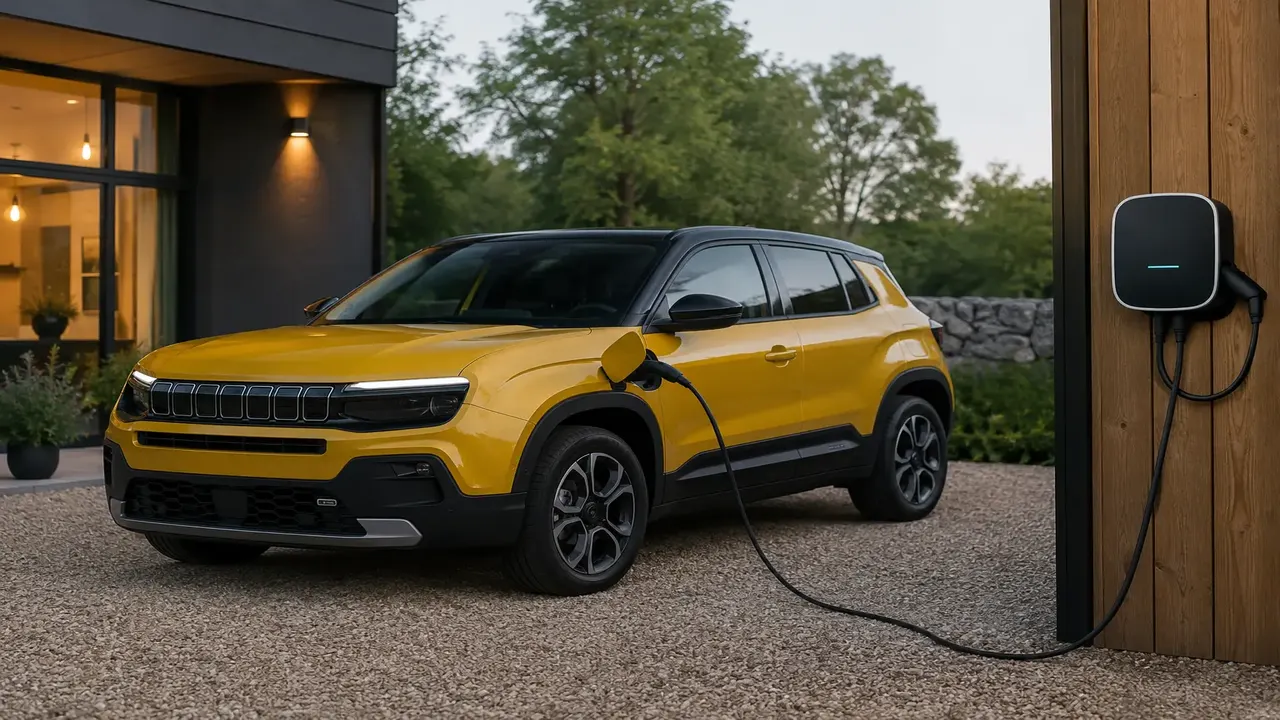
The fix isn't to avoid winter driving — it's to warm the car while it's still plugged in. Pre-conditioning (scheduling cabin heat and battery warming through the car's app or timer before you unplug) uses grid electricity rather than battery charge, so you set off with a warm cabin and a battery already at its efficient operating temperature.
Driving style and speed
- Motorway cruising at 70mph uses noticeably more energy per mile than 55-60mph — aerodynamic drag rises sharply with speed, and EVs have no gearbox to hide it.
- Smooth, anticipatory driving beats hard acceleration and late braking; most EVs recapture energy through regenerative braking, but only if you're not stamping on the brake pedal.
- Use the highest regen/one-pedal setting your car offers in town and on A-roads; save 'coast' mode for steady motorway cruising.
Tyres, weight and accessories
Under-inflated tyres increase rolling resistance and can knock several percent off efficiency — check pressures monthly against the door-sill placard, not the tyre's sidewall maximum. Roof boxes and bike racks create drag that disproportionately affects EVs on long motorway runs; remove them when not in use. Heated seats and heated steering wheels draw far less power than blasting the cabin air heater, so use them in place of (not alongside) full climate control where you can.
Charging habits that protect real-world range
- Charge to 80% for daily use and reserve 100% charges for long trips — most UK home wallboxes and EV apps let you set a charge limit.
- Avoid letting the battery sit near empty for long periods, especially in cold weather.
- Precondition the battery before a rapid-charging stop on longer journeys — many EVs do this automatically when a charger is set as the sat-nav destination, which shortens charging time considerably.
- Keep the car plugged in (even on a low-power granny charger) overnight in freezing weather rather than leaving it to cold-soak in a driveway.
Manufacturer WLTP range figures are a lab-test benchmark, not a promise. Treat any UK EV's real-world winter range as roughly 70-80% of its quoted WLTP figure until you've tracked your own car's behaviour over a full year.
Frequently asked questions
How much range do you really lose in winter with an EV in the UK?
Does using the heater a lot damage EV range permanently?
Is it better to charge to 100% every night?
Do heated seats save more range than the cabin heater?
Does motorway driving really use more energy than town driving in an EV?
Sources & further reading
- Department for Transport – Electric vehicle guidance
- Which? – Electric car range and battery advice
- RAC – EV driving and charging advice
Figures, prices and policy details were current at the last-updated date above. Automotive pricing, incentives and regulations change frequently — verify time-sensitive details with the linked primary sources. Read our editorial policy and fact-checking standards.