Public AC charging in India typically costs ₹10–₹18 per kWh, while DC fast charging costs ₹18–₹25+ per kWh depending on the network and state. A DC fast charger takes a typical EV from 20% to 80% in 30–60 minutes; a public AC point takes 4–10 hours. Coverage is strong in metro cities and improving fast on national highways, but still patchy in smaller towns.
At a glance
| Charger type | Power / typical cost |
|---|---|
| Public AC (Type 2) | 3.3–22 kW; ₹10–₹18/kWh |
| DC fast charging | 30–150 kW; ₹18–₹25+/kWh |
| Ultra-fast DC (highway) | 150 kW+; ₹20–₹28/kWh, fewer locations |
| Major networks | Tata Power EZ Charge, Statiq, ChargeZone, Jio-bp Pulse, Ather Grid, Kazam |
| Connector standard | CCS2 (DC), Type 2 (AC) — near-universal on Indian EVs since ~2022 |
How public charging works in India
Public chargers are owned by a mix of players: oil-marketing companies (Jio-bp Pulse, HPCL, IOCL), dedicated charge-point operators (Statiq, ChargeZone, Kazam), automakers' own networks (Tata Power for Tata EVs, Ather Grid for scooters and now cars), and mall, hotel or office car parks. You locate a charger through the operator's app or aggregators like PlugShare and Google Maps, scan a QR code or tap a card to start, and pay by UPI, wallet or card inside the app. Most networks require you to create an account and add a payment method before your first session.
AC versus DC — what to expect
- AC chargers (3.3–22 kW): found at malls, offices, apartment complexes and some hotels. Meant for parking-and-charging while you do something else for a few hours, not a quick top-up.
- DC fast chargers (30–150 kW): found at highway plazas, larger charging hubs and some fuel-station forecourts. This is what makes intercity EV travel realistic — expect 30–60 minutes for a meaningful top-up.
- Battery-swap points: mainly for two- and three-wheelers (Sun Mobility, Battery Smart) rather than passenger cars, though the model may expand over time.
What it costs
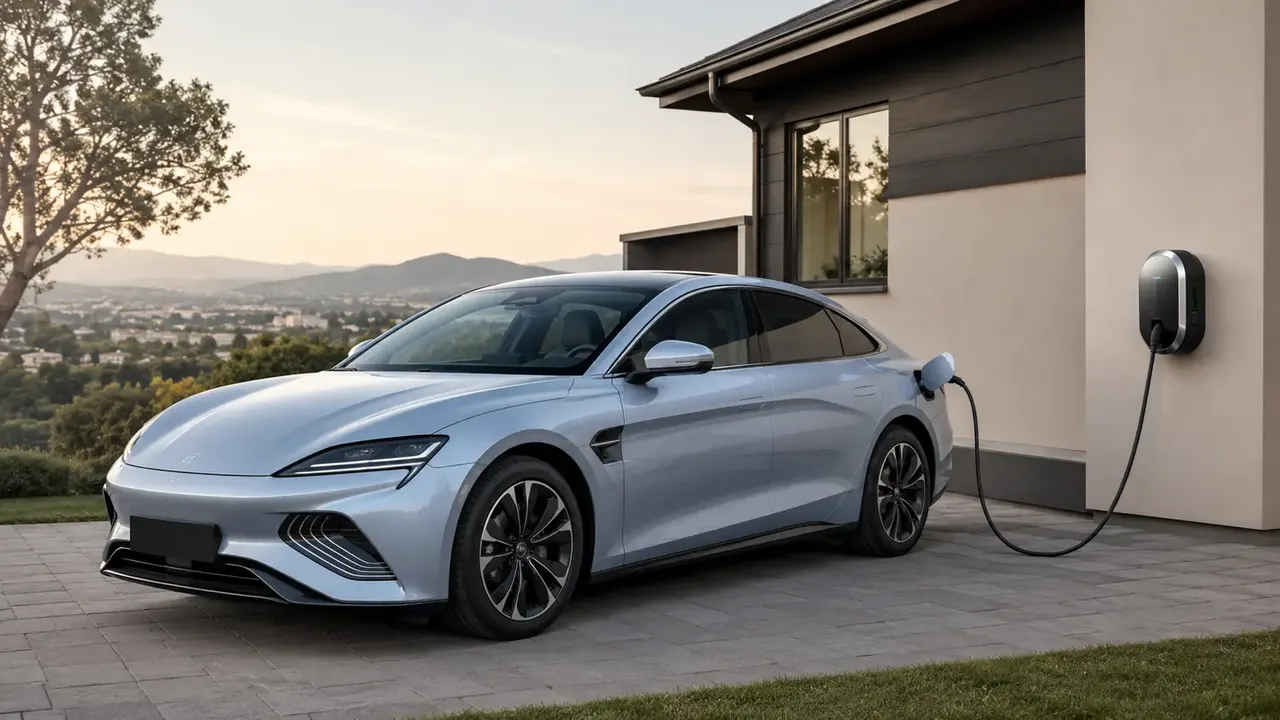
Pricing is set by each operator and varies by state electricity rules, so always check the app before you plug in. As a working range: AC charging runs ₹10–₹18 per kWh, and DC fast charging ₹18–₹25 per kWh or more at premium highway sites. For a 50 kWh battery, that's roughly ₹500–₹900 for AC and ₹900–₹1,250 for a DC fast top-up — still cheaper per km than petrol, but noticeably pricier than charging at home.
Highway charging for long trips
The national highway charging corridor has expanded quickly on routes like Delhi–Jaipur, Mumbai–Pune, Bengaluru–Chennai and the Golden Quadrilateral, driven partly by government support under schemes like PM E-DRIVE and state EV policies. That said, density is still well below petrol pump density, and rural stretches and hill routes can have long gaps between chargers. Before a long trip, plan your route using the network's app, check real-time charger status (chargers do go offline), and build in a buffer rather than relying on a single station.
Confirm connector type (CCS2 is now standard on almost all Indian EVs) and maximum charging power your car accepts. A 150 kW charger will not charge a 50 kW-capable car any faster than a 50 kW unit would — you pay premium pricing without a matching benefit.
Common problems and how to avoid them
- Non-functional chargers: a real and reported issue at some third-party locations. Check recent user reviews in the app before detouring.
- App fragmentation: different operators need different apps and wallets; keep 2–3 major network apps installed before a road trip.
- Queueing at popular hubs: weekend evenings near cities see queues at fast chargers. Arriving with 20–30% charge left, rather than near-empty, gives you flexibility to wait or move on.
- Idle/parking fees: several networks now charge a per-minute penalty if you leave the car plugged in after it finishes charging — move your car promptly at busy sites.
Who public charging works well for
If you have home or workplace charging, public charging becomes an occasional top-up for trips rather than your main supply — this is the cheapest and most convenient pattern. If you don't have access to home charging (common for apartment dwellers without dedicated parking), you'll rely on public charging more heavily, and both cost and convenience become bigger factors in whether an EV suits your daily routine.
Frequently asked questions
How much does it cost to charge an EV at a public charging station in India?
Which is the biggest EV charging network in India?
Do all EVs in India use the same charging connector?
How long does it take to charge an EV at a fast charging station?
Is public EV charging available on Indian highways?
Sources & further reading
- Ministry of Heavy Industries — PM E-DRIVE Scheme
- Ministry of Power — EV charging infrastructure guidelines
- Bureau of Indian Standards — EV charging connector standards
Figures, prices and policy details were current at the last-updated date above. Automotive pricing, incentives and regulations change frequently — verify time-sensitive details with the linked primary sources. Read our editorial policy and fact-checking standards.