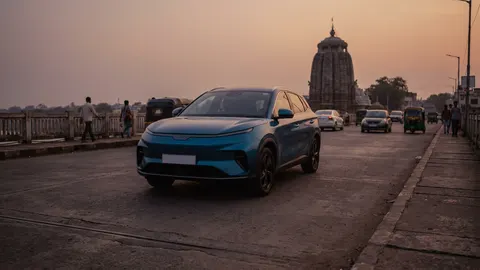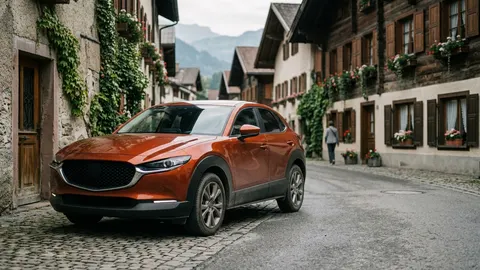
> The finding: Winter range loss is real, substantial and highly variable between cars — and the single biggest differentiator isn't battery size. It's whether the car has a heat pump. Cars that lose 15% and cars that lose 35% often differ by that one component. Here's the seasonal test protocol, and what actually drives the gap. > > Complete both seasonal measured-result blocks with your own test data before publishing.
Why the same car twice is the only honest test
Most range testing happens once, in whatever conditions prevailed that week. That produces a number, but it hides the variable that matters most to anyone living somewhere with a genuine winter.
Testing the same cars on the same route six months apart isolates temperature as cleanly as real-world testing allows — same vehicles, same tyres, same driver, same road, different season. It answers the question owners actually ask: how much range will I lose in January?
What winter actually costs, and why
Cold weather attacks EV range through several distinct mechanisms, and separating them explains why some cars suffer far more than others:
1. Cabin heating — usually the largest single factor. This is where the heat-pump question is decided. A resistive heater converts electricity to heat at roughly 1:1 — every kilowatt of warmth costs a kilowatt of range. A heat pump moves heat rather than generating it, typically delivering 2–3 kW of warmth per kilowatt consumed. On a cold day, that difference alone can account for 10–15 percentage points of range loss.
2. Reduced battery efficiency. Lithium-ion chemistry is genuinely less efficient when cold — internal resistance rises, and available capacity drops until the pack warms.
3. Battery thermal management. In severe cold, the car spends energy heating its own battery to keep it in a safe operating window.
4. Increased rolling resistance. Cold tyres, cold lubricants and denser air all add drag. Winter tyres, where fitted, typically cost a few percent more.
5. Preconditioning while driving. Defrosting, heated seats, heated steering wheel and demisting all draw power.
Our seasonal test protocol
| Element | Standard | |---|---| | Same vehicles | Identical cars, identical tyres, ideally the same individual examples | | Same route | Fixed mixed route plus constant-70-mph motorway segment | | Summer run | Ambient 20–25°C | | Winter run | Ambient 0–5°C (record actual) | | Climate control | 21°C in both seasons — not switched off | | Preconditioning | Recorded and standardised (plugged-in precondition before departure) | | Recorded | Ambient temperature, mi/kWh, total range, energy used for climate vs propulsion where the car reports it | | Outputs | Absolute range both seasons · percentage loss · heat-pump status |
The climate-control standard matters enormously. A winter range test conducted with the heater off produces a figure no human will replicate. We test at a temperature people actually sit in.
Our test conditions: [to be completed for both seasons — dates, ambient temperatures, wind, precipitation, tyres fitted, preconditioning status]
Measured results: [to be completed — summer range, winter range, percentage loss, mi/kWh both seasons, per vehicle]
What we expect the data to show
Typical winter loss lands in a 15–35% band, and where a given car falls within it is largely predictable:
Best performers (roughly 15–20% loss):
- Cars with efficient heat pumps
- Good battery thermal management and insulation
- Effective, reliable preconditioning while plugged in
- Generally efficient aerodynamics and low consumption baseline
Worst performers (roughly 30–35%+ loss):
- Resistive heating only — the single biggest predictor
- Poor pack insulation or weak thermal management
- No or ineffective preconditioning
- Higher baseline consumption, which compounds
The heat pump is the differentiator worth shopping for. If you live somewhere with genuine winter and you're comparing two otherwise similar EVs, the one with a heat pump will very likely deliver materially better cold-weather range. It's a specification line most buyers skip and one of the few that reliably predicts real-world satisfaction.
The mitigations that genuinely work
1. Precondition while plugged in. Warming the cabin and battery using grid power before you unplug is the single most effective action available. It costs you nothing from the battery and can substantially reduce the winter penalty.
2. Use heated seats and steering wheel instead of cabin air. Heating a body directly is dramatically more efficient than heating the entire cabin volume. Seats and wheel draw a fraction of what the climate system does.
3. Park indoors where possible. A garage keeps the pack warmer overnight, meaning less energy spent warming it in the morning.
4. Accept a slightly cooler cabin. Every degree costs range. This is a comfort trade-off, not a technical one, but it's real.
5. Use the car's navigation to precondition before fast charging. As covered in our charging-curve test, cold packs charge slowly — and winter is exactly when this bites hardest.
The honest framing
Winter range loss is not a defect. It's physics, and combustion cars suffer too — they simply hide it, because their inefficiency dumps waste heat that warms the cabin for free, and because a five-minute fuel stop makes reduced economy far less visible.
But it's a genuine planning consideration, and the honest advice for anyone in a cold climate is to buy on winter range, not summer range. Take the manufacturer figure, apply a 25–30% deduction, and check that number still covers your regular journeys comfortably. If it does, you'll be content year-round. If it only works in July, you'll spend every January frustrated.
The bottom line
Testing the same cars six months apart isolates the variable that most affects real EV ownership in cold climates, and the answer is that winter typically costs 15–35% of range — with a heat pump being the single strongest predictor of where a given car lands.
That makes the heat pump one of the most consequential specification lines an EV buyer can check, and one of the least discussed. Combine it with the mitigations that genuinely work — preconditioning while plugged in, using heated seats over cabin air, parking indoors — and the winter penalty becomes manageable rather than alarming.
Buy on winter range. Plan on manufacturer figures minus 25–30%. And check for that heat pump before you sign anything.
- Testing identical cars on the same route six months apart isolates temperature as cleanly as real-world testing allows
- Typical winter range loss is 15–35%, and the heat pump is the single strongest predictor of where a car lands in that band
- Cabin heating is usually the largest factor: resistive heating costs ~1:1, while a heat pump delivers 2–3 kW of warmth per kW used
- The most effective mitigation is preconditioning while still plugged in — it costs nothing from the battery
- Buy on winter range, not summer: take the official figure, subtract 25–30%, and check it still covers your regular journeys
Key takeaways
- Testing identical cars on the same route six months apart isolates temperature as cleanly as real-world testing allows
- Typical winter range loss is 15–35%, and the heat pump is the single strongest predictor of where a car lands in that band
- Cabin heating is usually the largest factor: resistive heating costs ~1:1, while a heat pump delivers 2–3 kW of warmth per kW used
- The most effective mitigation is preconditioning while still plugged in — it costs nothing from the battery
- Buy on winter range, not summer: take the official figure, subtract 25–30%, and check it still covers your regular journeys
Sources & further reading
- EV thermal management principles
- heat pump efficiency data
- published seasonal range testing. *Complete both seasonal measured blocks before publishing. Verified July 2026.*
Figures, prices and policy details were current at the last-updated date above. Automotive pricing, incentives and regulations change frequently — verify time-sensitive details with the linked primary sources. Read our editorial policy and fact-checking standards.