Cold weather commonly cuts real-world EV range by 20-40%, mostly from cabin heating demand and reduced battery efficiency, with the biggest hit at highway speeds in freezing temperatures. Precondition the cabin and battery while still plugged in, favor seat and steering-wheel heaters over blowing cabin heat, keep tires at the correct cold-weather pressure, and expect slower DC fast-charging until the battery warms up on the road.
At a glance
| Habit | Winter range benefit |
|---|---|
| Precondition cabin/battery while plugged in | Uses grid power instead of battery power to warm up |
| Use seat/wheel heaters over cabin heat | Heats the person, not the whole cabin — uses far less energy |
| Keep tires at correct pressure | Cold air drops tire pressure; underinflation costs range |
| Fast-charge after a warm-up drive when possible | Warmer battery charges faster than a cold-soaked one |
Why cold weather cuts EV range
Two separate effects stack up in winter. First, the battery itself is less efficient when cold — internal resistance rises, and less of the stored energy converts usefully to motion. Second, and often bigger, is cabin heating: unlike a gas car, which has abundant waste engine heat to warm the cabin for free, an EV has to spend battery energy to generate heat, whether through a resistive heater or a heat pump. Combined, real-world testing and manufacturer estimates commonly cite 20-40% range loss in freezing conditions with the heater running, worse in extreme cold or at sustained highway speeds.
Habits that meaningfully help
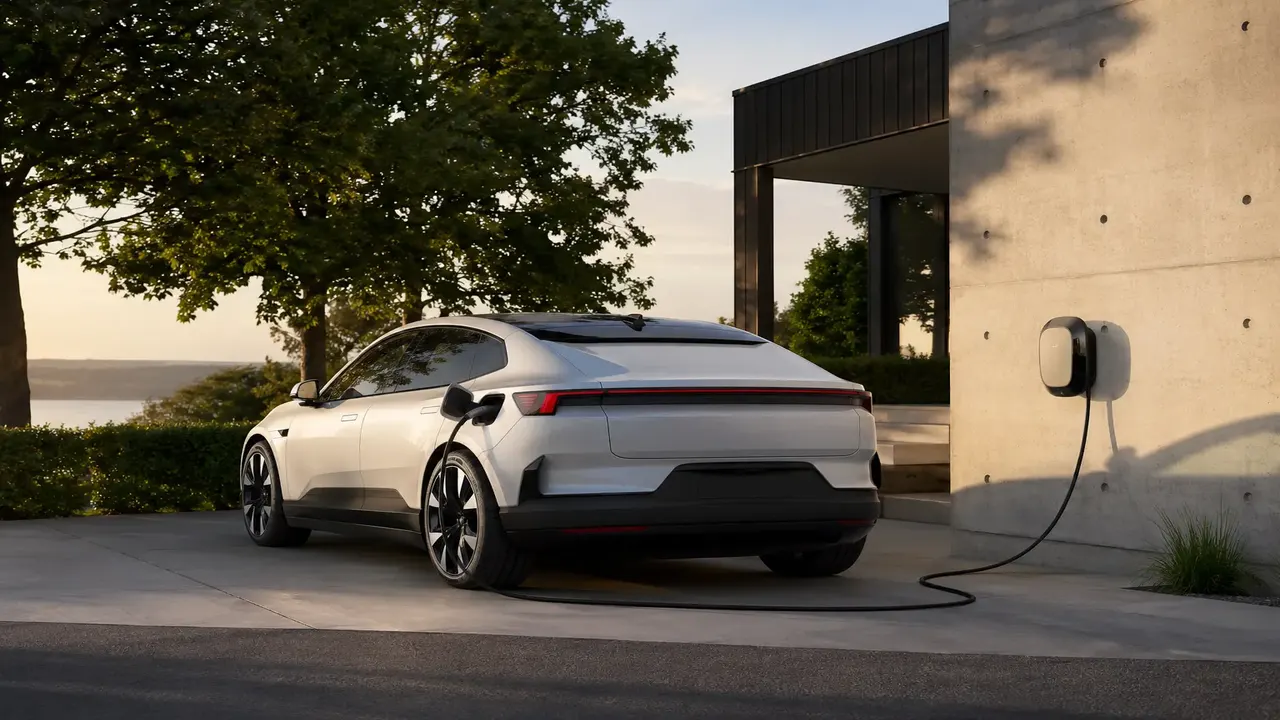
- Precondition before you leave, while still plugged in. Warming the cabin and battery using grid power rather than the battery itself preserves range and, as a bonus, gets you into a warm car and a battery that's ready for full power.
- Use seat and steering wheel heaters as your primary comfort source when possible — they warm the occupant directly and use far less energy than heating the whole cabin's air.
- Check tire pressure regularly — pressure drops roughly 1 psi for every 10°F temperature drop, and underinflated tires increase rolling resistance on top of the wear concerns.
- Keep some charge buffer — cold-weather range estimates are less predictable, so treat the displayed range as an estimate to plan around rather than a hard number, especially on longer trips.
- Try to warm the battery before fast charging — a short highway stretch before a DC fast-charging stop, or the car's own preconditioning feature, can noticeably speed up a cold-weather charging session.
Charging in the cold
DC fast charging is markedly slower on a cold-soaked battery because charging too fast while cold risks internal damage, so the battery management system intentionally limits charge rate until the pack warms. This is exactly what preconditioning is designed to fix — set the fast charger as your navigation destination if your car supports automatic preconditioning, or manually enable it if that's how your model works.
Parking in a garage, even an unheated one, keeps the battery meaningfully warmer than an exposed driveway overnight, which translates into less range loss and faster charging the next morning.
Other winter considerations
- Winter tires improve safety in snow/ice regardless of powertrain, and the added weight of an EV can make grip differences more noticeable — consider them for regions with real winters.
- Battery preheating before a drive can be scheduled around your typical departure time via the manufacturer's app.
- Don't be alarmed by a lower displayed range estimate in cold weather — it usually reflects the current conditions more than a fault with the car.
Frequently asked questions
How much range do EVs lose in winter?
Does preconditioning really help in winter?
Why does DC fast charging feel so slow in cold weather?
Should I use seat heaters instead of the cabin heater?
Do winter tires make sense for an EV?
Sources & further reading
- U.S. Department of Energy — Alternative Fuels Data Center, EV range in cold weather
- AAA — electric vehicle range testing in varying temperatures
Figures, prices and policy details were current at the last-updated date above. Automotive pricing, incentives and regulations change frequently — verify time-sensitive details with the linked primary sources. Read our editorial policy and fact-checking standards.